The Cost of Living in South Korea
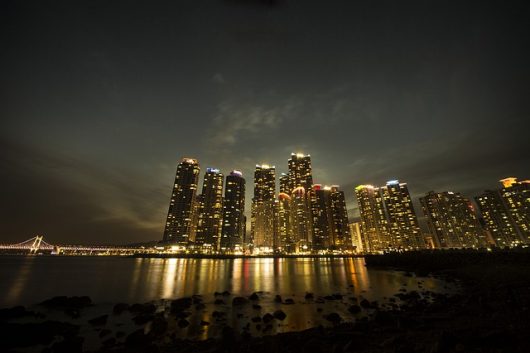 South Korea is an East Asian nation often overshadowed by its politically aggressive neighbor, North Korea. However, South Korea deserves recognition itself for its green, hilly countryside, old Buddhist temples, coastal fishing villages and buzzing cities. With its capital, Seoul, the sixth most expensive city in the world, South Korea as a whole has a 5.77 percent higher cost of living than the United States (when rent is not included).
Important factors for estimating the cost of living include housing, gas prices, unemployment rate and the average cost of necessary items. Moon Jae-in won the early presidential election on May 9, 2017, so his administration may make changes that impact these factors.
Housing
Low housing prices and rent help bring down the average cost of living in South Korea, especially in major cities like Seoul. Currently, rent in South Korea is 40.27 percent lower than rent in the United States on average for all cities. For example, rent in San Francisco, the most expensive city in the United States, averages 239 percent more expensive than rent in Seoul, the most expensive city in South Korea.
Gas Prices
Higher gas prices raise the cost of living in South Korea. The average price of a liter of gas, which equates to about one-fourth of a gallon, is $1.28 in Seoul. The average price for a gallon of gas in South Korea at the time of this writing is $4.97, while it is only $2.31 in the United States. The expensive gas prices reflect the high tax on fuels that South Korea imposes.
Unemployment Rate
Another factor that impacts the cost of living in South Korea is the rate of unemployment. Low unemployment can actually increase the cost of living in a city or country. South Korea’s unemployment rate declined to 3.6 percent in July 2017. Moon Jae-in’s administration plans to focus on job creation.
Average Cost of Necessary Items
Finally, South Korea’s higher average cost of necessary items, such as groceries, increases the cost of living in South Korea. Grocery prices in South Korea are currently 24.66 percent higher than in the United States. For example, an average loaf of bread in Seoul costs $14.82.
This combination of factors makes the cost of living in South Korea moderate. While overall it is costlier than the United States, the two countries differ on certain aspects of measurement.
– Lauren Mcbride
Photo: Pixabay
