10 Facts About Sierra Leone Refugees
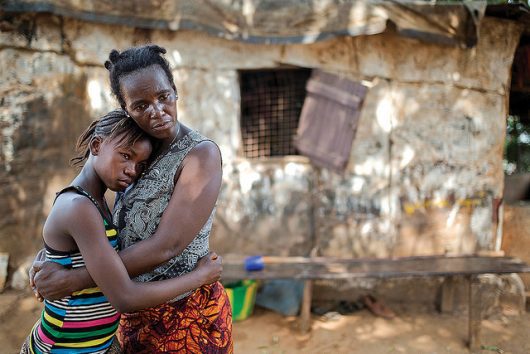
The U.N. projects that there are more displaced people in the world now than at any other time since World War II. Most of these refugees come from Africa, which has put large demands on European and African countries. Future refugee projections continue to rise due to ongoing conflicts and the effects of climate change. Case studies in Sierra Leone show us the importance of rehabilitating governmental institutions and economic markets in conflict-prone regions.
10 Facts About Sierra Leone Refugees.
- Thousands of natives fled their country during a bloody civil war that lasted from 1991 to 2002.
- The Revolutionary United Front (RUF), with support from the National Patriotic Front of Liberia (NPFL), attempted to overthrow the president at the time, Joseph Momoh.
- This 11-year civil war resulted in 50,000 deaths and the internal displacement of two million people. Among the displaced, 490,000 sought refuge in the neighboring countries of Liberia and Guinea.
- In 2008, the U.N. High Commission for Refugees conducted a campaign in Guinea. The project aimed to inform Sierra Leone refugees of the upcoming withdrawal of their refugee status.
- The UNHCR convened in 2008, and found that conditions in Sierra Leone had returned to normal. This meant that Sierra Leoneans who fled their country during the civil war in the early 1990s would no longer be considered refugees because the root causes of the Sierra Leone refugee problem no longer existed.
- This decision was reached after an analysis of the fundamental and positive changes that have taken place in Sierra Leone. A peace agreement was struck between the Joseph Momoh government and the RUF in January of 2002, marking the beginning of these changes.
- Under a previous UNHCR initiative, a voluntary repatriation operation that took place from September 2000 to July 2004, more than 179,000 Sierra Leone refugees were able to return home.
- There are 13,500 refugees from Sierra Leone who continue to live abroad, 1,825 of whom are living in Guinea, and 2,368 in Liberia.
- The UNHCR voluntary repatriation operation for refugees from Sierra Leone ended in July 2004. This program offered financial assistance to refugees to assist in transit and resettlement in Sierra Leone.
- The U.N. Development Program (UNDP) continued to work with the local government to ensure that returning refugees were integrating effectively, without stressing markets. Additionally, UNDP continued to meet the needs and priorities of the government through aligning long-term development programs and non-governmental relief actors facilitating recovery.
Sierra Leone ended its 11-year long civil war in 2002 and has since re-established democratic institutions. This restructuring process strengthened Sierra Leone’s government and was essential to the reception of 60,000 Liberian refugees in 2005. Sierra Leone is a shining example for current conflict-rode regions as they look towards the future.
– Josh Ward
Photo: Flickr
