15 Facts About the Rwanda Genocide: 100 Days & 800,000 Murdered
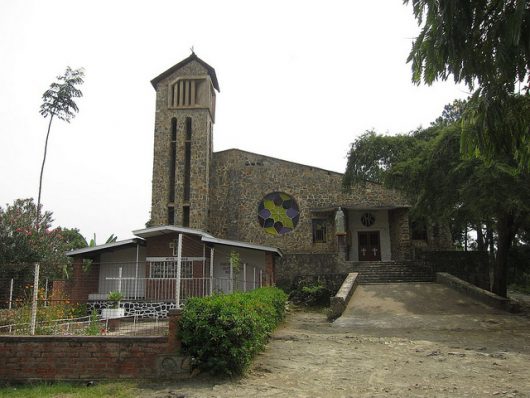
Rwanda is located in Africa and borders Burundi, Democratic Republic of the Congo (DR Congo), Tanzania and Uganda. Approximately 800,000 people were killed within the 100 days of the Rwanda genocide; the following facts about the Rwanda genocide explain the genocide’s precursors, methodology and consequences.
15 Facts on How 800,000 People Were Killed Within 100 Days
- Tensions between the Tutsi minority and Hutu majority were amplified when civil war broke out in Rwanda in 1900. Rwandan outcasts created the Rwandan Patriotic Front (RPF) and attacked Rwanda from their base in Uganda.
- The RPF consisted primarily of Tutsis who blamed the government for ignoring Tutsi refugees. All Tutsis were seen as RPF accomplices, and Hutus who belonged to opposition parties were seen as traitors.
- Although a peace agreement was reached between the opposing forces in 1992, political debate ensued in attempt to reconcile the Tutsis and Hutus. In 1994, Rwandan President Juvenal Habyarimana was killed when his place was shot down outside of the capital, Kigali.
- Hutu extremists believed the RPF to be responsible for the president’s murder and launched a genocide against them, whereas the RPF believed Hutus shot down the plane as an excuse for the genocide.
- President Habyarimana’s death sparked a violent campaign against Tutsi and moderate Hutu civilians. Hutu rebels overwhelmed Kigali, eliminated all of Rwanda’s moderate leadership, and killed Tutsis and anyone suspected of having ties to a Tutsi.
- Government radio stations asked Rwandans to kill their neighbors and provided names, addresses and license plates. The radio was used to disclose locations of Tutsis and justify the genocide. Broadcasters used dehumanizing language to anger listeners and incite action.
- Once Hutu extremists encountered resistance from the RPF, they launched an extermination campaign to murder all Tutsis, thus eliminating their opposition.
- As many as 800,000 people were murdered by the Hutus from April to June 1994.
- Machetes were often used to kill Tutsis, as many Rwandans kept them around the house.
- Systematic rape was used in addition to the brutal mass killings. It is estimated that between 250,000 and 500,000 women were raped and killed during the Rwanda genocide; thousands of women were kept as sex slaves.
- At the end of 100 days, the RPF had made advances on the battlefield and in negotiations led by Tanzania. The RPF controlled most of the country by early July.
- The RPF victory created approximately 2 million more refugees, with over 100,000 Hutus fleeing in fear of reprisal killings. The aftermath of the Rwanda genocide intensified what was already a full-blown humanitarian crisis.
- The Rwanda genocide resulted in two decades of unrest in the DR Congo, where over 5 million people have died. Rwanda’s government, controlled by the RPF, has invaded the DR Congo twice because Hutu militias are believed to operate there.
- RPF’s leader and Rwanda’s president, Paul Kagame, has overseen rapid economic growth in Rwanda and tried to turn the country into a technological hub. Critics say Kagame refuses to tolerate dissent, which resulted in the trial of nearly 2 million people for roles in the genocide.
- It is illegal to discuss ethnicity in Rwanda. The government says such a regulation is in place to prevent further bloodshed, but some believe the law will only cause tensions to build and eventually boil over.
Future Prevention
These facts about the Rwanda genocide elaborate on the genocide’s background and future implications in order to educate the public and prevent other tragedies.
– Carolyn Gibson
Photo: Flickr
