Methods for Ending Poverty


(Photo: USAID)

Simple Strategies


Install a Well


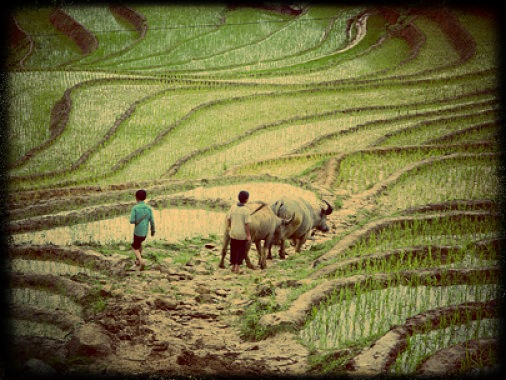
Teach Poor Farmers How to Grow More Food
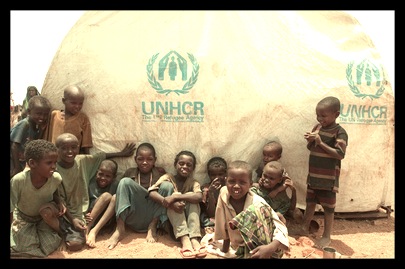

Provide Shelter

Build Schools

Provide Vaccines Against Diseases

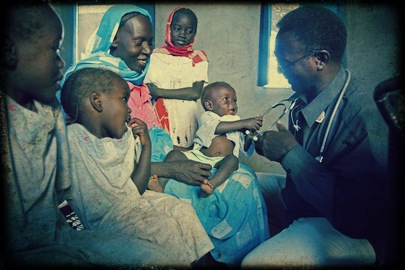
Build Small Medical Clinics


(Photos: UN)

strategies_for_helping_poor

One Village at a Time


Below are strategies being used by the Millennium Villages Project to tackle poverty one village at a time. The Millennium Villages Project has some of the top poverty-reduction experts in the world researching and implementing methods for reducing poverty.

1. Making soil healthy and highly productive: Replenishing soil health allows crop yields to be doubled or tripled.  Soil health includes replenishment of nutrients with nitrogen-fixing legumes, organic materials, and fertilizers, combined with soil conservation techniques.

2. Water harvesting techniques: Provide water for small scale irrigation. Gravity drip irrigation systems will be demonstrated for vegetable and tree crops.

3. Access to improved seeds: Farmers will also be provided with access to the correct information as to the appropriate crops and their management for each season/soil/agricultural system.

4. Agricultural extension services: Extension agents provided through national programs will receive extensive training to assure they have up to date information on crop, soil, and water management, livestock, and agroforestry. They will train community-based farmer groups and together will establish training and demonstration sites and field days.

5. Feeding and supplementation programs for children less than two years old and pregnant and lactating mothers: The program will provide micronutrient supplementation at the least and target women of childbearing age, including non-pregnant women and adolescents. This service can be done at the community center or in conjunction with the school feeding program.

6. School meals with locally produced and nutritionally balanced foods: Schools will provide safe, nutritious and quality meals for all children. This will require some type of contracting/marketing with local farmers to provide specified amounts and types of foods (cereals, legumes, vegetables, milk, meats).

7. Local grain storage facilities: Help farmers and communities store excess food that can be used for school lunch programs, later be sold at better prices and reduce post harvest losses. The operation and management will be established through the community committees.

8. Farmer organizations: Farmer organizations will be established to develop organized systems for storing products and selling them to more distant markets.

crop_white_background_borgen


© Copyright - The Borgen Project