How Women’s Land Rights in Côte d’Ivoire Strengthen Economic Security
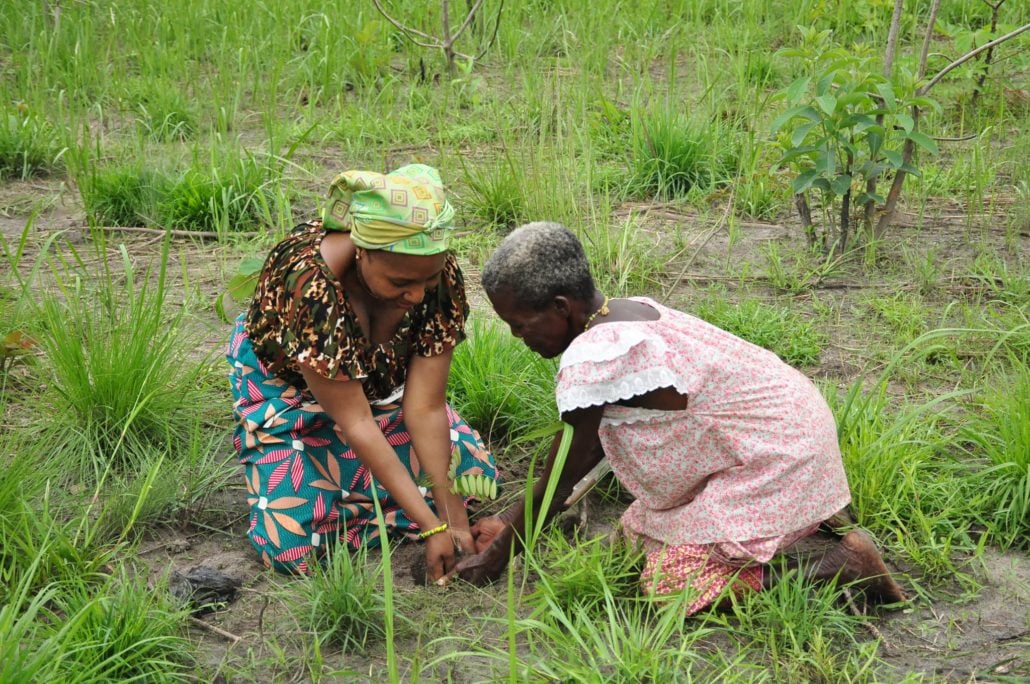
Land ownership can provide an important source of income and economic security for women in rural Côte d’Ivoire, where agriculture supports many livelihoods. However, women have historically faced barriers to owning land independently, despite having equal legal rights to own and inherit property. Recent land registration programs are beginning to address this gap. Between 2018 and 2024, the Land Policy Improvement and Implementation Project (PAMOFOR) helped deliver more than 51,000 land certificates, with 21% of those certificates going to female landowners. Strengthening women’s land rights in Côte d’Ivoire can therefore provide greater economic security while addressing inequalities that contribute to rural poverty.
Women Still Face a Large Land Ownership Gap
Despite having legal rights to own land, women in Côte d’Ivoire remain less likely than men to own agricultural land. OECD data from its 2022 Côte d’Ivoire SIGI study show that around 5% of women own agricultural land compared with 25% of men. This gap is particularly important because agriculture provides livelihoods for many women in rural communities, yet women continue to face difficulties accessing land and other economic resources. This can restrict women’s control over an important source of income. Improving women’s land rights in Côte d’Ivoire can help narrow this gap and give women greater control over land and the economic opportunities that come with it.
Customary Practices Can Limit Women’s Land Rights
Although Ivorian law gives women rights to own and inherit land, customary practices can make exercising those rights more difficult. OECD research shows that customary inheritance practices continue to create barriers to women’s land ownership, despite reforms intended to strengthen equal property rights. Inheritance is particularly important because it is a major way people acquire land in Côte d’Ivoire. OECD data show that 50% of female landowners obtained their land through inheritance, compared with 42% of male landowners. As inheritance is an important route to land ownership, discriminatory inheritance practices can have a significant effect on whether women gain control over land. Strengthening awareness of legal rights and recognizing women’s ownership can therefore help close the gap between rights provided by law and women’s experiences in practice.
Land Registration Is Strengthening Land Security
Côte d’Ivoire has begun expanding formal land registration to give rural landholders greater security. The PAMOFOR project, which ran from 2018 to 2024, helped the government deliver more than 51,000 land certificates, with 21% going to female landowners. The World Bank also found that the project reduced women’s risk of losing their land within five years by 55 percentage points. Building on this work, the government launched the Rural Land Tenure Management Strengthening Program (PRESFOR), which is expanding land registration across 16 of Côte d’Ivoire’s 31 regions. By increasing formal recognition of women’s ownership, these programs can give women greater security over land that supports their livelihoods.
Secure Land Rights Can Support Women’s Economic Security
Secure land rights can help women protect an important economic asset, particularly in rural communities where agriculture supports many livelihoods. FAO identifies secure land tenure as important for agricultural development and investment, while women in Côte d’Ivoire continue to face barriers to accessing land. Greater recognition of women’s ownership can therefore support poverty reduction by reducing the risk of losing land on which their livelihoods depend.
Women Have Been Underrepresented in Land Governance
Women’s land rights in Côte d’Ivoire are also affected by who participates in local decisions about land. Historical World Bank data from 2014 found that nearly 40% of Village Land Tenure Committees had no female members, while a further 55% had only one or two women among an average of 13 committee members. These committees play an important role in identifying customary land rights within villages, meaning limited female representation can reduce women’s influence over decisions that affect land ownership. PAMOFOR sought to address this by encouraging women to participate in village land committees and by providing gender-sensitive information about the registration process. Increasing women’s involvement in local land governance can help ensure that their legal rights are considered when communities identify and register customary land.
Legal Rights Do Not Always Translate Into Ownership
Although Côte d’Ivoire has strengthened legal protections for women’s property rights, access to land remains unequal in practice. While women received 21% of the land certificates delivered through the PAMOFOR project, this figure refers specifically to certificates issued under that program. More broadly, the African Development Bank reported in 2026 that women held only around 12% of registered land certificates in Côte d’Ivoire. The bank also highlighted the importance of improving women’s awareness of their rights and access to legal institutions, particularly in rural communities. Although the figures measure different things, both show that women still face inequalities in registered land ownership.
Looking Ahead
Côte d’Ivoire has made progress in formally recognizing rural land rights, but ensuring that women benefit fully from these reforms will require continued attention. PRESFOR is expected to expand land administration across the country and includes measures intended to strengthen women’s land rights. By 2029, the program aims to register 270,000 women with customary ownership rights and another 75,000 women with land-use rights. Continued efforts to involve women in registration, improve awareness of their legal rights and increase their participation in local land governance could help address barriers that still limit women’s ownership. As Côte d’Ivoire expands its rural land reforms, ensuring women can obtain and retain secure rights to land could strengthen their economic independence and make rural development more inclusive.
– Aniya Akram
Aniya is based in Bradford, United Kingdom and focuses on Politics for The Borgen Project.
Photo: Flickr
