• Link to X
  • Link to Facebook
  • Link to Instagram
  • Link to TikTok
  • Link to Youtube
  • About
    • About Us
      • President
      • Board of Directors
      • Board of Advisors
      • Financials
      • Our Methodology
      • Success Tracker
      • Contact
  • Act Now
    • 30 Ways to Help
      • Email Congress
      • Call Congress
      • Volunteer
      • Courses & Certificates
      • Be a Donor
    • Internships
      • In-Office Internships
      • Remote Internships
    • Legislation
      • Politics 101
  • The Blog
  • The Podcast
  • Magazine
  • Donate
  • Click to open the search input field Click to open the search input field Search
  • Menu Menu
Blog - Latest News
Global Poverty

What Is a Unilateral Trade Agreement?
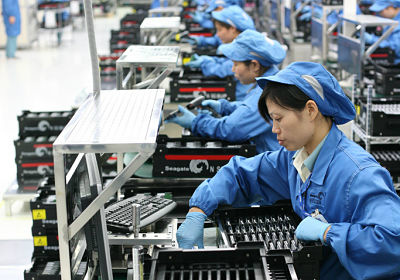
Unilateral Trade Agreement
What is a unilateral trade agreement? It is a treaty that benefits only one state, imposed on one nation by another, that has the potential to aid developing nations’ economies.

Through the Trade Act of 1974, the United States established the Generalized System of Preferences (GSP), which instituted unilateral trade policies that benefit the world’s poorest nations. The GSP gives developing nations the opportunity to grow their economies through trade and ultimately lift themselves out of poverty.

The GSP eliminates duties on over 5,000 import products from more than 120 designated beneficiary states and territories. Out of the 122 beneficiary developing countries (BDCs), 43 are categorized as least-developed beneficiary developing countries (LDBDCs). LDBDCs reserve 1,500 of the import products in the program that receive duty-free status. These LDBDCs include Yemen, Ethiopia, Haiti, Afghanistan and Cambodia.

The GSP helps developing nations by lowering the cost of their products in the U.S., which in turn stimulates demand and helps the BDC’s economy grow. Furthermore, the GSP not only helps the U.S. accomplish its foreign policy goals but also benefits American consumers. The GSP helps keep prices low for Americans and is integral to the success of small business owners who rely on savings from duty-free products to stay competitive.

The value of imports that entered the U.S. duty-free under the GSP in 2015 totaled $17.4 billion.

While the GSP demonstrates how unilateral trade agreements can be fruitful, unilateral trade policies have downsides as well. Tariffs, for example, can be circumstantially advantageous or disadvantageous.

Initially, tariffs raise the cost of imports and make local products more competitive, boosting the economy and creating jobs. However, when tariff prices are universally high, local exports drop and soon after global trade drops — this hurts everyone. This sequence of events occurred during the Great Depression in the 1930s and, in consequence, global trade dropped 65 percent.

So: what is a unilateral trade agreement? It’s simply a treaty that only requires the action or initiative of one state. Unilateral trade policies can be tariffs, or they can be trade preference programs, such as the United States’ GSP, and can be used as a strategy to promote economic growth in developing countries.

– Catherine Fredette

Photo: Flickr

July 13, 2017
Share this entry
  • Share on Facebook
  • Share on X
  • Share on WhatsApp
  • Share on Pinterest
  • Share on LinkedIn
  • Share on Tumblr
  • Share on Vk
  • Share on Reddit
  • Share by Mail
https://borgenproject.org/wp-content/uploads/borgen-project-logo.svg 0 0 Borgen Project https://borgenproject.org/wp-content/uploads/borgen-project-logo.svg Borgen Project2017-07-13 07:30:322020-06-04 10:27:08What Is a Unilateral Trade Agreement?

Get Smarter

  • Global Poverty 101
  • Global Poverty… The Good News
  • Global Poverty & U.S. Jobs
  • Global Poverty and National Security
  • Innovative Solutions to Poverty
  • Global Poverty & Aid FAQ’s
Search Search

Take Action

  • Call Congress
  • Email Congress
  • Donate
  • 30 Ways to Help
  • Volunteer Ops
  • Internships
  • Courses & Certificates
  • The Podcast
Borgen Project

“The Borgen Project is an incredible nonprofit organization that is addressing poverty and hunger and working towards ending them.”

-The Huffington Post

Inside The Borgen Project

  • Contact
  • About
  • Financials
  • President
  • Board of Directors
  • Board of Advisors

International Links

  • UK Email Parliament
  • UK Donate
  • Canada Email Parliament

Get Smarter

  • Global Poverty 101
  • Global Poverty… The Good News
  • Global Poverty & U.S. Jobs
  • Global Poverty and National Security
  • Innovative Solutions to Poverty
  • Global Poverty & Aid FAQ’s

Ways to Help

  • Call Congress
  • Email Congress
  • Donate
  • 30 Ways to Help
  • Volunteer Ops
  • Internships
  • Courses & Certificates
  • The Podcast
Link to: What Is Smallholder Market Support? Link to: What Is Smallholder Market Support? What Is Smallholder Market Support? Link to: Human Rights in the Congo: A War Against Women Link to: Human Rights in the Congo: A War Against Women Human Rights in the Congo: A War Against Women
Scroll to top Scroll to top Scroll to top