Everything You Need to Know About Poverty in Honduras
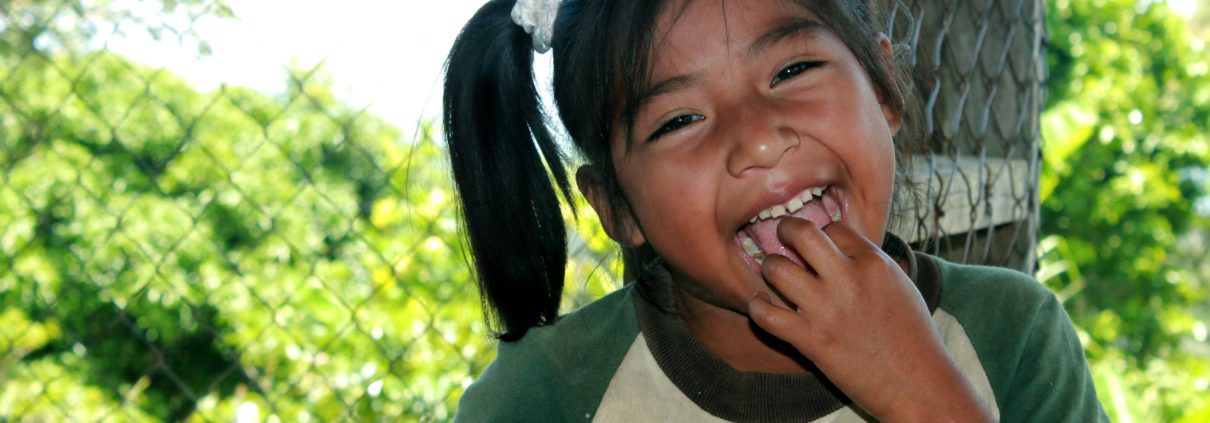 For Evelyn Suárez, getting her daughter Alexa healthy required more than medical care. It required finding a way to afford food, transportation and medicine while her daughter struggled with malnutrition. Doctors said Alexa had moderate acute malnutrition and was not gaining weight. After she received care at a UNICEF-backed clinic in El Progreso, Alexa started to bounce back. “Today she walks, runs and has an appetite,” Evelyn said in 2024. Alexa’s experience demonstrates how poverty in Honduras affects health even before families see a doctor. Not having enough money, food or access to transportation can keep families from living a healthy life. Groups like the World Food Program (WFP), the United Nations Children’s Fund (UNICEF) and the Pan American Health Organization (PAHO) are teaming up with Honduras to tackle these problems. Their efforts focus on nutrition, basic healthcare and social support.
Poverty and Malnutrition Are Closely Connected
WFP says 63% of the population lives in poverty in Honduras, while one in four children under five suffers from chronic malnutrition. The cost of malnutrition is huge – about $618 million a year, or 2.7% of the country’s GDP. For children, not getting enough to eat causes more than hunger. Nearly 19% of children under five in Honduras experience developmental delays due to malnutrition, according to WFP. Families in rural areas have an even harder time getting healthy food and medical help. WFP points to factors like lack of services, inequality, violence, displacement and climate problems as reasons so many people have food insecurity. WFP is helping the Honduran government run nutrition programs, support small farmers and build stronger food systems. These efforts meet urgent needs and help communities prepare for tough times ahead.
Children Often Experience the Impact First
Children growing up in poverty are hit hardest when there is not enough food or healthcare. UNICEF says at least 338,000 children enduring poverty in Honduras need help with nutrition. In just 2023 and 2024, more than 45,000 children under five received support that included food, clean water, hygiene, child protection and cash assistance for families. Alexa was among those children who got help. Her family received cash support, which helped pay for food, bus rides and other basics. Evelyn explained that her husband worked in sugar cane seasonally, so sometimes the family could not afford enough food. The extra money also helped them get Alexa to the clinic. Alexa’s story shows that improving health is not just about building more clinics. Families need the money and support to get to these clinics and keep their kids healthy at home.
Strengthening Healthcare Can Save Lives
Poverty in Honduras often makes it hard to get medical help quickly. For rural families, the nearest health center might be hours away – and travel costs money. PAHO says improving basic healthcare and connecting services are key steps Honduras is taking to boost health for everyone. There is already progress. Between 2023 and 2025, Honduras’ maternal mortality rate fell from 65 to 38 deaths per 100,000 live births, a reduction of 41.5%. PAHO reports that this progress was driven by an integrated territorial response that strengthened the clinical, operational and logistical capacity of the health system, particularly in higher-risk settings. This success shows what is possible when health services reach communities that once had limited access. Investing more in primary care means risks are caught sooner and families get help faster.
Social Protection Can Improve Health Outcomes
Health and money go hand in hand. If families cannot regularly pay for food, buses or basics, even simple medical care becomes a challenge. To help, the Inter-American Development Bank gave Honduras a $75.9 million boost. The program is designed to provide cash to 50,000 of the poorest households and support nutrition and early childhood services for 165,000 children. The program also aims to protect household income from climate, economic and health-related shocks while strengthening services for vulnerable families. By combining cash aid with nutrition and child services, the initiative breaks down many barriers that keep low-income families from getting care.
Building a Healthier Future
Poverty in Honduras remains a major obstacle for families. But programs focusing on food, healthcare and social support are starting to make a real difference. Alexa’s recovery demonstrates these efforts go beyond numbers. With the right treatment and support to buy food and get to the clinic, she went from barely crawling to running and eating on her own. Her story reminds us that health and poverty are intertwined. Fixing one without the other means families might face the same problems all over again. If Honduras continues investing in primary care, nutrition and social support, more families will get what they need – before a health scare turns into a crisis. The country’s progress so far shows that when these services reach people in need, health improves for everyone.
– Mia Lomonaco
Mia is based in Chicago, IL, USA and focuses on Global Health for The Borgen Project.
Photo: Pixabay
