Beekeeping in Uganda: Poverty Reduction and Conservation
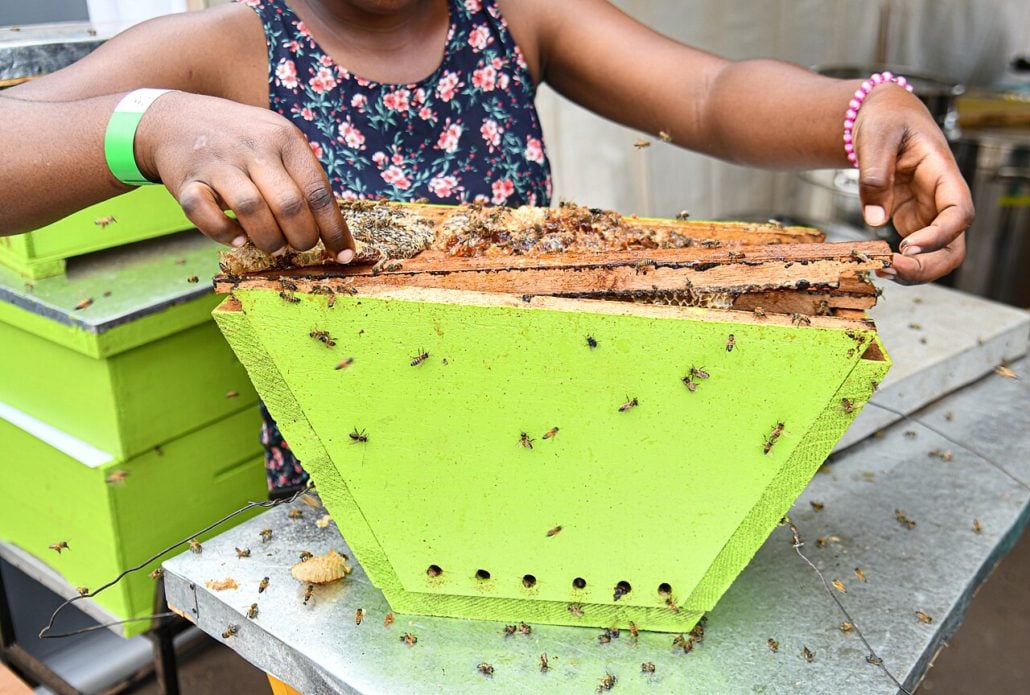 Uganda is meeting conservation goals and alleviating poverty through its apiculture sector. Here is how beekeeping in Uganda helps with poverty reduction and conservation.
Agriculture and Poverty in Uganda
Historically, Uganda’s fertile soils made it one of East Africa’s most agriculturally productive nations. However, 60% of households rely on subsistence farming, reflecting persistent rural poverty that often leaves farmers unable to afford fertilizers, crop rotation or fallow periods needed to maintain soil health.
According to the World Bank, 16.1% of Uganda’s population lived below the national poverty line as of the 2023 to 2024 survey, down from 20.3% in 2019 to 2020, with poverty particularly concentrated in the country’s Northern and Eastern regions. National poverty reduction had largely stagnated in the years prior, making alternative sources of rural income increasingly important.
As crop yields deplete due to unsustainable practices, farmers expand crop access through the forest and wetlands. Mass subsistence farming causes ecological and economic challenges. Both the Ugandan government and local nonprofits have recognized beekeeping (apiculture) as a low-impact and highly effective solution.
Beekeeping and Conservation
Beekeeping in Uganda has helped reduce deforestation by creating an economic incentive to preserve trees rather than clear them for farming. According to Uganda’s National Forestry Authority, the country’s forest cover fell from 24.1% of its land area in 1990 to 9.5% by 2015, largely due to agricultural expansion and fuelwood demand. Because apiculture depends on healthy tree cover for hive placement, shade and nectar sources, it gives rural households a way to generate income without clearing additional land. By shifting some economic dependence away from land-intensive farming, beekeeping has become a practical conservation tool that supports both forest preservation and household livelihoods.
Attracting and Protecting Pollinators
Not only does beekeeping in Uganda provide an alternative to subsistence farming, but it reduces the need to clear more land for increased crop yields. Research by the Food and Agriculture Organization finds that 75% of global food crops at least partly depend on pollination, while pollinators contribute to 35% of global crop production by volume.
Further, research that the United Nations highlighted found that stronger pollination practices could increase crop yields on underperforming farms by a median of 24%. By attracting more pollinators to their land, Ugandan farmers can improve harvests on existing plots, reducing the need to clear additional forest for farmland.
The country occupies only 2% of the world’s land mass but is ranked among the top 10 most biodiverse in the world. Beekeeping in Uganda has strengthened conservation that other species rely on, as the country is home to 322 species listed as threatened on the International Union for Conservation of Nature (IUCN) Red List (2024).
As agricultural expansion continues to reduce forest cover, threatened species such as mountain gorillas face increasing pressure from habitat loss and fragmentation. Beekeeping in Uganda plays a critical role in pollinating wild plants and supporting forest regeneration. It also helps maintain the habitats these endangered species rely on. By protecting pollinator populations and encouraging tree preservation, apiculture helps sustain the fragile ecosystems that support some of the world’s most vulnerable wildlife.
Beekeeping and Poverty Reduction
Beekeeping in Uganda supports an estimated 1.2 million beekeepers, creating market access and additional income opportunities for rural households across the country through the production and sale of honey, beeswax and other bee products. Because beekeeping requires low start-up costs and minimal resources, it remains accessible to many low-income households. Research shows apiculture allows farmers to diversify their income through honey and wax sales without interrupting primary food production. These products can be sold in local and regional markets, creating an additional source of income that can help families pay for necessities such as school fees, medical expenses and farming supplies. The Uganda National Apiculture Development Organization (TUNADO) notes that Uganda’s honey sector continues to grow as both domestic and export demand increase.
TUNADO reports reaching more than 100,000 beekeepers across Uganda and training and involving 45,000 women throughout the apiculture value chain. Its 2020 annual report recorded 91,213 subscribing beekeepers, including 36,485 women, and found that beekeeping provided 100% of household income for 52% of participating beekeepers and between 35% and 70% for the remainder.
The Results
Because beekeeping requires relatively little land, labor and capital, it has created opportunities for women and young people in Uganda, groups that often face greater barriers to land ownership and formal employment. Beekeeping can strengthen livelihoods by expanding income opportunities for marginalized groups, particularly in rural communities where economic opportunities remain limited. In Uganda, organizations like TUNADO promote beekeeping among women and youth to encourage entrepreneurship and strengthen household resilience. This allows them to take part in local economies while also supporting food production and environmental conservation.
One can see the results at the individual level. One beekeeper that TUNADO featured increased honey production from 35 kilograms to 292 kilograms within two years after receiving training and support, earning 2,482,000 Ugandan shillings (UGX) in a single season and expanding her apiary to 45 colonies.
TUNADO has also expanded apiculture opportunities to groups traditionally excluded from rural economic development. A beekeeping project for people with disabilities initially targeted 30 participants in Gulu and Jinja. All 30 received training and established apiaries, while another 10 people adopted beekeeping after learning from participants in the program. About half of the original beneficiaries had begun harvesting and selling honey during the project.
Global Demand
Uganda is one of the few African countries authorized to export honey and other bee products to the European Union, giving local beekeepers access to one of the world’s largest and fastest-growing markets. Uganda’s apiculture sector continues to see growing demand both internationally and domestically, with products such as honey, beeswax, propolis, royal jelly and bee venom becoming increasingly valuable. This expanding trade gives rural households another reliable source of income while strengthening Uganda’s economy and increasing market opportunities for beekeepers across the country.
TUNADO’s Bee A Champion 2 Initiative
Programs continue to build on these gains. TUNADO’s Bee A Champion 2 initiative targeted 3,300 direct beneficiaries, including 300 “bee champions” and 3,000 auxiliary beekeepers, with 1,000 participants drawn from refugee and host communities. The program focuses on improving livelihoods, expanding market access and increasing access to financing, demonstrating how Uganda’s growing apiculture sector is being used deliberately as a poverty-reduction strategy.
By creating income opportunities, opening access to export markets and supporting women and young farmers, apiculture is helping strengthen rural livelihoods across the country. At the same time, its role in protecting forests and supporting biodiversity shows how economic growth and conservation can work together, making beekeeping an increasingly important tool in Uganda’s fight against poverty.
The growing reach of organizations such as TUNADO shows that this approach is already producing measurable results. By helping Ugandans turn healthy ecosystems into sustainable sources of income, beekeeping offers a solution in which reducing poverty does not have to come at the expense of Uganda’s forests and biodiversity.
– Kale Overton
Kale is based in Saint Petersburg, FL, USA and focuses on Good News and Politics for The Borgen Project.
Photo: Wikimedia Commons
