How Beekeeping in Uganda Is Transforming Rural Communities
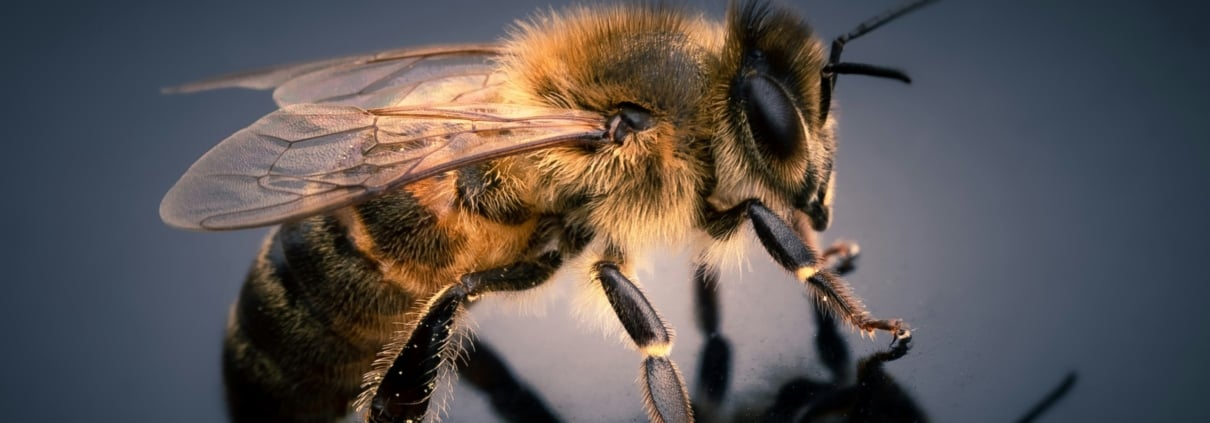 Agriculture remains an important source of income for Ugandan families, particularly in rural communities. However, farmers often face limited access to financing, reliable markets and opportunities to add value to their products. The World Bank estimated that more than four in 10 Ugandans lived below the international poverty line of $2.15 per person per day in 2024. Beekeeping offers rural families another way to generate income while supporting agriculture and biodiversity.
The Growing Role of Beekeeping
Beekeeping, also known as apiculture, has become an increasingly important agricultural activity in Uganda. The country’s Ministry of Agriculture, Animal Industry and Fisheries reported that honey production increased from 20,875 metric tons in 2022 to 2023 to 21,505 metric tons in 2023 to 2024, a 3% increase. The ministry identifies apiculture as an opportunity for employment, income generation and profitability, particularly for women and young people.
Beyond honey production, bees support agriculture through pollination. Pollinators help maintain food production and biodiversity, making beekeeping valuable to farmers who grow crops alongside their apiaries. Beekeeping can provide smallholder farmers with an additional source of income while supporting the ecosystems on which agriculture depends.
Beekeeping Creates Opportunities for Women
Women can also use beekeeping to diversify their incomes and gain greater economic independence. The Budongo Women Bee Enterprise in Uganda’s Masindi region provides one example. Eleven women created the cooperative in 2012, and 40 women have since benefited directly from training in beekeeping and candle making. Members sell honey twice a year and produce mosquito-repellent candles from beeswax.
The initiative connects beekeeping with broader community development. The women receive training in marketing, financial management and leadership while the cooperative supports sustainable land-use practices and tree planting. By combining honey production with other products and skills, the project gives women several ways to generate income while encouraging environmental conservation.
Supporting a Growing Industry
Organizations such as the Uganda National Apiculture Development Organization (TUNADO) also support the country’s beekeeping sector by connecting beekeepers, processors, trainers, researchers and other industry participants. TUNADO reports that its activities have reached more than 100,000 beekeepers across Uganda, including 45,000 women involved in different parts of the apiculture value chain. The organization also reports training 1,400 people with disabilities in beekeeping and honey production.
These efforts can help farmers access knowledge and markets while creating opportunities beyond the farm. Beekeeping can support jobs in honey processing, packaging, equipment production and marketing, allowing rural communities to benefit from several stages of the value chain.
A Sustainable Path Forward
Beekeeping does not require farmers to abandon other agricultural activities. Instead, farmers can integrate hives into existing farming systems while benefiting from pollination and additional products such as beeswax and propolis.
However, beekeepers still face challenges, including limited access to modern equipment, financing, training and reliable markets. Expanding technical support and improving access to higher-value markets could help more farmers benefit from the growing honey industry.
– Violette Bardouil
Violette is based in Paris, France and focuses on Good News for The Borgen Project.
Photo: Unsplash
