Restoring Dignity: Eliminating Obstetric Fistula in Sierra Leone
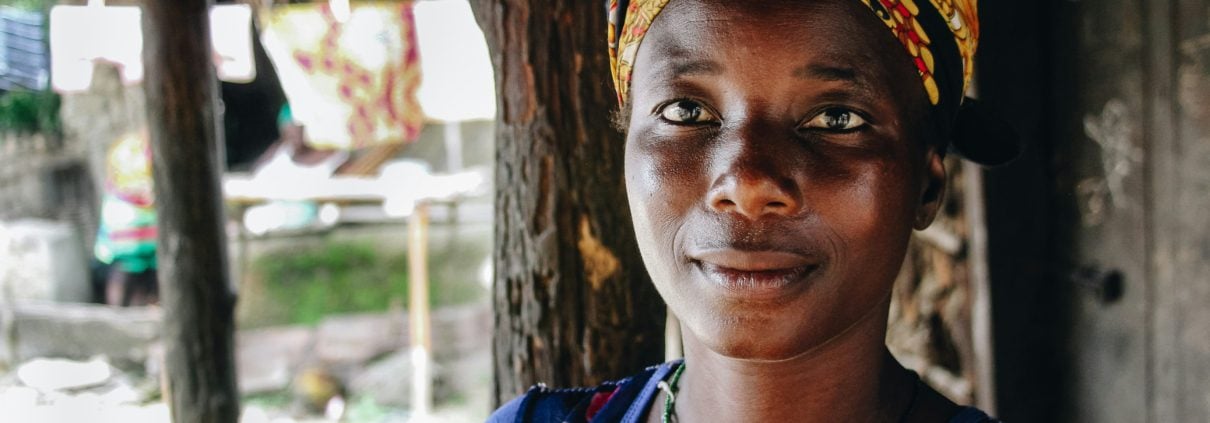 In a small, rural community in the interior lowlands of Sierra Leone, a young woman experienced days of obstructed labor, which unfortunately resulted in the loss of her child. While she survived, severe complications from her perilous delivery caused heavy urinary and fecal leakage, leading to extreme postpartum depression and isolation from the community due to stigma. For years, this has been the story for thousands of women from this geographically diverse country.
Located in West Africa and bordering the Atlantic Ocean, many know Sierra Leone for its stunning white sand beaches and rich diamond and mineral wealth. However, despite its natural beauty and opulence, the nation has faced a severe issue of obstetric fistulas due to poor health care infrastructure. The condition occurs due to a tear between the birth canal and bladder and/or rectum, primarily caused by prolonged, obstructed labor without efficient access to adequate medical treatment. Side effects include continuous leakage of urine and/or feces, infections and extremely irritated skin. Due to the additional mental health consequences, many affected women cannot work outside their home or farm, deepening poverty levels.
The World Health Organization (WHO) estimates that around one to two million women are afflicted by this condition, mostly in sub-Saharan Africa and Asia. However, it is incredibly preventable with access to adequate obstetric care and emergency cesarean sections.
Why Sierra Leone Faces This Issue
There are many reasons why obstetric fistula is a grave issue in Sierra Leone. The root cause is prolonged and obstructed labor due to a lack of proper access to obstetric care. This is mainly related to transportation difficulties, costly obstetric services and a lack of trained professionals in many areas across the country. Ultimately, these problems are rooted in the high rates of poverty in the nation.
A 2018 community-based survey found a maternal mortality ratio of around 516 deaths per every 100,000 live births — though more recent United Nations Population Fund (UNFPA) data shows the country has since made significant progress, reducing its maternal mortality ratio to 354 per 100,000 by 2023, a 79% decline since 2000. Even with this improvement, Sierra Leone remains among the countries with the highest maternal mortality rates in the world. Recognizing obstetric fistula as a major remaining issue, Sierra Leone has shifted toward a nationwide systemic strategy to address the problem.
The National Strategy to End Obstetric Fistula in Sierra Leone
Launched by the Ministry of Health and Sanitation in May 2023, this strategy represents the nation’s first comprehensive and official plan to eliminate obstetric fistula as a nationwide public health crisis. The government primarily funds the strategy along with UNFPA and shifts the focus from occasional surgical interventions to overall long-term prevention and rehabilitation. The ultimate goal detailed by the framework is to eliminate cases by 2027. It also details five main objectives: prevent obstetric fistula, improve care for women currently afflicted, strengthen governmental programs and management, improve resources and finances and strengthen long-term research and monitoring.
- Prevent Obstetric Fistula. The strategy aims to improve access to adequate sexual and reproductive care across all life stages for women, including pregnancy and labor. This will involve investing in sexual and reproductive health (SRH) services and education, especially for adolescents, to prevent unplanned pregnancies.
- Improve Care for Women Currently Afflicted. This objective involves strengthening the identification and mobilization of women with fistula, providing treatment and care for them, and increasing the number of fistula repair personnel. This includes training midwives and health care workers in identification and treatment, establishing toll-free hotlines and improving SRH education for affected patients.
- Strengthen Governmental Programs and Management. This step commits to eliminating obstetric fistula through the Ministry of Health and Sanitation (MoHS), establishing formal partnerships with non-governmental and community-based organizations, and strengthening management to institutionalize fistula repair. The strategy outlines developing legislation to promote SRH education and awareness through the MoHS and creating platforms for advocacy and lobbying.
- Improve Resources and Finances. The nation will implement financial protection for those affected by the condition and enhance resources for fistula programs. This involves improving free health care initiatives and encouraging local governments and hospitals to include a budget line for obstetric fistula survivors.
- Strengthen Long-Term Research and Monitoring. This last step focuses on institutionalizing the inclusion of fistula-related data in periodic evaluations, capacity-building for fistula data management and the spread of research report findings to improve fistula care in the future.
Successes
In 2024 alone, more than 700 women and girls were screened, with 200 receiving surgical repairs. Around 400,000 were reached with awareness campaigns on SRH and fistula prevention, and the training of around 642 health care workers enhanced facilities for fistula prevention.
For thousands of women across Sierra Leone, treating obstetric fistula means more than repairing a simple tear in their bodies — it means restoring dignity and livelihood to lives deeply affected by the effects of poverty. Through continuous investment in awareness, prevention and rehabilitation of the condition, the country is transforming stories of agony into ones of recovery.
– Tanish Peddi
Tanish is based in Westford, MA, USA and focuses on Global Health for The Borgen Project.
Photo: Unsplash
