Recognizing the Right to a Childhood in Malawi
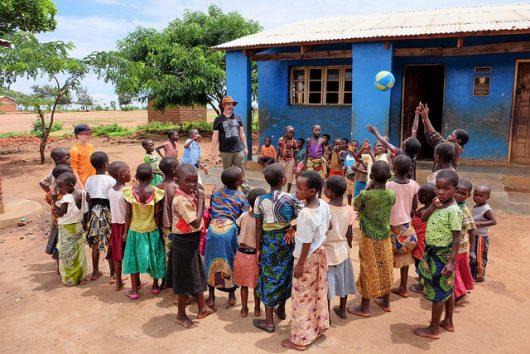
In the last two decades, international organizations and nonprofits have turned their attention toward the right to a childhood. Children are vulnerable not only due to their age but also due to their lack of resources, low education and inability to effectively communicate. This combination has left children susceptible to child labor, child marriage and sex trafficking, forcing them to grow up quickly without a childhood. More must be done to harmonize regional, international and local laws to clearly define the age of a child in order to prevent confusion and children slipping through the system in order to allow every child the right to a childhood.
Prioritizing children’s right to a childhood in Malawi has a significant meaning for many young women combatting forced marriage. Child marriage, with parents’ consent, is common in Malawi for children between 15 and 18 years old. In 2015, Malawi amended its marriage law to increase the minimum age to 18. The constitution allows marriage at 15 years with parental consent.
Malawi’s Protection and Justice Act defines an adult at 16 years of age. The Convention on the Rights of the Child and the African Charter on the Rights and Welfare of the Child defines an adult at 18 years. Harmonizing these laws would reduce confusion and decrease forced marriage by increasing the age of eligibility to marry. If this harmonizing of laws and redefining of age proves successful, this could be an example used for other countries combatting childhood labor, child soldiers and early childhood marriage, increasing availability of the right to a childhood.
The protection of a child’s innocence, as well as their right to a childhood, should start much earlier than marriage. Right to Play was founded in 2000 by four Olympic gold medalists and an entrepreneur. The nonprofit focuses on protecting a child’s critical years. “While food, water and shelter are essential, so is a childhood, complete with education and opportunities to actively engage with other children,” its website states. The organization teaches children life skills, which will help them overcome inevitable conflict and disease as they grow up.
Games engage children to participate in the programs, while the “Reflect-Connect-Apply” approach forces the children to examine their life experiences. Then they relate those experiences to their education. They finally apply this technique to their daily lives. “Reflect-Connect-Apply” focuses on creating positive, sustainable change in three areas: education, health and living in peace.
In some parts of the world today, children are not able to experience the benefits of a right to a childhood. Organizations and NGOs working on the ground level of local villages are teaching communities the value of play combined with an international movement to harmonize laws and clearly define an age for a child could help. Protecting the right to childhood is good for the immediate community and generations to come.
– Danielle Preskitt
Photo: Flickr
