Reducing Child Mortality In Asia
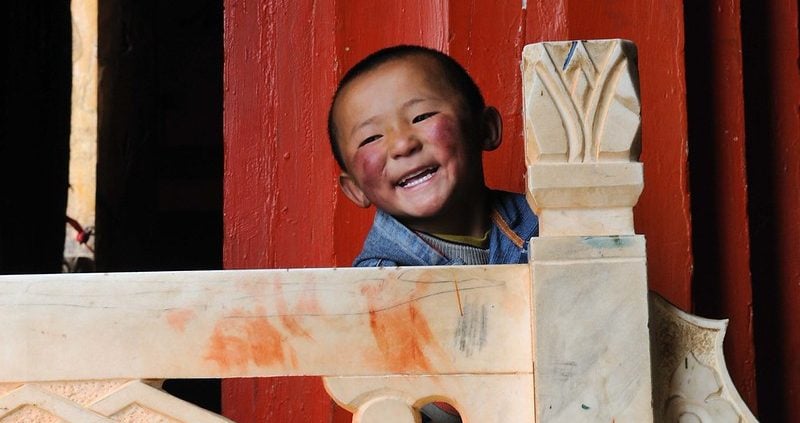 In 2024, approximately 4.9 million children worldwide died before their fifth birthday, with 2.3 million of these deaths being newborns. Around 25% of all under-five deaths occur in South Asia, with complications during the first month of life, such as preterm delivery, often being the cause. However, in recent years, Asian countries have made major progress in reducing child mortality rates, a longstanding issue on the continent. Since 2000, China and India have reduced child mortality rates by more than 50%, with seven other countries in Asia also achieving record lows. Reduced child mortality in Asia has been aided by a strong focus on reducing poverty through services like health care.
Improved Health Care
Over the past 20 years, China has placed a large focus on socioeconomic development, particularly in the nation’s health care system, with basic medical insurance achieving more than 95% of population coverage. Maternal health care has seen steady investment, with a particular focus on improving support accessibility for those in rural areas. The government provided subsidies to women who delivered babies in hospitals, resulting in a 99% institutional delivery rate.
A mother in 2016 told the United Nations Children’s Fund (UNICEF) how this change in the way women seek health care impacted her personally. Just one antenatal checkup and a home birth, due to fears of hospital costs, meant she lost her first baby. However, due to government subsidies that covered expenses, she was able to deliver a healthy second child at the county hospital.
Strong governance in India has also improved quality of life and outcomes for both newborns and child health. As part of India’s National Health Mission, the government has implemented progressive programs to provide “equitable access” for mothers. The Janani Suraksha Yojana initiative was launched in 2005 to provide financial support for poor mothers, helping them safely deliver their babies. In 2024, 95% of mothers received medical attention during live birth in either public or private hospitals, up from 83% in 2019.
A Focus on Poverty
There has been a strong focus from Asian countries on poverty reduction, with China reducing the number of people living in poverty by 800 million in just four decades, accounting for close to three-quarters of extreme poverty reduction worldwide. China achieved this by developing economic opportunities, improving incomes and channeling support to specific areas of the country, like rural households. An example of this was a series of targeted poverty alleviation programs that identified counties and districts of China in critical need of assistance. In 2021, President Xi Jinping claimed 100 million poor rural people had been “lifted out of poverty” over the previous eight years.
India has also reduced extreme poverty to 2.3% over the last decade, lifting 171 million people above the poverty line. The Arogya Lakshmi scheme is an example of how a strong focus on nutrition has contributed to this reduction. This welfare program in the Indian state of Telangana provides “one nutritious meal” per day to pregnant and breastfeeding mothers, as well as children below the age of six. Since being launched in 2015, more than 1.89 million breastfeeding mothers and 518,216 infants have been covered by the scheme.
Aid From Organizations
UNICEF has been helping to provide aid in Asia for more than 78 years, working with governments to improve primary health care systems through tools such as telehealth. UNICEF’s work in the Philippines, which saw seven million children vaccinated in six weeks thanks to a real-time vaccination monitoring system, is evidence of these digital tools’ effectiveness. The Baby-Friendly Hospital Initiative, a partnership with the World Health Organization, has also helped to provide educational support to mothers through the program’s “10 Steps to Successful Breastfeeding.”
Save the Children helped improve the lives of more than 310,000 children in 2025 and has worked in the region for more than 70 years. The organization’s Comprehensive Safe Schools Approach, which partnered with the China Society of Education, helped to reach more than 120 million students. In Afghanistan, a Save the Children free-to-use clinic helped rescue a child from severe acute malnutrition. A successful nutrition treatment program saw the child’s health improve, with her mother describing her as able now to “move and smile,” despite initially being unable to due to her malnourishment.
Lessons to Be Learned
The progress made in reducing child mortality in Asia has provided a model to other countries, particularly in the African region. Cooperation between China and African nations, such as the $60 billion funding pledged by China in 2016, will help advocate for and improve maternal and child health outcomes, further reducing global child mortality rates. Through a focus on maternal health care, financial support for rural areas and a greater investment in reducing poverty, many other mothers can have successful pregnancies and many more children can live to see their fifth birthday.
– William Snow
William is based in Chepstow, Wales and focuses on Good News and Technology for The Borgen Project.
Photo: Flickr
