Successful Poverty Reduction in Peru
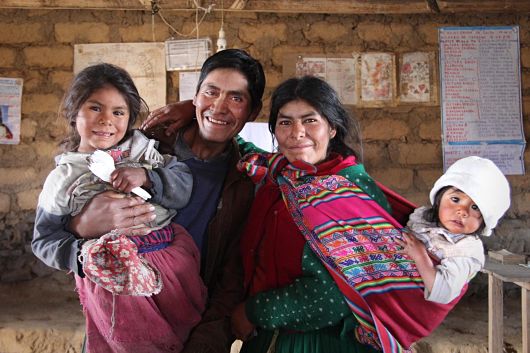
Poverty rates in Peru have dropped significantly over the past four years. Specifically, extreme poverty rates among those with non-social assistance-based income have dropped from 32.8 percent to 24.1 percent in the poorest, most rural parts of the country. While Peru has faced its fair share of challenges, progress is being made.
Ana Revenga, the Senior Director of the Poverty Reduction Unit of the World Bank, recently stated that Peru’s economic growth and poverty reduction is one of the best in the region. Revenga explained, “The significant and sustained growth of the Peruvian GDP benefited the poorest, which resulted in a decrease in inequality.”
These impressive economic improvements throughout the country have come as a result of a major collective effort. In particular, a variety of social initiatives have proven to be key in combating extreme poverty and inequality.
Programs like the National Strategy for Development and Social Inclusion — or “Incluir para Crecer” — are working to close gaps in available public services. Perhaps even more importantly, this type of social program works to expand exclusive economic growth that neglects to help those suffering most severely.
As the country strives to continue moving forward, additional programs like Juntos and Pension 65 will be offering support to Peru’s poorest population. These programs will be working to ensure the longevity of recent improvements in the economic and living conditions of the extremely poor.
The Juntos program has directly contributed to the reduction in child malnutrition under the country’s current government. Within the framework of the program, conditional transfers of state subsidy guarantee good health and growth for unborn and young children alike.
Amongst Peru’s rural population, child chronic malnutrition has declined from 37 percent to 28.8 percent. At the national level, it has dropped from 19.5 percent from just four years ago to 14 percent in 2015. This number is encouragingly close to the 10 percent target set for the end of the current administration period.
The country’s Minister of Development and Social Inclusion, Paola Bustamante recently stated that since 2012, there has been over $1 billion invested in these types of social programs.
She explained that all social programs are implemented under a performance-based budgeting framework, which prevents funds from being used for other purposes besides social programs.
However, despite the above mentioned critical steps in the right direction, Peru is still facing its fair share of structural challenges. In early July 2015, the Organization for Economic Cooperation and Development requested that Peru review and reorganize its denomination of rural and urban regions.
Such obstacles have not significantly curtailed the rates of improvement in poverty reduction and inequality, however. In fact, Bustamante Suarez, another government official, has assured the public that current social inclusion policy will most definitely be continued by subsequent administrations.
Strategically targeted social initiatives will continue to level the economic playing field. As explained by Suarez, these programs will continuously work to close basic services gaps, thus improving the living conditions of the poor population. Peru still has a long road ahead, but leaders are confident that it will come out on top.
– Sarah Bernard
Sources: Andina, Peru This Week
Photo: Peace and Hope International
