Mobile Libraries in Ghana and Education to Rural Communities
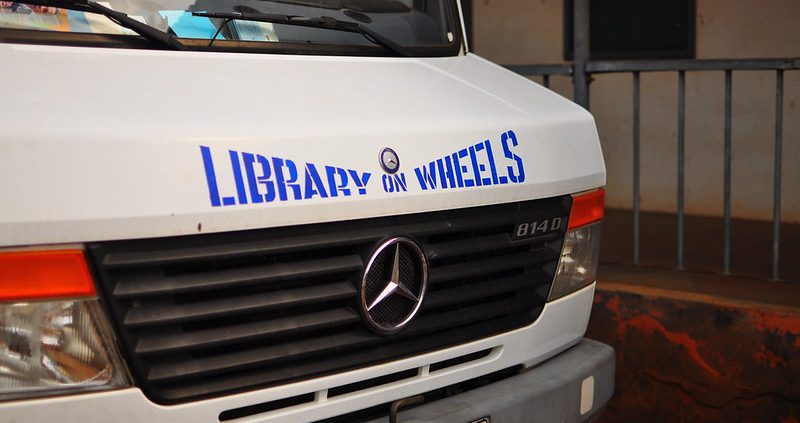 A library does not always need four walls. In rural Ghana, brightly painted vans filled with books and computers bring education directly to children who would otherwise have little to no access to reading materials. This lack of educational resources is particularly significant in rural communities, where 36.7% of people are multidimensionally poor, according to the Ghana Statistical Service. Limited access to education can also make it harder to escape poverty by restricting future employment and earning opportunities. The World Bank estimates that each additional year of schooling is associated with a 12.4% increase in earnings in sub-Saharan Africa, showing how access to education can improve future economic opportunities.
Bringing Books to Communities That Need Them Most
Mobile libraries in Ghana increase access to educational resources by delivering books, digital resources and literacy programs directly to communities that lack permanent libraries or access to such materials. According to the United Nations Educational, Scientific and Cultural Organization (UNESCO), this initiative has helped more than 3,000 children per year since 2017. UNESCO reports that between 2021 and 2023, the initiative served more than 12,000 learners, 75% of them girls and young women. These initiatives demonstrate expansion in educational opportunities, encouraging children to develop a love of reading and giving students the tools they need to succeed in school.
One organization leading this effort is the Ghana Book Trust (GBT). Since 2013, GBT has partnered with CODE and the Ghana Library Authority to operate a mobile van that travels throughout the Ashanti Region. The van carries thousands of books, computers and tablets to more than 45 communities without local libraries. During each visit, children can borrow books, participate in reading activities and gain access to computers and the internet. The program also includes spelling bees, literacy games and specific lessons that help students strengthen their reading and digital skills. The program’s impact is evident in students’ reading abilities. Ashanti Regional Mobile Library Officer Ofosu Frimpong said school visits showed clear improvement in the pupils’ reading habits, with children able to “read with much confidence” compared with their reading before the mobile libraries arrived.
Helping Students Build Digital Skills
For many students in rural Ghana, learning computer skills can be challenging because schools often lack electricity, computers or internet access. To address this challenge, the nonprofit organization Electronic Information for Libraries (EIFL) partnered with the Ghana Library Authority to equip mobile library vans with solar-powered laptops and internet access. Between 2015 and 2019, the project supported more than 3,200 students in four regions of Ghana by providing hands-on computer lessons that helped prepare them for the Basic Education Certificate Examination (BECE), a key exam required for admission to secondary school. The program allowed many students to use a computer for the first time while improving their confidence in digital learning.
Libraries Without Walls Is Reaching More Children
Another initiative expanding educational access is the Foundation for Educational Equity and Development’s (FEED) “Libraries Without Walls” program. The initiative uses mobile libraries, community reading spaces and digital technology to reach children with limited access to educational resources. In 2024, UNESCO recognized the program with the King Sejong Literacy Prize for its innovative approach to improving literacy. According to FEED, the program has reached more than 20,000 children over seven years by making books, educational materials and digital resources available in underserved communities. Selina, one of the program’s beneficiaries and its first ambassador, said Libraries Without Walls “helped shape my love for reading.” She now helps younger students learn how to read, showing how the program’s impact can continue from one student to another. The recognition highlights how creative solutions can reduce educational inequalities while encouraging lifelong learning.
Mobile libraries in Ghana have also produced measurable improvements in students’ learning. According to FEED’s 2024 Annual Report, communities participating in Libraries Without Walls have recorded up to a 35% improvement in reading comprehension scores. FEED has also observed increased school attendance and girls re-engaging in learning, showing that expanding access to books and literacy programs significantly supports broader improvements in students’ education and engagement with learning.
Creating Lasting Opportunities Through Education
The success of mobile libraries in Ghana demonstrates that expanding access to education does not always require constructing new school buildings. By bringing books and technology directly to children, these programs help students strengthen literacy, improve digital skills and develop confidence in learning. Organizations such as the Ghana Book Trust, FEED and EIFL continue to show that community-based initiatives can make a significant difference. As these programs grow, they create greater educational opportunities for children in rural Ghana while helping build a stronger foundation for future generations.
– Masa Qasim
Masa is based in Toronto, Canada and focuses on Good News for The Borgen Project.
Photo: Flickr
