• Link to X
  • Link to Facebook
  • Link to Instagram
  • Link to TikTok
  • Link to Youtube
  • About
    • About Us
      • President
      • Board of Directors
      • Board of Advisors
      • Financials
      • Our Methodology
      • Success Tracker
      • Contact
  • Act Now
    • 30 Ways to Help
      • Email Congress
      • Call Congress
      • Volunteer
      • Courses & Certificates
      • Be a Donor
    • Internships
      • In-Office Internships
      • Remote Internships
    • Legislation
      • Politics 101
  • The Blog
  • The Podcast
  • Magazine
  • Donate
  • Click to open the search input field Click to open the search input field Search
  • Menu Menu
Blog - Latest News
Global Poverty

The Mechanic Who Is Lighting Up the World
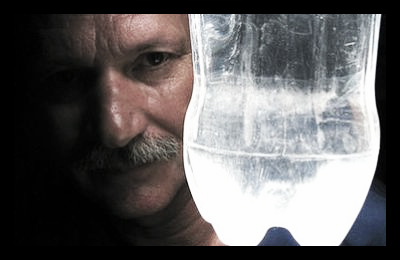
Moser lamp
In 2002, Brazilian mechanic Alfredo Moser figured out a way to illuminate his home without using electricity. His idea was simple— it involved clear plastic bottles filled with water and a small amount of bleach to protect the water from algae. After drilling a hole in his roof, Moser pushed the two-liter bottle up and through the hole, exposing it to sunlight. The water’s refraction of the sunlight created an illuminating effect equal to that of a 60-watt light bulb. Moser’s lamp is now being used to light up the world.

The MyShelter Foundation, an organization that brings sustainable building solutions to poorer regions of the Philippines, has used the Moser lamp to light up more than 140,000 homes. Use of the lamps has also spread to 15 other nations. MyShelter hopes to have one million lamps installed around the world by 2015. The organization also trains individuals to make and install the lamps, which helps them earn a small income. “Alfredo Moser has changed the lives of a tremendous number of people, I think forever,” said Illac Angelo Diaz, the executive director of MyShelter.

In fact, Moser’s lamp has the potential to change the lives of billions of people. The World Bank estimates that more than 1.2 billion people do not have access to electricity. That means 20 percent of the world’s population cannot turn on the lights. Though Moser’s lamp can only be used during the day, it is beneficial for people who live in shacks and huts that are often dark and windowless. According to the United Nations, the lamp refracts light 360 degrees and can reach all corners of a 40 square meter room.

In terms of cost, most of the bottles are upcycled and the cost of installation is less than a U.S. dollar. The United Nations estimates the monthly electricity savings are almost $6. It would be difficult to find illumination that is cheaper or more sustainable than the Moser lamp.

Though Moser has earned little from his invention, it has been a great source of pride. In an interview with the BBC, Moser said that he could never have imagined that his idea would have such an impact on people throughout the world. “It’s a divine light,” he said. “God gave the sun to everyone, and light is for everyone. Whoever wants it saves money. You can’t get an electric shock from it, and it doesn’t cost a penny.”

— Daniel Bonasso

Sources: BBC , Liter of Light , United Nations

August 31, 2013
Share this entry
  • Share on Facebook
  • Share on X
  • Share on WhatsApp
  • Share on Pinterest
  • Share on LinkedIn
  • Share on Tumblr
  • Share on Vk
  • Share on Reddit
  • Share by Mail
https://borgenproject.org/wp-content/uploads/borgen-project-logo.svg 0 0 Borgen Project https://borgenproject.org/wp-content/uploads/borgen-project-logo.svg Borgen Project2013-08-31 13:32:412017-11-30 10:46:31The Mechanic Who Is Lighting Up the World

Get Smarter

  • Global Poverty 101
  • Global Poverty… The Good News
  • Global Poverty & U.S. Jobs
  • Global Poverty and National Security
  • Innovative Solutions to Poverty
  • Global Poverty & Aid FAQ’s
Search Search

Take Action

  • Call Congress
  • Email Congress
  • Donate
  • 30 Ways to Help
  • Volunteer Ops
  • Internships
  • Courses & Certificates
  • The Podcast
Borgen Project

“The Borgen Project is an incredible nonprofit organization that is addressing poverty and hunger and working towards ending them.”

-The Huffington Post

Inside The Borgen Project

  • Contact
  • About
  • Financials
  • President
  • Board of Directors
  • Board of Advisors

International Links

  • UK Email Parliament
  • UK Donate
  • Canada Email Parliament

Get Smarter

  • Global Poverty 101
  • Global Poverty… The Good News
  • Global Poverty & U.S. Jobs
  • Global Poverty and National Security
  • Innovative Solutions to Poverty
  • Global Poverty & Aid FAQ’s

Ways to Help

  • Call Congress
  • Email Congress
  • Donate
  • 30 Ways to Help
  • Volunteer Ops
  • Internships
  • Courses & Certificates
  • The Podcast
Link to: Could GMO’s Help Prevent Food Shortages? Link to: Could GMO’s Help Prevent Food Shortages? Could GMO’s Help Prevent Food Shortages? Link to: Poorest Country in the World: Democratic Republic of Congo Link to: Poorest Country in the World: Democratic Republic of Congo Poorest Country in the World: Democratic Republic of Congo
Scroll to top Scroll to top Scroll to top