Catnip Fighting Malaria in Uganda
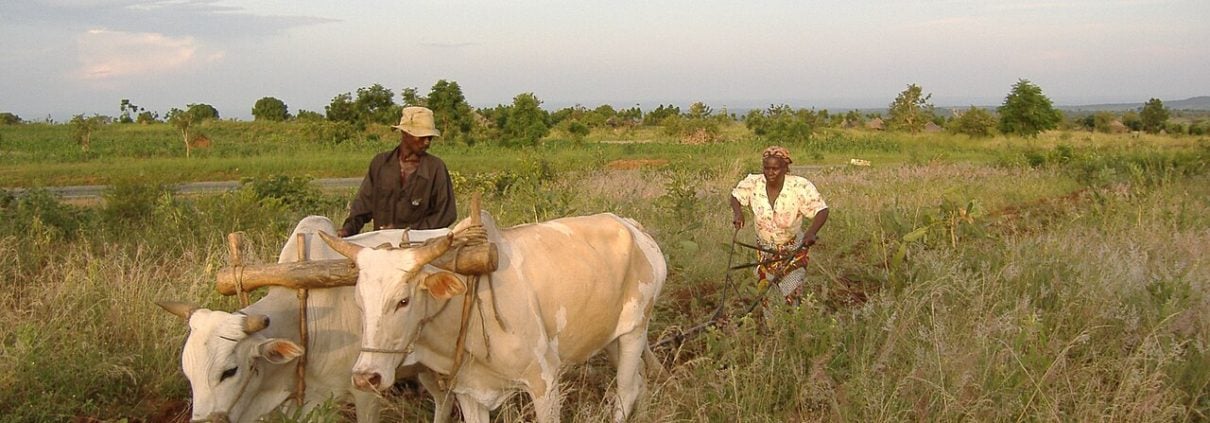 While Uganda faces a high level of poverty, with nearly one in six Ugandans living on $1 a day, poverty rates have dramatically dropped in the last three decades. In a 1992 to 1993 report of the Ugandan economy, the poverty rate was 56.4%, or nearly 11 million people. Now, it is closer to 16%, or 7 million people, according to the 2024 economic report.
Rural Poverty
However, the findings also showed that nearly 75% of those living in poverty reside in rural areas. Determinants of rural poverty include agricultural deficits due to environmental change, malnutrition and lack of access to health care. North and East Uganda, specifically the subregions of Acholi, Karamoja, Lango, West Nile and Busoga, face the highest transmission rates of malaria. These subregions also have the highest rates of poverty. Innovative solutions are needed to help fight these determinants of poverty, such as using catnip to combat malaria in Uganda as a form of affordable health care.
Burden of Malaria
Uganda is one of many countries struggling with a high burden of malaria, a disease mosquitoes carry. While malaria is common in hot and humid countries, Uganda faces infrastructural conditions that worsen the spread, such as populations lacking access to prevention and care. When left undiagnosed or untreated, malaria can progress to organ failure, coma or even death. Malaria in Uganda puts 90% of the population at risk, resulting in 13 million cases each year. Local and national organizations are attempting to fight the disease, but face unforeseen challenges, from funding cuts to shifting disease patterns.
Catnip Oil Solution
Scientists have long known that nepetalactone, the chemical found in the essential oil of catnip, is an insect repellent. However, it had not been widely used as a repellent in malaria-endemic regions until recently, when researchers from Cardiff University and the Uganda Virus Research Institute developed a lotion. As little as 6% catnip oil is as effective as a 15% DEET repellent, meaning that catnip combating malaria in Uganda is a viable solution.
DEET is incredibly common in repellents, disrupting insect sensors to prevent them from landing on human skin. While it is effective and can reduce malaria rates, it is expensive to produce and import. For most Ugandan farmers, for whom malaria is prevalent, DEET is not financially practical on a daily basis. Meanwhile, catnip oil lotions are affordable to produce, can be produced locally and are safe to use. Catnip combating malaria in Uganda is an easy option that can help reduce the spread of malaria in rural areas, which would help fight the higher levels of poverty.
Fighting Global Poverty
Catnip combating malaria in Uganda may seem a strange solution, but it can help fight global poverty. Accessible health care is essential for a stable economy, and catnip lotion is proving to be a viable option. Health and poverty are two parts of a cycle, where poor health’s negative effects on the economy contribute to poverty, and poverty’s negative effects on health result in poor health. Innovative solutions like a lotion with 6% catnip oil to fight malaria may seem odd, but they are making a difference in the fight against global poverty.
– Madalyn Youngbauer
Madalyn is based in Blaine, MN, USA and focuses on Good News and Global Health for The Borgen Project.
Photo: Wikimedia Commons
