Infrastructure Investment in Southern Africa
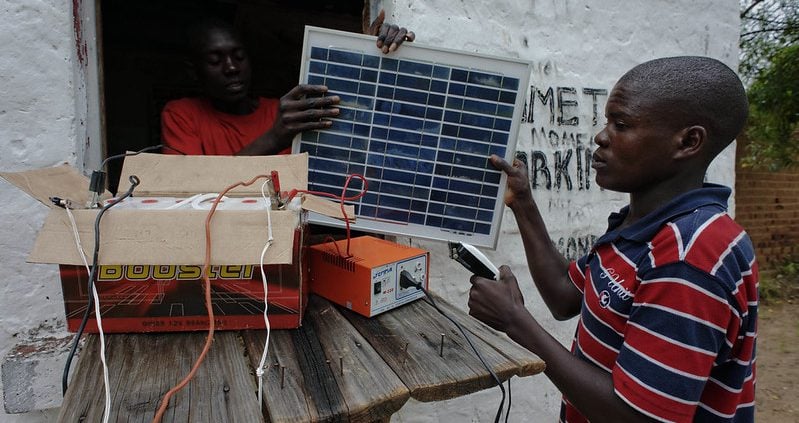 The World Bank and its partners are currently financing loans to support socioeconomic regional infrastructure investment in Southern Africa. These efforts aim to enhance transboundary interconnectedness, economic prospects, sustainability, electricity and energy access and sanitation services. One flagship regional effort, the Regional Infrastructure Finance Facility, has already connected 3.02 million people to new or improved electricity service across Eastern and Southern Africa. More than half of those connected are women. Households report increased study time for children and reduced time spent fetching fuel or cooking with kerosene and wood.
Extreme poverty affects 45.1% of Southern Africans, according to the United Nations Economic Commission for Africa. Since the COVID-19 pandemic, 60% of Namibians, South Africans and Zambians have reported significant losses in work and income. This has pushed 51 million more people into extreme poverty. Southern African countries face challenges with power supplies, logistics and job opportunities. These challenges make theg World Bank-supported loans vital for the region’s citizens living in extreme poverty.
Infrastructure Investment in Southern Africa
- South Africa: The World Bank and the International Bank for Reconstruction and Development have issued their fourth development policy loan to South Africa, valued at $1.5 billion. South Africa’s economy was growing at just 1% annually, with electricity tariffs leading to frequent power shortages and transportation issues harming productivity. The World Bank’s loan aims to create 600,000 new and higher-paid jobs by 2032. It will also help alleviate domestic burdens related to structural damage, water fetching time, family health risks and electricity connection issues for 300,000 households. Investment in renewable energy has increased sixfold, with rail, port and freight financing doubling since 2023.
- The Kalahari and Namib Deserts: The African Development Bank and its partners are administering the southern Great Green Wall Accelerator, allocating $4 million across Botswana, Namibia, South Africa and Angola. The program focuses on improving water access, renewable energy, resilient ecosystems, climate-resilient infrastructure, sustainable agriculture and inclusive economic development.
- Zambia: By 2024, fewer than 10 million people in Zambia had access to electricity, with supplies often unreliable due to drought-prone conditions. The International Development Association grant of $200 million from the World Bank will provide more sustainable energy services to one million Zambians. An additional $43 million supports transboundary electricity transmission projects between Zambia and Malawi, enhancing socioeconomic prospects for households and businesses.
- Malawi: The 2019 Malawi Electricity Access Project increased electrification rates from 11% overall and 4% in rural areas. The rate now stands at 25.9%, thanks to a $100 million World Bank grant. Currently, nearly two million Malawians have electricity access, fueling community economies and infrastructure systems. Close to 30% of these newly connected households are female-headed. The project set a benchmark for future infrastructure investments, as demonstrated by the $43 million IDA grant funding the Zambia-Malawi Interconnector Project.
Conclusion
Before World Bank financing, the Southern African infrastructure sector hindered millions of residents’ well-being, health, businesses, and economic prosperity. While challenges persist, loans from the World Bank and its partners provide hope for residents. These investments also strengthen socioeconomic diplomatic relations, endorsing efforts that enhance Southern African livelihoods.
– Oliver Jones
Oliver is based in Manchester, UK and focuses on Business and Global Health for The Borgen Project.
Photo: Flickr
