Access To Humanitarian Aid in Sudan
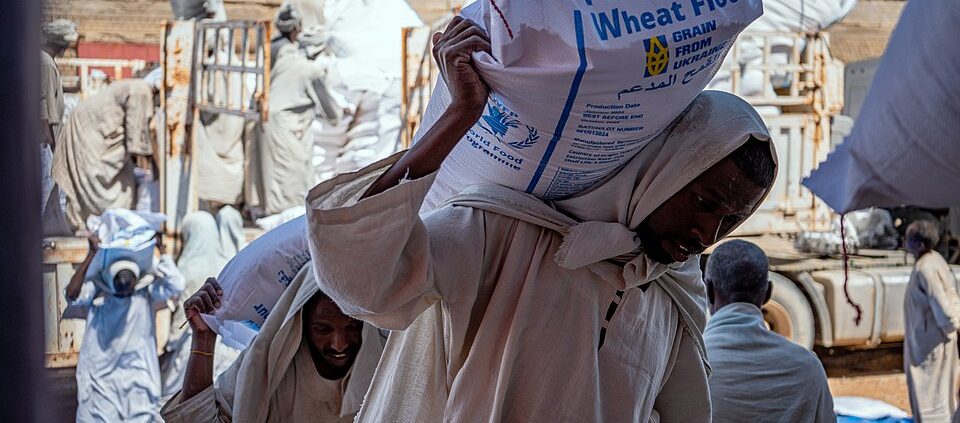 International organizations providing humanitarian aid in Sudan are facing growing restrictions on where they can operate. As a result, local organizations are taking a larger role in delivering assistance, reshaping how aid is delivered.
In 2023, Sudan’s armed conflict created one of the largest humanitarian crises to date, leaving 33.7 million people, 60% of whom are children, in need of humanitarian aid by 2026. The crisis is especially severe in Darfur, Kordofan and Blue Nile, with attacks in crowded areas having unimaginable consequences for civilians. The conflict continues to worsen as Rapid Support Forces threaten a full-scale assault on El Obeid.
Challenges in Delivering Aid
Humanitarian aid in Sudan continues to face severe restrictions despite its importance. Organizations encounter challenges ranging from insufficient funding to bureaucratic constraints, making it difficult for aid to reach those who need it most.
These restrictions also deter humanitarian workers and journalists, limiting access to information.
Local Organizations Step Up
Local organizations have filled the gap created by these restrictions. The country’s Emergency Response Rooms (ERRs) are community-led networks that have emerged as a crucial part of the humanitarian response in Sudan. They have sustained millions of people throughout the conflict.
Built upon local traditions of mutual aid, their efforts in collective action and shared responsibility continue to grow as they provide healthcare, food assistance and education where others cannot reach. Their mission is to fill critical gaps left by the collapsing economy, government restrictions and state institutions in humanitarian aid in Sudan.
Alsanosi Adam, the external communications officer, said, “The spirit of resistance has evolved into local governance and inclusive participation. And when the war ends, we will evolve again, because this is a marathon, not a sprint.”
Ms. Samia’s Community Kitchen in Khartoum exemplifies the work humanitarian aid organizations do in Sudan. Driven by solidarity, longtime businesswoman Samia and her daughter Abeer run a community-led ERR kitchen that provides hot meals to families each morning. By the end of the day, an average of 300 to 400 households receive a hot meal.
International Organizations Persist
International organizations continue to provide humanitarian assistance in Sudan despite severe restrictions and access challenges. Organizations such as Save the Children and the World Food Programme rely on their teams and local staff on the ground to reach communities in need and deliver vital aid.
Helping almost 3.8 million people, Save the Children has provided humanitarian aid in Sudan through health services, drinkable water, sanitation and hygiene services. Meanwhile, the World Food Programme has been forced to prioritize and target the communities where hunger is at its worst; they have managed to reach around 80% of people in the 27 famine and risk-of-famine areas.
Despite the challenges, aid workers and organizations continue to find new ways to reach those who need help most.
– Clara Iglesias Romero
Clara is based in Galicia, Spain and focuses on Politics for The Borgen Project.
Photo: Wikimedia Commons
