How Film Fights Poverty in Brazil
 Brazil has made significant progress in reducing poverty over the last four decades. In 1983, the country had an all-time high poverty rate, with 37.73% of the population living on less than $3.00 per day. By 2024, that figure had fallen to just 3.01%.
Economic Inequality and the Power of Film
Despite this drastic reduction in poverty, Brazil continues to struggle with one of the most severe wealth and income gaps globally. For example, the nation’s six richest men hold a combined wealth equal to that of the poorest 50% of the population. While traditional economic strategies like direct financial aid and trade policy are still essential to addressing this inequality, the power of film is also emerging as a critical tool. For decades, filmmakers have used their creative power to document the emotional realities of poverty in Brazil. They have created a cinematic legacy that directly impacts local economies and highlights necessary social change.
City of God (2002)
Fernando Meirelles’ City of God (2002) brought international attention to the challenges facing residents of Rio de Janeiro’s Cidade de Deus favela. During production, the producers recruited and trained many young people from low-income communities through the theater organization Nós do Morro. This gave many participants their first professional experience in the film industry. Several cast members went on to successful domestic acting careers; a chance at professional acting experience opened doors that had previously been inaccessible due to cycles of poverty in Brazil. Roberta Rodrigues began acting with Nós do Morro at age 16, appearing in City of God when she was 19. Within a year of the film’s release, Rodrigues had been cast in the popular TV Globo telenovela Mulheres Apaixonadas, and has starred in numerous TV shows and movies since then.
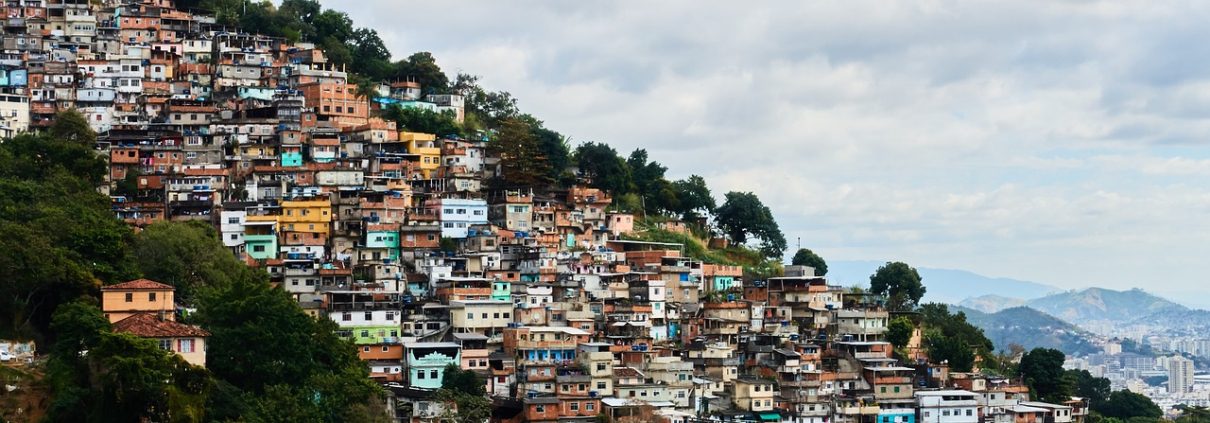
Additionally, the film sparked international interest in Rio’s favelas, or informal, impoverished urban settlements. Favela tourism can create economic opportunities for local businesses and allow travelers to learn more about Brazilian culture. However, this kind of tourism has been criticized for being voyeuristic, with the potential to reinforce negative stereotypes about Brazilians. After the release of City of God, community-run tour companies, restaurants, craft markets and local guides all experienced increased business from visitors. When managed responsibly, this tourism generated income for residents and supported small businesses.
Favela Rising (2005)
This documentary follows community leader Anderson Sá and the AfroReggae organization in Rio’s Vigário Geral favela. In the wake of the 1993 Vigário Geral police massacre, José Junior, one of the founders, pioneered AfroReggae to transform local youth into community leaders.
AfroReggae uses music, dance, theater and vocational training to steer young people away from gangs and toward education and employment opportunities. While this organization already worked to fight poverty in Brazil, the documentary brought international acclaim, attracting new supporters and expanding its reach to other countries, including Colombia and the U.K.
The documentary was recognized at the Tribeca Film Festival, among many other prestigious institutions, and won more than 30 international awards. Due to the documentary’s success, AfroReggae collaborated with well-known artists and public figures, including musicians and actors who contributed to fundraising efforts and awareness campaigns. By connecting audiences around the world with the realities of life inside Brazil’s favelas, Favela Rising showed how filmmaking can strengthen grassroots organizations working to break cycles of poverty.
Waste Land (2010)
The Oscar-nominated film Waste Land produced direct economic benefits to Brazilian people. The film follows Brazilian artist Vik Muniz and his collaboration with catadores, waste pickers who collect recyclable materials at Jardim Gramacho, which was once the world’s largest landfill.
International recognition attracted donations and increased recognition surrounding the tangible contributions of catadores to Brazil’s recycling economy. However, the project generated more than just international recognition; the filmmakers donated over $250,000 of the proceeds directly to the Association of Recycling Pickers of Jardim Gramacho, building homes, improving infrastructure and creating training programs. The documentary helped reduce stigma surrounding waste pickers and highlighted the importance of dignified employment for some of Brazil’s most vulnerable populations.
Looking Ahead
Brazilian cinema shows how film can serve as more than just entertainment. The creativity and innovation of these filmmakers sparked the creation of jobs, strengthened community organizations and funded under-recognized populations.
Although films alone cannot eradicate poverty in Brazil, they can inspire partnerships, philanthropy and economic opportunities that produce long-lasting benefits. In Brazil, filmmaking demonstrates how powerful storytelling can change the world.
– Julia Sanders
Julia is based in Fitchburg, WI, USA and focuses on Good News and Global Health for The Borgen Project.
Photo: Needpix
