Expanding Access to Twice-Yearly HIV Prevention in Eswatini
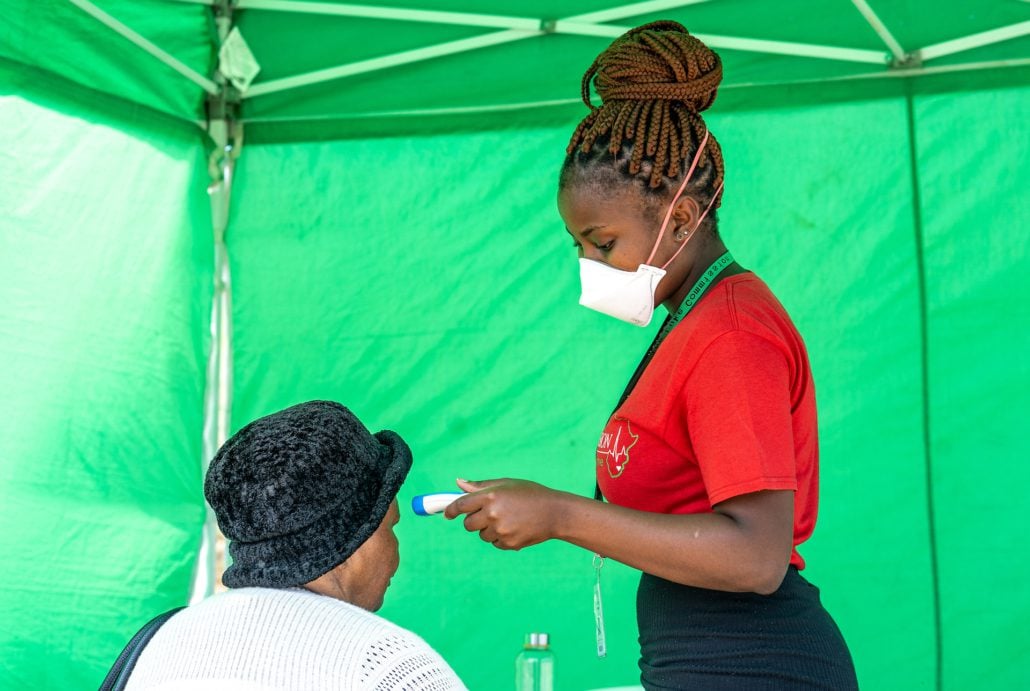
Eswatini is expanding access to lenacapavir, an injectable medication that provides six months of protection against HIV. In December 2025, Eswatini became one of the first African countries to offer the medication as an alternative to daily HIV-prevention pills. The World Bank estimates that 54% of the population lived below the lower-middle income poverty line of $4.20 per day in 2025, measured in 2021 purchasing-power-parity dollars. By reducing the number of doses people must remember, lenacapavir could strengthen HIV prevention in Eswatini and make protection more manageable for people facing financial, geographic or social barriers.
A Continuing Need for Prevention
Eswatini has made considerable progress against HIV. UNAIDS reported that annual new infections declined from approximately 21,000 in 2000 to 4,000 in 2023. Even so, UNAIDS Data 2022 estimated that 27.9% of adults ages 15 to 49 were living with HIV in 2021. The burden is also unequal. According to UNAIDS, HIV prevalence among young women and girls ages 15 to 24 was 70% higher than among young men in the same age group in 2023. These disparities demonstrate why expanding HIV prevention in Eswatini remains important, particularly for women and young people.
How Lenacapavir Works
Lenacapavir is a form of pre-exposure prophylaxis, commonly known as PrEP, that helps prevent HIV in people who do not have the virus but may be at risk of exposure. Clinical trials found the medication to be highly effective, leading the World Health Organization to recommend it for HIV prevention in July 2025. Unlike oral PrEP, which is generally taken every day, lenacapavir is administered by injection once every six months. This schedule may help people who have difficulty taking or privately storing daily medication because of transportation barriers, unstable living conditions or fear of HIV-related stigma.
Introducing Lenacapavir Across Eswatini
Eswatini began offering lenacapavir in December 2025 through five clinics located across all four regions of the country. The Ministry of Health, the Global Fund and other partners support the rollout. In fewer than four months, approximately 2,750 people received the injection. The government and its partners aim to expand access to 204 health facilities across the country by the end of 2027. This expansion could bring the medication closer to low-income residents who may face transportation costs or lose income when traveling long distances for health care.
Expanding Choice for Women and Young People
Lenacapavir may be particularly valuable for women and young people who face stigma or unequal power within their relationships. Some people may find it difficult to store daily PrEP pills privately, while others may be unable to negotiate condom use with a partner. Because the injection is administered only twice per year, it could provide a discreet option that does not require medication to be taken at home every day. Offering several prevention methods allows individuals to select the option that best fits their circumstances and may help more people remain protected over time.
Partnerships Supporting Access
Eswatini’s rollout is part of a broader partnership between national governments, the Global Fund, the U.S. government and the Children’s Investment Fund Foundation. In April 2026, the Global Fund and the United States expanded their commitment to long-acting HIV prevention, establishing a joint goal of providing lenacapavir to 3 million people by 2028. The Global Fund is also working with manufacturers to increase the supply of more affordable generic versions. These efforts could help prevent the cost of the medication from limiting access in Eswatini and other countries where communities with the greatest need often have the fewest health care resources.
Looking Ahead
Eswatini’s lenacapavir rollout is still in its early stages, and its long-term effect on new infections will depend on reliable funding, public awareness and continued access through local clinics. However, the strong early participation and planned expansion to more health facilities offer encouraging signs. By giving people a highly effective alternative to daily medication, the program could help reach individuals who have not previously used PrEP. Continued investment in HIV prevention in Eswatini may protect more people while helping the country move closer to ending HIV as a public health threat.
– Jessica Miller
Jessica is based in Toronto, Ohio Jefferson County, USA and focuses on Global Health for The Borgen Project.
Photo: Flickr
