Addressing Food Insecurity in Urban Slums
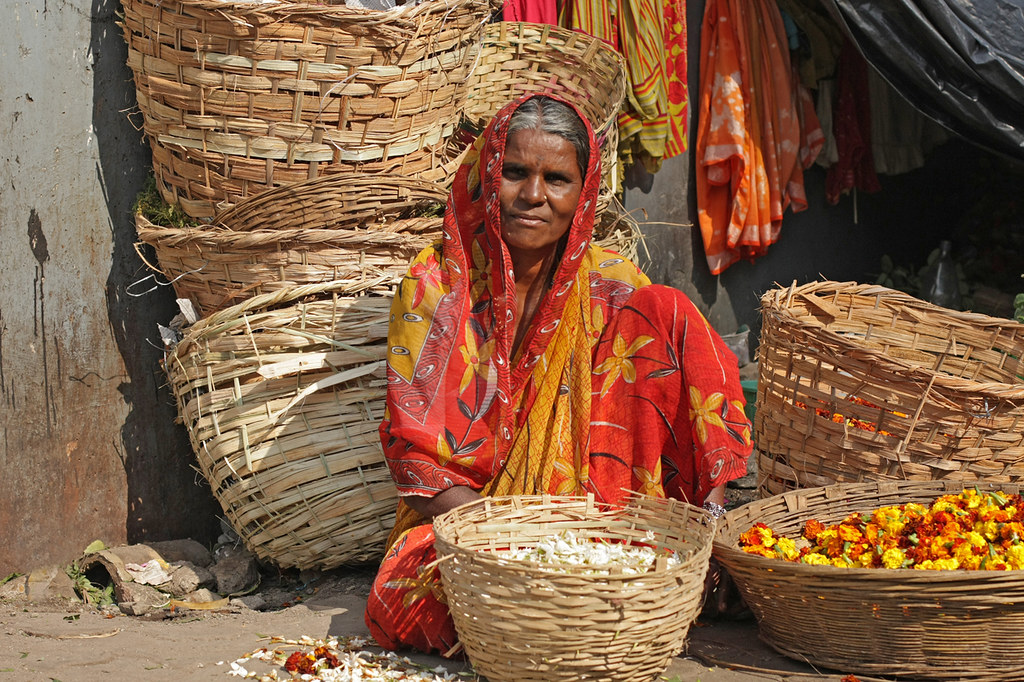
Within the bustling landscapes of urban centers, where towering skyscrapers stand as symbols of progress, lies a stark reality that often goes unnoticed: the prevalence of food insecurity within urban slums. While cities may represent economic growth and technological advancements, they also encapsulate the struggles of marginalized populations residing in the shadows of affluence. This article aims to shed light on the complex issue of food insecurity in urban slums, exploring the challenges faced by these communities and examining innovative strategies aimed at providing sustenance and hope.
Food Insecurity in Urban Slums
- Limited Resources: Urban slums are characterized by densely populated areas with inadequate infrastructure and services. Access to essential resources, including nutritious food, remains a constant challenge for slum dwellers. Many families end up having to allocate a significant portion of their meager income to securing basic sustenance.
- High Food Prices: The cost of food within urban areas often surpasses the financial capacity of slum residents. The disparity between income and food prices leaves families with difficult choices, often sacrificing nutritional quality in favor of affordability.
- Inadequate Nutritional Intake: Food insecurity extends beyond the lack of quantity; it encompasses the lack of nutritional quality. Many urban slum residents struggle to access a diverse range of fresh and nutritious foods, leading to malnutrition and health issues, particularly among children.
- Unstable Livelihoods: Informal and irregular employment is common in urban slums. These unstable livelihoods lead to uncertain income streams, making it difficult to consistently secure food for families, further exacerbating food insecurity.
Innovative Strategies for Addressing Food Insecurity
- Urban Agriculture: Initiatives promoting urban agriculture empower slum communities to cultivate their own food. Rooftop gardens, community plots and vertical farming offer solutions for growing fresh produce within limited urban spaces, increasing food access and dietary diversity.
- Mobile Markets and Food Vans: Mobile markets and food vans can act as lifelines, bringing affordable and nutritious food directly to urban slums. These mobile units eliminate the need for residents to travel long distances, bridging the gap between food sources and consumers.
- Community Kitchens: Establishing communal kitchens or community-based food cooperatives can enable cost-effective bulk purchasing of ingredients and shared cooking facilities. This approach ensures that even those without cooking facilities can access cooked meals.
- Food Banks and Surplus Redistribution: Collaborations with food banks and surplus food redistribution programs redirect excess food from businesses and markets to vulnerable urban slum populations. This not only reduces food waste but also addresses food insecurity.
- Nutrition Education: Providing nutrition education workshops equips slum residents with essential knowledge on making nutritious choices with limited resources. Education empowers individuals to maximize the impact of the available food on their health.
- Social Safety Nets: Government-funded social safety net programs, such as conditional cash transfers or food vouchers, offer financial assistance to slum dwellers. These programs bridge the economic gap, allowing families to afford essential food items.
Conclusion
The specter of food insecurity looms large within urban slums, casting a shadow over the aspirations and dreams of countless individuals and families. Yet, innovative strategies can dispel the darkness. Urban agriculture, mobile markets, community kitchens, surplus redistribution, nutrition education and social safety nets offer rays of hope to those living in the shadows.
Food security is not only a basic human right but a fundamental building block for healthy lives and thriving communities. Collaborative efforts between local governments, non-profit organizations, businesses and empowered communities are crucial in implementing and sustaining these strategies. By collectively working towards addressing food insecurity, we can illuminate the path to a future where urban slum residents can step out of the shadows and into a life filled with sustenance, dignity and opportunity.
– Mihir Naik
Photo: Flickr
