5 Facts About Poverty in Comoros
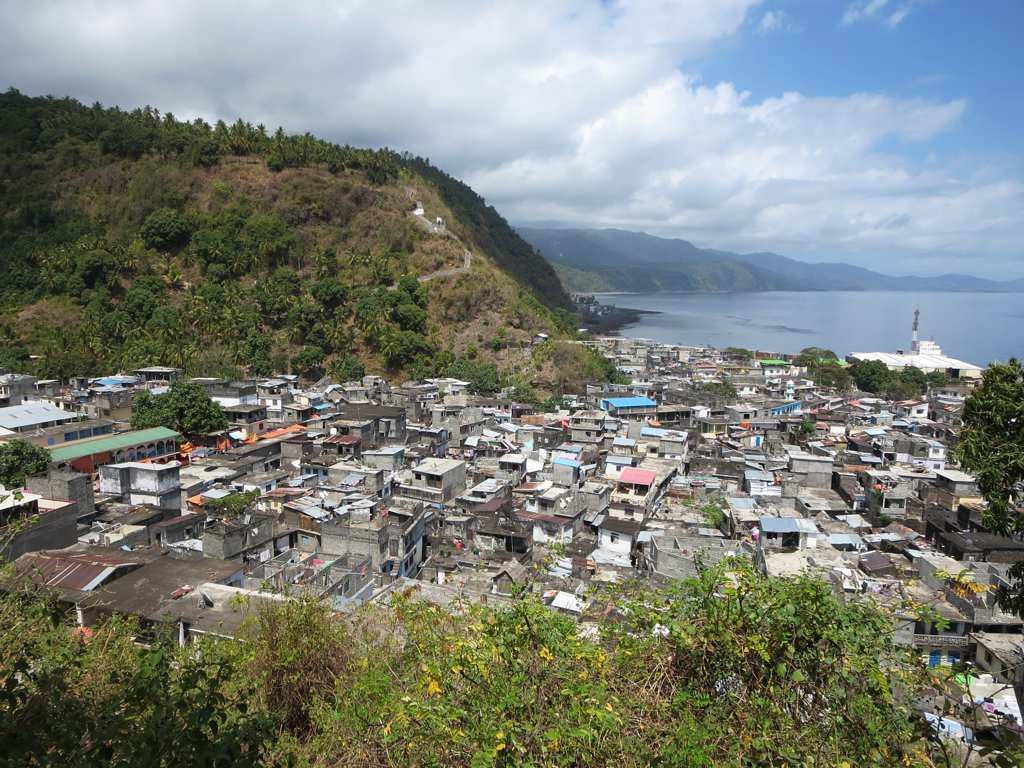
Comoros is a group of three volcanic islands located between Africa and Madagascar with a population of just above 800,000. Mount Karthala, which is located on the island of Ngazidja and the bigger of the two active volcanoes in Comoros, has frequent eruptions. The last largest eruption took place in 2005 and caused thousands of citizens to flee. Here are five facts about poverty in Comoros.
5 Facts About Poverty in Comoros
- Limited Economic and Trade Opportunities – Comoros relies heavily on its exported goods. The three main crops that are important to the country’s economy are vanilla, cloves and ylang-ylang, all of which people use for perfume essence and essential oils. Most of the earnings from these crops go towards natural disasters that occur regularly, primarily fires and severe weather.
- Rapid Population Growth – The population has steadily been growing since the 1970s. There are approximately four births to every one death. According to the World Population Review, the average adult woman has about 4.7 babies. The population should continue rising at an even pace.
- High Dropout Rates – Comoros has access to two different types of schools; the primary and secondary school system that France established and the traditional Islamic school system. Despite access to an education program, the dropout rate is continuing to steadily rise. Causes of this rate are teacher strikes from lack of proper pay, student strikes from the continuous school shutdowns and political instability. Students who do finish school and obtain a higher education typically do so in another country and do not return after.
- Inadequate Health Care Access – Comoros lacks a public health care system. Despite this, the country has been able to keep many of its illness rates low, including HIV and tuberculosis. Many believe that access to clean water that is available to more than 90% of the country contributed to this. The highest cause of death in Comoros is malnutrition which caused nearly 45.1% of deaths between 2007 and 2017.
- Lack of Natural Resources – Deforestation is causing the natural forests to decrease due to the lack of re-growing trees. With the increase in population, agricultural lands have less time to regenerate and food sources are declining as a result. These factors and changing weather patterns are affecting natural resources in Comoros at a rapid pace leaving the country in a vulnerable state. Heavy rains and a decline in forest protection are causing floods and landslides, which cause more damage to already weakening agricultural fields. It also causes soil erosion to silt the coral reefs and disturbs the marine life ecosystem and the livelihood of fishing due to fish being Comoros’ main source of protein.
Solutions
In studying poverty in Comoros, not everything is bad. An NGO called Dahari stemmed from the Engagement for Sustainable Development (ECDD) in 2013 and has since been working in the Comoros islands to provide sustainable agriculture and technology to farmers and increase environmental protection. It provides aid towards controlling the environmental factors, shaping landscapes for future generations and increasing the economy. The organization also uses ecotourism to help manage marine life and natural terrestrial resources. Dahari works closely with local communities to achieve peaceful collaboration and help adapt locals to the new technologies and ways they can increase their agricultural development.
The Comoros government continues to work towards its country’s improvement. Despite its efforts, these five facts about poverty in Comoros show that the rapid rise in population and ecosystem decline that changing weather patterns caused continues to affect the country’s efforts to climb out of poverty. With much-needed help, Comoros can work towards rising out of poverty and work towards becoming a resilient and prosperous country.
– Chelsea Wolfe
Photo: Flickr
