Facts About Child Marriage in Jamaica
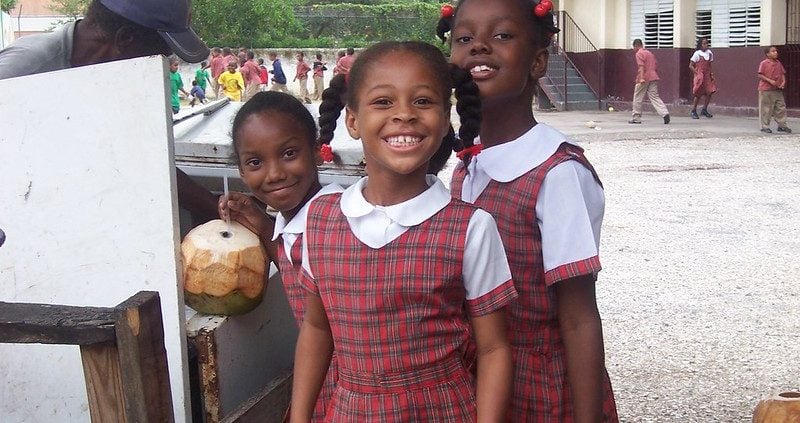 One in four girls across the Caribbean marry or enter early unions before the age of 18. This highlights the widespread impact child marriage continues to have on education, health and economic opportunity throughout the region. In Jamaica, the issue remains significant, yet there is commitment to combating it. Child marriage also contributes to cycles of poverty by increasing the likelihood that girls leave school early, limiting future employment opportunities and long-term economic stability.
A study from United Nations Population Fund (UNFPA) Caribbean explains that women and girls who marry at 18 or younger are more likely to experience physical or sexual intimate partner violence (IPV) in their lifetime. According to the study, 47% of women and girls married at 18 or below experience IPV.
Child Marriage in Jamaica by the Numbers
Under the Marriage Act 1979, the minimum legal age of marriage is 18 years old. With parental consent, individuals can marry at 16 years old. According to Girls Not Brides, 14,700 girls and women in Jamaica marry by the age of 15, while 102,900 marry before the age of 18.
Gender inequality drives child, early, and forced marriage and unions (CEFMU). Poverty, education levels and religion all influence CEFMU in Jamaica. Around 15% of women from Jamaica’s poorest households married or entered a union before the age of 18, compared to 4% from the richest households. Approximately 11% of women with no education or primary education married or entered a union as children, compared to only 3% who had completed tertiary education. These disparities demonstrate how child marriage and poverty reinforce one another. Limited education reduces future employment opportunities, while poverty increases the likelihood of early marriage.
How Jamaica Is Working to End Child Marriage
Jamaica has committed to ending child, early and forced marriage by 2030. The country has adopted several child-friendly policies to protect children and strengthen families. Jamaica has established several initiatives, including the Office of the Children’s Advocate, a commission of parliament that enforces and protects children’s rights. The Office of the Children’s Advocate investigates complaints involving children’s rights, monitors government agencies and advocates for stronger protections for children across Jamaica. The Ministry of Education launched the National Plan of Action for an Integrated Response to Children and Violence in 2019. It aims to address violence against children, child abuse and maltreatment of children over a five-year period. Together, these initiatives help strengthen child protection systems and increase awareness of children’s rights to reduce risks that contribute to child marriage.
Jamaica’s Commitment to Protecting Girls
Jamaica is one of several Latin America and Caribbean countries to ratify a key human rights convention to reinforce the need for action on this issue. Jamaica ratified the Convention for the Elimination of All Forms of Discrimination Against Women (CEDAW) and the Convention on the Rights of the Child (CRC). Through these treaties, the country has committed to improving laws, policies and programs that promote gender equality and protect children.
For young girls and women, child marriage can have devastating consequences such as health challenges and interrupted education. Early pregnancies are common in these situations and can lead to complications and health issues for both the mother and child. Many girls leave school after they marry. This limits their future opportunities and makes it more difficult to escape poverty or achieve long-term financial stability.
Awareness campaigns play a crucial role in educating communities about the significance of safeguarding children’s rights. Including local leaders to shift perceptions and beliefs on the incidence of child marriage and early unions can uproot change. Providing girls with educational access also empowers them to make informed decisions about their futures. These efforts help keep girls in school, expand future economic opportunities and reduce the conditions that contribute to poverty.
The Power of Advocacy
Activists play a substantial role in combating child marriage and early unions. The voices of those advocating for the rights of young women and girls create movements leading to change. Listening to those affected and amplifying their voices is just one step toward major change.
Child marriage and early unions are a violation of human rights. Continuing efforts to combat this issue in Jamaica are underway, but the fight continues. Every year, thousands of girls in Jamaica enter marriage or informal unions before turning 18, putting their education, health and future opportunities at risk. Jamaica can build on the progress it has already made to protect girls and strengthen communities by working together and prioritizing the rights of Jamaican children and families. Every child deserves the opportunity to grow up free from the fear of early marriage, complete their education and pursue a future free from poverty.
– India Hairston
India is based in Malvern, PA, USA and focuses on Good News, and Politics for The Borgen Project.
Photo: Flickr
