How The Hunger Project Is Empowering Women in Rural India
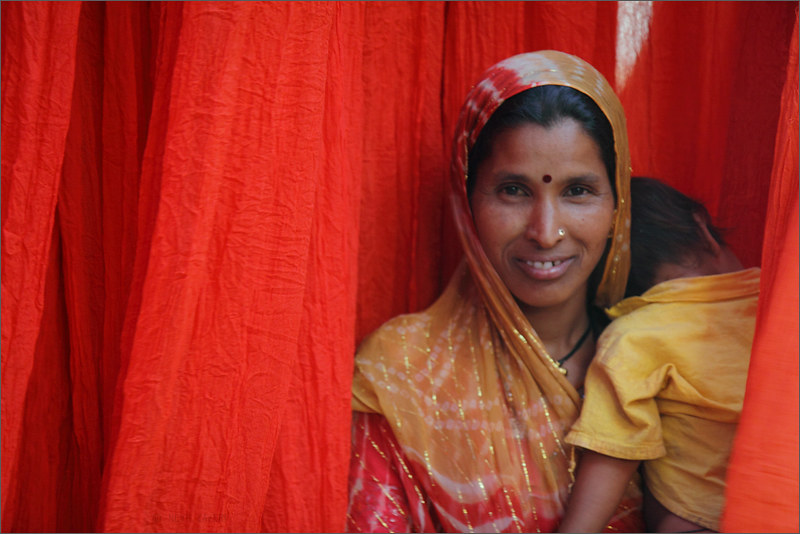 India is a fast-growing country, with an economy predicted to become the world’s third-largest by 2027. Despite its rapid development, the country remains behind in closing the gender gap. Deep-rooted social norms and cultural barriers limit many women and girls, who face inequality in their daily lives, from classrooms to homes. This cycle perpetuates negative stereotypes and prevents Indian girls from achieving their full potential.
Empowering Women in Rural India
The patriarchal social structures embedded in Indian culture push women to focus on domestic responsibilities. As a result, many women feel pressure to prioritize child-rearing and marriage over education and employment. This is especially apparent in rural areas and marginalized communities.
The inequalities that women face extend beyond their homes and are reflected in both public and private sectors. Representation in ministerial positions is critical to advancing gender-sensitive policymaking. As of 2025, women hold about 10% of seats in parliament or legislative assemblies.
Their limited representation in policymaking makes it difficult to pass legislation that supports their interests. The following statistics highlight key issues:
- The adult literacy rate for women is 13.4 percentage points lower than for men, with 74.9% of women literate compared to 88.3% of men in India.
- 14 of every 1,000 girls ages 15 to 19 gave birth in India in 2023.
- As of 2025, the labor participation rate for women is 32.4% compared to 77.6% for men.
Although the gap between women and men across education, safety and economic participation is slowly closing, a significant disparity remains that stems from structures historically dominated by men.
The Hunger Project India
To address these disparities, The Hunger Project India works to encourage women to take on decision-making roles through community-based programs and leadership training. The organization focuses on building and strengthening women’s leadership skills in local governance, particularly gram panchayats, or village councils, and expanding access for the most vulnerable and marginalized communities to education, health, nutrition and economic opportunities.
The organization recognizes that meaningful change starts at the community level. The Hunger Project is empowering women in public office to drive development through a social justice and gender lens and to create an enabling environment for adolescent girls to build their confidence, life skills and understanding of the structural barriers that affect their lives.
The program encourages girls to use their voices to claim their rights, negotiate for change and make informed decisions about their lives. By empowering women to take on leadership positions, the program helps create role models for young girls in their communities. Women holding these government positions also advocate against child marriage and encourage young girls to strive for independence.
Through intergenerational dialogue, women who have experienced the barriers created by restrictive practices can inform and educate younger women.
Program Successes
Many women have been successful through these programs. Shakuntala Devi is an elected woman representative from Malipokhar Bhinda, Bihar. She endured child marriage and spent much of her life providing for six children. In her leadership role, she now works to combat child marriage by promoting education. She aims to “educate all the girls in her village,” as she believes “we can truly stop child marriage if we educate and empower adolescent girls.”
In addition to supporting elected women representatives, The Hunger Project works directly with adolescent girls to build their voice and agency through life skills and girls’ leadership workshops.
The organization also spoke with The Borgen Project about the broader narrative around gender equity. A representative noted that women and girls are often seen as means to an end, with development frameworks placing a disproportionate burden on them to drive change for entire communities. To create sustainable change, responsibility must shift from the individual level to address the broader structural issues that shape the system. This requires engagement at multiple levels, including panchayat institutions, families and the larger community.
Looking Ahead
India’s path toward gender equality will depend on two major factors: investment in women’s education and a willingness to address the social barriers that limit women’s opportunities. The initiatives led by The Hunger Project India demonstrate the action needed to change the narrative surrounding women’s rights in India. Through consistent efforts and a community-level approach, the organization is gradually contributing to shifts in cultural norms that are empowering women in rural India.
– Sachin Kapoor
Sachin is based in Atlanta, GA, USA and focuses on Technology and Solutions for The Borgen Project.
Photo: Flickr
