Disability and Poverty in the Philippines
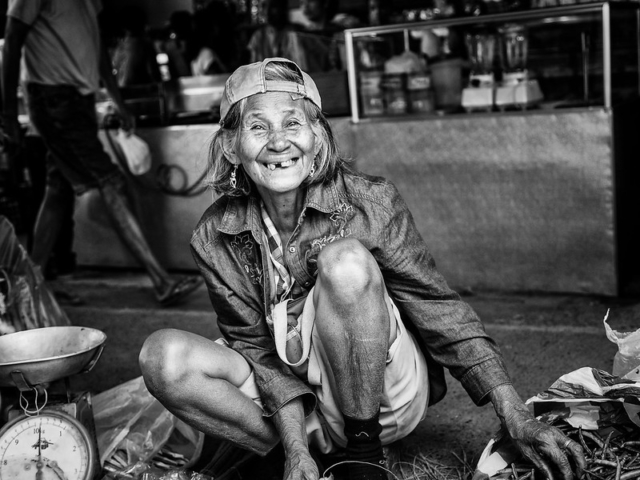
In the Philippines, mental health problems for those who are disabled have recently skyrocketed. As COVID-19 spread, disabled citizens living in the Philippines suffered from a lack of treatment and heightened health concerns. Furthermore, inequality rose, as there was a lack of healthcare data to help inform and protect the disabled. Disability and poverty in the Philippines are connected. Fortunately, the government is taking steps to help the disabled communities of the Philippines, with the hopes of decreasing poverty and increasing protection.
Poverty and Disability
Approximately 15% of the world’s population experiences a form of disability. In the Philippines, the 2016 National Disability Prevalence Survey (NDPS) revealed that 12% of Filipinos 15 and older suffer from severe disabilities. Furthermore, 47% of people have moderate conditions and 23% have mild disabilities. Compared to the global average, these rates are high. In part, this is due to the fact that developing countries are more likely to have a higher prevalence of disabilities.
COVID-19 had a major impact on the accessibility of healthcare for the disabled. The pandemic placed limits on those who needed sign language interpreters, braille translation and handicap services. Those with medical disabilities needed to be extra cautious as to not endanger themselves by contracting COVID-19. In many cases, poverty in the Philippines is related to disability. The disabled face a higher likelihood of poverty and lower rates of education, health and employment. Those with a secure job may also receive less pay than non-disabled persons despite the funds necessary for living with a disability.
Financial Support
In response to the COVID-19 pandemic, financial support is being provided to people with disabilities in the Philippines. In Cebu City, the government provided financial aid in the form of income, supplies and resources in May 2021. Essentials such as wheelchairs, hearing aids and medicine were given to eligible people in need. Each household received P5,000 in monetary assistance, covering January to May of 2021, a period of time where no income was given.
Josh Maglasang is one example of the program’s success. As someone with a disability, he expressed his happiness and relief regarding the recent financial assistance. He acknowledged that monthly payments will help him cover medical costs. Moreover, he was specifically grateful to receive the overdue assistance. Recent exposure to poverty in the Philippines is helping initiatives such as this one pass.
Government Measures
Disability legislation has aided the disabled in the Philippines for many years. The Magna Carta for Disabled Persons Act was passed in 2007, allowing all disabled citizens to receive a minimum 20% discount from stores and services. Dental and medical care, hotels, theater and travel are all included in this coverage.
Furthermore, in regards to education, the disabled have the right to primary, secondary and all higher levels of schooling, with the proper financial assistance granted. This comes in the form of aid packages, scholarships, full coverage and book and supply financing. For those who are physically or mentally unable to work, rights to benefits from the Social Security System (SSS) and Government Service Insurance System (GSIS) are provided.
In light of the COVID-19 pandemic, disability aid is particularly relevant. Regarding disability and poverty in the Philippines, providing care and support for disabled citizens will make a major difference in the success of the country. Strengthening the Mental Health Act is necessary to improve the quality of life for those who are disabled. Recent improvements in medical support, therapy and pandemic relief mark the beginning of helping those in need.
– Selena Soto
Photo: Flickr
