Coconut Water: Re-Hydrating Life in Asia
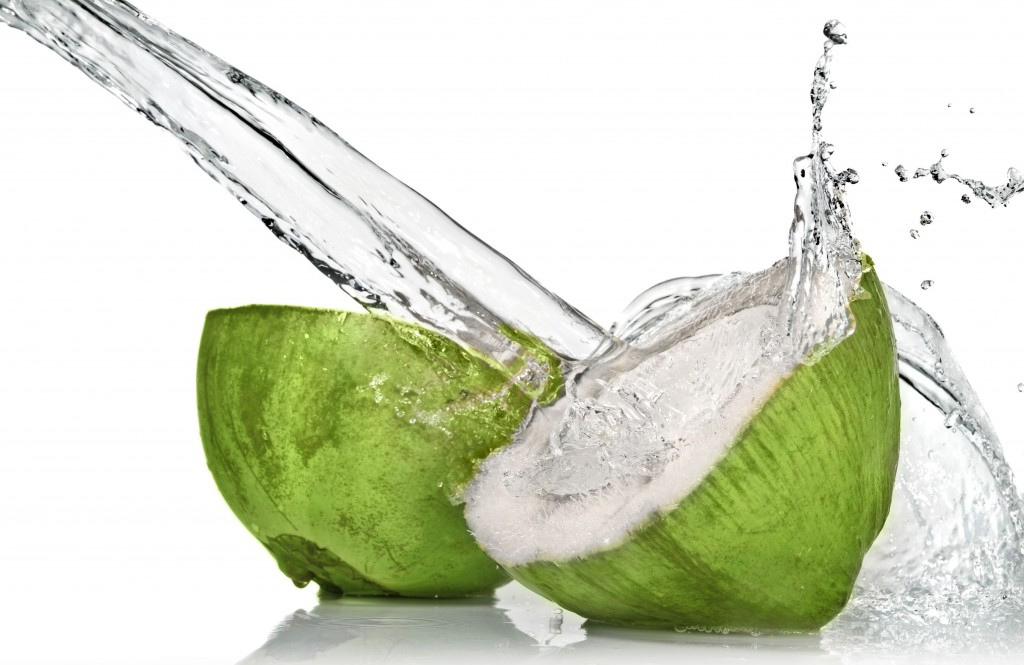
For centuries, natives of Southeast Asia have been drinking coconut water, paying a mere 30 rupees — the equivalent of 50 cents in the United States — for a fresh coconut filled to the top with juice. Asian families have been cooking with coconuts for centuries and have perfected dishes, oils and powders, making it a staple in any Southeast Asian household. However, over the past five years, coconut products have entered the homes of people in the Western world as well.
It is no secret that coconut water and all coconut products in general have several added health benefits. With the increasing fight against sugary drinks and fattening foods, it appears as though coconut products are here to stay.
Farmers throughout Asia and South America have been attempting to support the high demands of the ever-increasing market. Much of the issue they faced in the beginning was a lack of technology. For many years, farmers simply threw away the water from the center of the coconut and used the pulp to make coconut milk. There was never a specific kind of technology to extract the water from a coconut without letting the water become rancid and without causing issues with the pulp of the coconut. Now, with the help of major companies like Pepsi Co and Coca-Cola, many farmers now have the technology to utilize all parts of the coconut, including the water. Although most of the farms are owned by small families, major companies are still able to use the coconut water as long as enough of the profit is given to the farmer.
Another issue many farmers face is the long growing period for coconut trees. The average time it takes for a coconut tree to begin producing fruit is five years, and with the popularity of the products, it has become very difficult for farmers to produce enough coconuts to keep up with the growing demand. Over the past few years, the demand for coconut products has risen over 400 percent in the Philippines alone. Luckily, with the help of corporations who are heavily invested in the production of coconuts, farmers are being given new seeds which are thought to allow the trees to grow faster. While this is still in the testing phase, it may prove to be very beneficial for poor farmers who are not making enough money to support their families with current crop yields.
Current market expectations imply that coconut water is sure to continue to be a grand success. Coconut farmers have been attempting to expand their fields, thus preventing large corporations from getting overly involved and misusing land. This spike in the industry will provide a steady income to poor families, which in turn will raise their standard of living. Such development may allow children to get better educations as technology increases and may eventually raise an entire farming population from an impoverished lifestyle to a better one. Thanks to people’s ever-increasing quest for healthy options, yesterday’s trash has become today’s treasure.
– Sumita Tellakat
