Poverty, Natural Disasters and Climate Migration in Central Asia
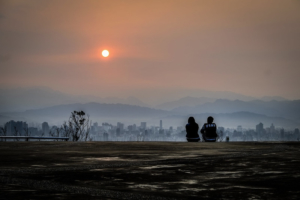
About 1% of the world lives in a climate hot zone, causing a concerning rise of climate migration in Central Asia. According to the World Bank, an increase in natural disasters could force 216 million people to migrate within their own countries by 2050. The increased probability of extreme climate patterns and climate migration leads to a bevy of other problems, including poverty. Severe weather events disproportionally disrupt already impoverished areas. Rural communities typically depend on agriculture and suffer the most devastation when extreme weather ravages their industry, income and assets. These people groups decide to move due to the increase in extreme weather patterns, creating a phenomenon called climate migration.
Natural Disasters in Central Asia
Within Central Asia, the majority of the population lives in rural areas. Agriculture accounts for about 10% to 45% of the country’s gross domestic product (GDP) and roughly 20% to 50% of the labor force. With the government failing to respond to the natural disasters in these areas, many have resorted to migrating for less volatile work. All Central Asian countries are experiencing similar impacts from inclement weather and an increase in natural disasters. Land degradation, water stress and desertification could continue worsening. In turn, this will lead many people in affected areas to migrate and lead to an increase in poverty. Luckily, Uzbekistan may be paving a way to mitigate the factors leading to climate migration and poverty.
Uzbekistan: Taking the Lead
Experts consider Uzbekistan one of the most water-stressed countries due to its position near the Gobi Desert. Droughts and other extreme weather are leading to limited water resources and land degradation. This impacts the agriculture industry significantly, particularly in impoverished communities. As of 2019, 11% of the population in Uzbekistan lived below the national poverty line. Similar to other Central Asian countries, rural citizens are migrating to urban areas to avoid agriculturally-devastating weather disasters and to better themselves economically. As a result, new figures are estimated to reach 200,000 displaced migrants and climate refugees, more than triple the amount in 2018. However, a recent policy dialogue in Uzbekistan seeks to combat severe weather consequences by accelerating the transition to a green economy.
Uzbekistan may be the first Central Asian country to strive for solutions. As such, it could become a leader in the region to fix the climate migration and poverty issues. In August 2021, the Uzbekistan government launched a series called Green Growth and Climate Change that will continue to accelerate the country’s transition to a green economy. The group includes government representatives, policymakers, environmental experts and civil society members seeking to mitigate the area’s vulnerability to weather events. The Uzbekistan government also outlined its goals and priorities in the Climate Change Strategy 2021-2023. A large portion of this strategy is to mitigate and adapt to the increase in severe weather patterns. Additionally, it underlines the importance of assisting those considering climate migration to make good decisions about whether to stay or move to where they would be less vulnerable.
Latest Suggestions from the World Bank
A Lead Environmental Research team from the World Bank evaluated climate migration and its consequences. Specifically, it used a multi-dimensional modeling approach, looking at three potential severe weather and development scenarios. The results showed that “Without the right planning and support, people migrating from rural areas into cities could be facing new and even more dangerous risks.” These new risks include scarce resources, such as food and housing depending on the area.
The study recommends the following actions to assist climate migration in Central Asia:
- Lessen climate pressure on individuals and livelihoods, leading to a reduction in overall climate migration.
- Consider the entire cycle of climate migration (before, during and after migration) to prevent risks that may arise.
- Invest in studies to improve each country’s understanding of its climate migration trends.
Paving the Way
Uzbekistan is definitely on the right course in drawing attention to severe weather patterns impacting poverty and climate migration in Central Asia. Its government is just beginning to dive into solving these serious problems, but the measures it is taking are encouraging.
– Alex Mauthe
Photo: Flickr
