What You Need to Know about Child Marriage in Iraqi Kurdistan
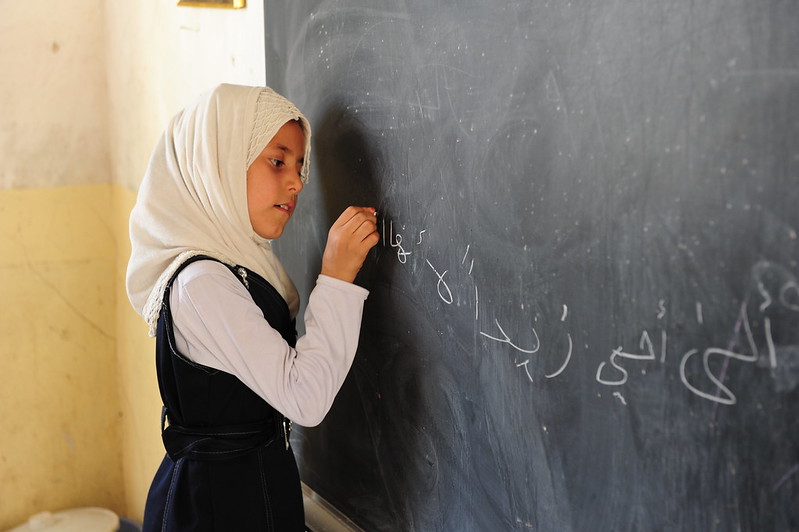 Child marriage remains a significant issue in the Iraqi Kurdistan region. It occurs in regions where poverty is prevalent, such as India, Africa and the Middle East. Campaigns and legislative frameworks have been implemented to combat the issue.
Prevalence
Data from Iraq’s Central Bureau of Statistics showed that 5% of Iraqi girls were married before the age of 15, while approximately 22% of Iraqi girls married before they turned 18. Child marriage contracts in the Kurdistan region are often concluded informally outside the courts. The marriages are not formally registered, leading to the underreporting of actual rates. There are international legal instruments and local laws that set a minimum age for marriage and require registration. However, enforcement of these laws is often weak. This allows informal marriages to occur without legal repercussions.
Key Drivers of Child Marriage
Several factors contribute to child marriage in Iraqi Kurdistan.
- Conflict and Displacement: Conflict and displacement exacerbate vulnerabilities, leading families to marry off daughters to reduce economic burdens.
- Cultural and Social Norms: Traditional beliefs and social pressures can impact this. Some communities may view early marriage as ensuring their daughter’s future and protecting her family’s honor.
- Gender inequalities: Deep-rooted gender inequality and gender biases subordinate the status of women and girls in societies that perpetuate the practices.
Risks of Child Marriage
Young girls who marry as children face numerous risks. They are vulnerable to health issues as a consequence of rape, early pregnancy and premature childbirth. Psychologically, they may suffer from social isolation enforced by their families and domestic violence. Despite legal measures, violence and rape remain prevalent in child marriages due to inadequate official responses.
In Iraq, although rape is criminalized, charges can be dropped if the victim marries the perpetrator. Moreover, since spousal rape is not criminalized, domestic violence is seldom reported, with families often resolving issues privately.
Legal Contexts
“The Personal Status Law and Amendments 1987 sets the legal age for marriage at 18”. However, judges can permit girls as young as 15 to marry under certain circumstances, for example, parental consent if the marriage is deemed as being in the best interests of the girl. This contributes to the prevalence of child marriage in the region. Proposed bill changes to Iraq’s Personal Status Law recently alarmed women and children’s rights campaigners.
The proposed amendments would allow Muslim citizens to choose between secular and religious laws for family matters, potentially legalizing child marriage for girls as young as 9. Furthermore, these amendments would undermine existing protections for women regarding divorce and inheritance. These changes could institutionalize sectarianism in family law and empower religious authorities, raising significant concerns among women and children’s rights advocates. On July 28, 2024, a group of activists, including campaigners from the Organization of Women’s Freedom in Iraq (OWFI), gathered in Baghdad’s Tahrir Square in opposition to the bill.
Actions Taken
In 2016, an Inter-Ministerial committee in Kurdistan adopted a plan to change societal attitudes toward child marriage. The plan included launching a campaign called “Ensuring My Future.” The campaign emphasized the direct link between empowering young boys and girls and reducing child marriage rates. It also challenged the misconception that child marriage secures a girl’s future. The plan targets young girls, adolescent girls and parents by showcasing success stories of women in various professional fields to inspire girls to pursue education and careers. Additionally, religious and health arguments are used to persuade families to abandon the practice of marrying their daughters at a young age.
A Child Marriage Task Force was established in Kurdistan in 2016. The task force has representation from child protection and gender-based violence working groups to coordinate responses and provide guidance. It focuses on prevention strategies, policy recommendations, awareness raising, and improving data collection to address the issue in the region effectively.
There is also an increased collaboration between international organizations, local nongovernmental organizations and government bodies to address child marriage. Initiatives like the Global Programme to End Child Marriage, implemented by the United Nations Population Fund and the United Nations Children’s Fund (UNICEF), are working to create sustainable change by addressing the root causes of child marriage and supporting affected girls.
These include a comprehensive approach that empowers girls with education and life skills. Furthermore, it engages communities to challenge harmful norms, strengthens support systems and services, advocates for protective policies, and emphasizes data collection. UNICEF has reported that the collaborative efforts of various organizations fighting against child marriage, including Girls Not Brides, have successfully averted 25 million arranged child marriages.
Final Remark
Progress has been made to eradicate child marriage in Iraqi Kurdistan. However, continued efforts are needed to empower girls and shift societal norms to ensure a future where every child can enjoy their right to a safe and fulfilling childhood.
– Hannah Ravariere
Hannah is based in London, UK and focuses on Politics for The Borgen Project.
Photo: Flickr
