Cataclysmic Flooding in Pakistan
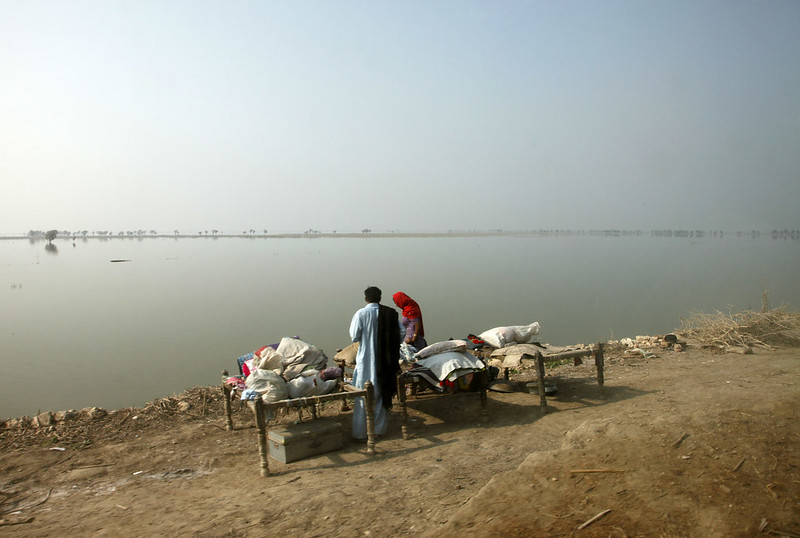 Pakistan experiences a yearly monsoon season typically beginning in mid-June and lasting until late August. An abnormally extreme monsoon season in 2022, primarily affecting the Sindh, Balochistan and Khyber Pakhtunkhwa provinces, has led to torrential rainfall. This 2022 rainfall has led to disastrous flooding in Pakistan, reportedly killing at least 1,700 and displacing 7.9 million.
As living conditions rapidly decline for those in the most heavily affected regions, the people that have been historically discriminated against receive the most serious repercussions. The provinces hit hardest by the flooding were housing an estimated 800,000 Afghan refugees. Given the falling value of their currency, coupled with the destruction of their homes and schools, many in most affected areas, 70% of which are women and children, have no options to reconstruct their lives, UNICEF reports. Waterborne diseases are raising concerns in these areas, as many are unable to leave despite the destruction.
Why Does This Keep Happening?
Global climate change was not the only factor that led to the flooding, nor was this the first instance of extreme flooding in Pakistan’s recent history. In 2010, Pakistan experienced similarly extreme flooding. Since then, Pakistan has done little to reinforce its natural disaster prevention infrastructure and on top of this, Pakistan faces an imminent economic crisis. The inflation rate in Pakistan approached 27% in August 2022 and the Pakistani rupee crashed, causing Pakistan to require aid from wealthier countries to pay for the immense amount of damage caused by the flooding.
Solutions
The UNHCR is spearheading the efforts to provide tents, blankets and other necessities to those affected most by the flooding in Pakistan. In September 2022, the UNHCR delivered over 10,000 metric tons of goods to those affected, with a special focus on the Afghan refugees. Additionally, UNHCR ran rapid needs assessments with the aid of the Pakistani government, along with mobilizing female-centered support, as women and children are among the most affected by the floods.
In addition to the UNHCR, the U.N. World Food Programme (WFP) has been working to provide food to those Pakastani flood victims, including those in relief camps. The WFP has “reached more than 400,000 people with food assistance in Balochistan, Khyber Pakhtunkhwa and Sindh provinces.” The WFP has also provided especially nutritious food to children and pregnant women in an effort to push back against increasing levels of malnutrition in the wake of widespread crop destruction.
A post-disaster that the Ministry of Planning, Development and Special Initiatives led has begun in an effort to develop a recovery plan for the government moving forward.
How Does the Future Look for Pakistan?
Though climate change played an important role in causing flooding in Pakistan, it is important to note that Pakistan contributes “less than 1% of the world’s greenhouse gas emissions,” The New Humanitarian reports. Because of this, Sherry Rehman, Pakistan’s climate change minister, has suggested that Pakistan has plans to demand climate reparations from the countries that play a much larger part in global climate change, according to The New Humanitarian. Efficient and productive strides have been taken in the direction of recovery for Pakistan in the wake of these cataclysmic floods.
– Christopher Dickinson
Photo: Flickr
