Addressing Disability and Poverty in Lesotho
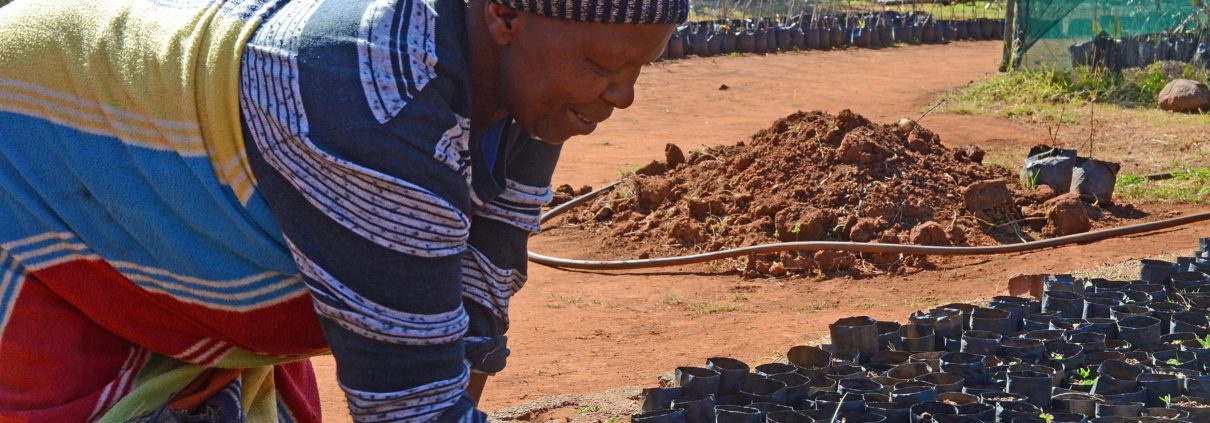 Through the mists, in the landlocked mountainous kingdom of Lesotho Africa, a social pandemic is still prevalent. Disability and poverty in Lesotho are still alive.
Many inhabitants who live outside of the cities still rely on agriculture and farming animals to make a living, though soil erosion is prevalent. Those who move to the cities to create a new life for themselves and their families are met with unemployment and homelessness. In fact, 59% of the population lives under the poverty line.
A Shared Link
Disability and poverty in Lesotho seem to go hand in hand. A lack of stability and infrastructure foster these issues. High unemployment, food insecurity, political unrest, poor fossil fuel resources and a reliance on food imports from South Africa make it difficult to gain full economic independence.
Ties to South Africa could do more harm than good in this present economy. Not only does Lesotho rely on South Africa for electricity, but it also relies on it for food imports. The U.S. has imposed a 30% tariff on South Africa. This will ultimately trickle down to Lesotho furthering the food insecurities of that country.
Living in rural areas makes food insecurity harder to deal with as well. As of 2024, 69.1% of Lesotho’s population lived in rural areas and were especially susceptible to food insecurity. They rely on agriculture to grow food. The increase in droughts and floods threatens crops resulting in many having little to eat.
Disability Adds to the Fray
Adding disability into the fray makes matters worse. Poverty creates a lack of accessible infrastructure, a lack of special equipment needed for individuals with disabilities such as wheelchairs, walkers and technology like tablets. There is a lack of medicine, homecare and specialists for those who need it the most. As of 2020, the UN found that 3% of the population suffered from some form of disability. Many children are within that percentage. According to findings by the UN in 2020, 38.5% of children had a form of visual impairment. About 30.3% had an intellectual impairment and 7.5% had some form of a physical disability.
The UN Committee on the Rights of Persons with Disabilities published its findings in March 2026 regarding the prejudice surrounding individuals with disabilities, particularly those who suffer from albinism. It found that there is a need to uphold human rights for all nationwide.
There is also a huge gap in education due to the lack of teachers and educational materials that are geared toward those with physical and intellectual disabilities. In fact, many who are disabled stay home because of the lack of help and the stigma surrounding disabilities.
The UN Committee on the Rights of Persons with Disabilities also published its findings regarding the lack of education surrounding children with disabilities. It recommended the repeal of the Education Act of 2010 that upholds the discrimination of children by blocking education for all.
Disability and poverty in Lesotho is a cycle. Because of the poverty levels, there is not enough adequate help for those living with a disability.
There Is Hope
Though the cycle of disability and poverty seems bleak, there is hope. There are many organizations who are helping the people of Lesotho break that cycle of poverty and thus, are able to help those with disabilities. A lot of this is occurring through education and technology.
The Lesotho Basic Education Strengthening Project was an initiative that helped teachers enhance their teaching skills through online training courses, enhance their teaching skills. The project closed in 2025 but the World Bank continues to invest in the Lesotho Education Improvement Project that continues to help teachers and improve physical learning conditions.
Global partnerships focusing on AI have also made a positive impact on inclusivity. The United Nations Development Programme (UNDP), in alliance with Intel Corporation, has helped to bring AI technology and training to Lesotho. With the backing of the Lesotho government, AI will be accessible to all by 2030.
Lesotho already has 40 digital learning labs and 40 trained digital ambassadors throughout the country thus far. These ambassadors are teaching the people of Lesotho AI through storytelling, and interactive games helping the population to learn as easily as possible. The goal is to make sure no one is left behind.
Those with disabilities are not being left behind either as the Lesotho National Federation of Organisations of the Disabled (LNFOD) is taking initiatives to make sure of this. The umbrella organization helps enable individuals living with disabilities to live as independently as possible through the development of life skills and education.
Looking Ahead
Lesotho has ambitions for the future. Technology and AI hope to help make this happen. With improvements in agriculture, education, infrastructure and trade will help to create a more stable country thus improving the lives of all.
– Lara Lewis
Lara is based in Wakefield, RI, USA and focuses on Good News and Politics for The Borgen Project.
Photo: Unsplash
