• Link to X
  • Link to Facebook
  • Link to Instagram
  • Link to TikTok
  • Link to Youtube
  • About
    • About Us
      • President
      • Board of Directors
      • Board of Advisors
      • Financials
      • Our Methodology
      • Success Tracker
      • Contact
  • Act Now
    • 30 Ways to Help
      • Email Congress
      • Call Congress
      • Volunteer
      • Courses & Certificates
      • Be a Donor
    • Internships
      • In-Office Internships
      • Remote Internships
    • Legislation
      • Politics 101
  • The Blog
  • The Podcast
  • Magazine
  • Donate
  • Click to open the search input field Click to open the search input field Search
  • Menu Menu
Blog - Latest News
Developing Countries, Education

5 Facts about Education in Kyrgyzstan
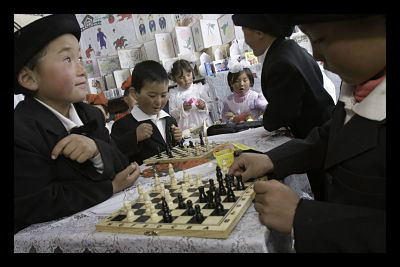
Education in kyrgyzstan
Kyrgyzstan has been transitioning into its own government after the rule of the Soviet Union, which ended in 1991. Throughout the 1990s, Kyrgyzstan struggled economically due to a decline in production output after the termination of its reliance on the USSR’s industrial regulations.

Due to the country’s difficult economic history, there is a high poverty rate among its citizens; 22 percent of the population lives on less than $2 per day and 41 percent live below the poverty line. Due to the difficult economic situation in Kyrgyzstan, education in Kyrgyzstan has not been a priority. Here are five facts about education in Kyrgyzstan:

1. Low Employment Leads to Low Demand for Education

Due to the low employment rates, citizens of Kyrgyzstan saw less of a value for education after 1991. As a result, the government lowered the required education to nine years while changing other educational policies. Recently, the government has been re-investing itself in education, increasing educational spending and increasing access to education.

2. Decreasing Enrollment

The enrollment in Kyrgyzstan’s pre-primary schools is 10 percent; 87 percent for primary schools, 80 percent for secondary schools and 37 percent for tertiary schools. Throughout the past five years, these numbers have decreased. It is possible that this is due to the 2007 decree that a school uniform is mandatory for all students. Many families are unable to afford this uniform.

3. The Urban-Rural Gap

There is not a significant gender gap in education. There is, however, a gap in urban versus rural access to education. For secondary school, there are 6 percent fewer children attending in rural areas than in urban areas.

4. Struggling Academic Performance

In 2006, Kyrgyzstan scored 57 out of 57 countries for educational performance in reading, mathematics and science.

5. Low Teaching Wages

The student to teacher ration in Kyrgyzstan is one student to 24 teachers. In addition, teachers are paid less than 40 percent of the average national earnings.

Although Kyrgyzstan has been reforming its education — such as a $12.7 million grant to improve preschools — the country has many reforms left to be made in order to improve the quality of education offered to its citizens.

— Lily Tyson

Sources: 24 News Agency, UNICEF, Ministry for Education
Photo: Partnerships in Action

June 27, 2014
Share this entry
  • Share on Facebook
  • Share on X
  • Share on WhatsApp
  • Share on Pinterest
  • Share on LinkedIn
  • Share on Tumblr
  • Share on Vk
  • Share on Reddit
  • Share by Mail
https://borgenproject.org/wp-content/uploads/borgen-project-logo.svg 0 0 Borgen Project https://borgenproject.org/wp-content/uploads/borgen-project-logo.svg Borgen Project2014-06-27 07:17:512024-05-26 23:57:485 Facts about Education in Kyrgyzstan

Get Smarter

  • Global Poverty 101
  • Global Poverty… The Good News
  • Global Poverty & U.S. Jobs
  • Global Poverty and National Security
  • Innovative Solutions to Poverty
  • Global Poverty & Aid FAQ’s
Search Search

Take Action

  • Call Congress
  • Email Congress
  • Donate
  • 30 Ways to Help
  • Volunteer Ops
  • Internships
  • Courses & Certificates
  • The Podcast
Borgen Project

“The Borgen Project is an incredible nonprofit organization that is addressing poverty and hunger and working towards ending them.”

-The Huffington Post

Inside The Borgen Project

  • Contact
  • About
  • Financials
  • President
  • Board of Directors
  • Board of Advisors

International Links

  • UK Email Parliament
  • UK Donate
  • Canada Email Parliament

Get Smarter

  • Global Poverty 101
  • Global Poverty… The Good News
  • Global Poverty & U.S. Jobs
  • Global Poverty and National Security
  • Innovative Solutions to Poverty
  • Global Poverty & Aid FAQ’s

Ways to Help

  • Call Congress
  • Email Congress
  • Donate
  • 30 Ways to Help
  • Volunteer Ops
  • Internships
  • Courses & Certificates
  • The Podcast
Link to: Sri Lankan Safety: Preparing for Natural Disasters Link to: Sri Lankan Safety: Preparing for Natural Disasters Sri Lankan Safety: Preparing for Natural Disasters Link to: Education in Swaziland Link to: Education in Swaziland Education in Swaziland
Scroll to top Scroll to top Scroll to top