How Child Education in Jamaica is Setting a Global Example
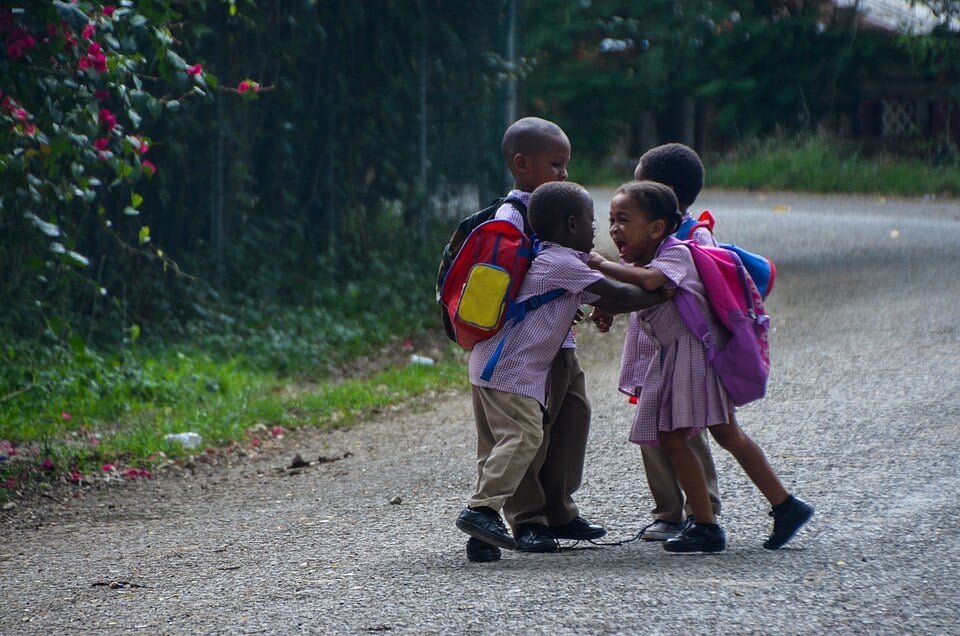 In 2013, an article about child education in Jamaica revealed a surprising method of combating poverty. The study spanned 20 years, and showed that participants grew up to earn higher earnings than those who did not have the same experience. As a result, many other nations created similar programs with similarly positive results. This method, that led to higher earnings and set a global example, was more play time for toddlers.
Behind the Study
The study started in 1986 with the selection of 129 poor children living in Kingston, Jamaica, aged 9 to 24 months, identified by researchers as “stunted,” according to the paper. The children were then divided into four groups, with one receiving what the paper calls “psychosocial stimulation,” the other receiving “nutritional supplementation,” the third group receiving both, and the fourth control group receiving neither.
Psychosocial stimulation entailed two years of weekly one-hour visits by health workers, where mothers learned ways to play with their children, which included communication and playing educational games. The health workers also brought homemade toys to the toddlers, which were replaced every week. These activities encouraged child education in Jamaica, through cognitive and linguistic development in toddlers.
Nutritional supplementation entailed the provision of supplements to compensate for any deficiencies in the children. However, the study did not find any correlation between this and any long-term difference in earnings.
The study did, however, find that toddlers who received weekly stimulation and structured caregiver coaching in responsive play and interaction earned 25% higher earnings than the control group when they were roughly 22 years old.
Reach Up
Although there are examples of home visits for child education in Jamaica since 1975, the program was able to expand as a result of studies connecting play and interaction from a young age to later success. This includes the creation of Reach Up, a training package and organization developed through the University of the West Indies, offering home visits programs like the ones in previous study, in 2014. In the years since its establishment, Reach Up has spread to 14 countries, including Guatemala, Brazil and India, and helped more than 100,000 families, according to its website.
Reach Up has also helped replicate a similar program in China, named China REACH. The program, and the 2022 study accompanying it, had 1,500 participants from an underdeveloped region in Western China, and came to a similar conclusion, saying that the program “significantly improves treated children’s skill development,” although any long-term effects on wages are yet to be seen.
Although Reach Up has proven to be successful, the costs of the program have been an obstacle for the organization. According to a 2023 article published in the Frontiers in Public Health journal, Reach Up’s implementation partners across different countries have experienced problems behind the scenes, such as the cost and workload of integrating the program into existing government institutions. They also had trouble accessing and buying materials to make toys, and due to low pay and high workload, staff turnover has been high.
Looking Ahead
Although existing studies have shown positive results, home visits for children are still being researched, with nations such as China trying the program in the past few years. Whether or not programs such as these become a global standard, they have benefitted many people worldwide, and it’s all thanks to research originating in Jamaica.
– Koya Weiss
Koya is based in Boston, Massachusetts, United States and focuses on Good News for The Borgen Project.
Photo: Wikimedia Commons

