Vaccine Manufacturing in Africa Gets $108M Boost in Cape Town
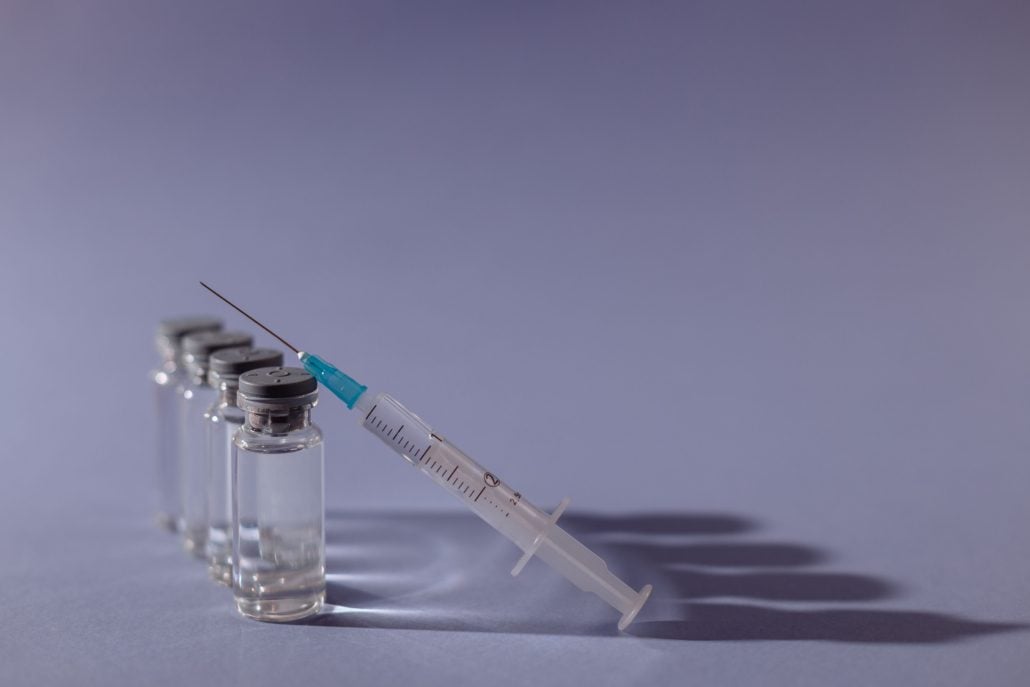 Vaccine manufacturing in Africa is gaining momentum with a new plant planned for Cape Town, South Africa. In April 2026, Biovac, a South African vaccine maker, announced a $108.3 million financing package to build the facility. The plant would make oral cholera vaccines first and add polio, pneumonia and meningitis vaccines later.
Why Vaccine Manufacturing in Africa Matters
Africa produces 0.1% of the world’s vaccines but is home to 20% of the world’s population, according to Gavi, the Vaccine Alliance. Additionally, more than 99% of the vaccines consumed in the continent are imported.
Cholera is one of the diseases the Cape Town plant targets first. Between January 1st and May 31st, 2025, Africa reported 124,712 cholera cases and 2,536 deaths, according to the World Health Organization’s Regional Office for Africa. In June 2025, leaders from 20 affected countries committed to eliminating cholera by 2030.
Inside the Cape Town Plant
The $108.3 million package includes a $20 million loan from the International Finance Corporation, the European Investment Bank Group and the European Commission. The EIB Group also provided a 75 million euro investment, worth about $88.3 million.
This project is expected to reach completion in 2028. It features:
- Products: It will produce oral cholera vaccines first, then polio, pneumonia and meningitis vaccines.
- Capacity: The project will produce up to 40 million doses of cholera vaccine per year; Biovac states that this would cover approximately 40% of the cholera vaccine supply gap.
- Duties: The project will create more than 340 skilled jobs.
The African Development Bank (AfDB) finalized a loan of $15 million for the facility in July 2026. Biovac would be the first end-to-end oral cholera vaccine manufacturer in Africa, and the first local manufacturer of inactivated polio vaccine in South Africa. The company has already delivered more than 450 million vaccine doses in Southern Africa.
In 2024, Biovac signed a deal with Sanofi and EuBiologics to manufacture and distribute vaccines in Africa. The polio vaccine’s technology partners consist of Sanofi, the International Vaccine Institute, Biological E, EuBiologics and Bharat Biotech.
Gavi Backs African-Made Vaccines
Gavi launched the African Vaccine Manufacturing Accelerator (AVMA) in 2024 with the African Union and Africa CDC. AVMA offers up to $1 billion in incentives for manufacturers that meet regulatory and supply milestones.
Manufacturers have signed 13 technology transfer agreements, and builders are developing commercial-scale facilities in six African countries. About $3 billion in additional financing has been mobilized since AVMA launched. Gavi expects the first AVMA cash payment to a manufacturer in the second half of 2026 and the first African-made vaccines as early as 2027.
Gavi’s board approved an additional $189 million at its July 1-2, 2026 meeting, World Business Journal reported. Of that total, $139 million will buy eligible vaccines made in Africa through Gavi-UNICEF tenders. The other $50 million will support vaccine manufacturing in Africa more broadly by working with the Africa CDC, the African Medicines Agency and the World Health Organization.
Looking Ahead
The African Union has targeted to locally manufacture 60% of its vaccines by 2040. AllAfrica called the Cape Town project a test case for this objective. Loans and investment and Gavi incentives have now opened a funded route for vaccine production in Africa to provide greater access to vaccines produced in the region.
– Vania Vashisht
Vania Vashisht is based in Surrey, British Columbia, Canada and focuses on Global Health for The Borgen Project.
Photo: Pexels
