How Iceland is Helping Expand Clean Energy Access in Africa
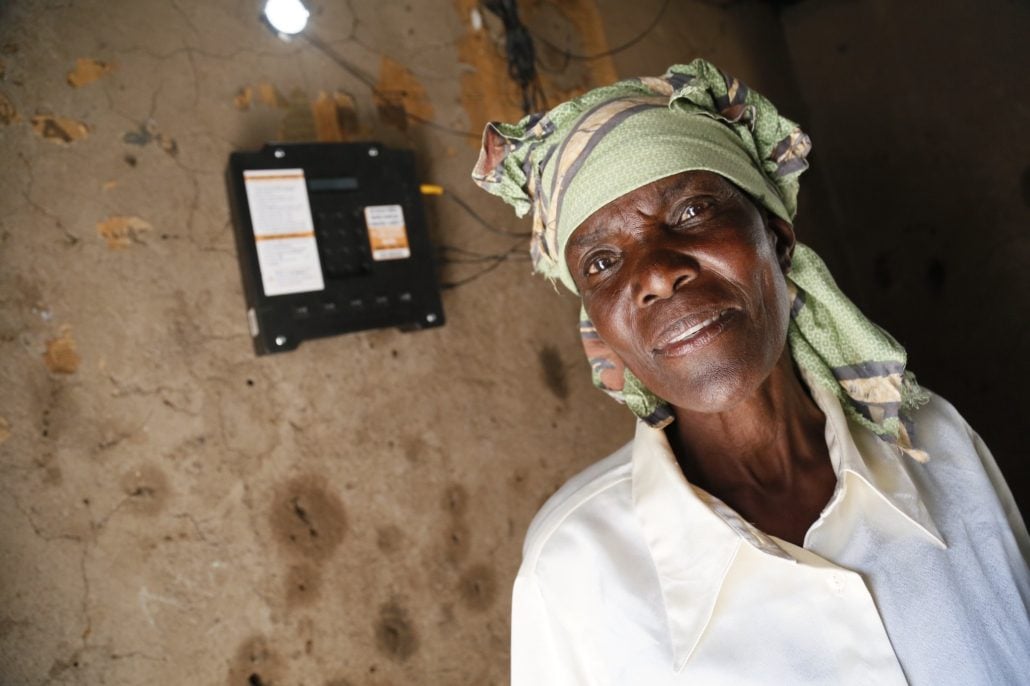 Indian author Abhijit Naskar once stated that “Energy used to sustain the same old paradigm of greed, control and disparity, is anything but clean – no matter what it says on the label.” His words highlight that clean energy is not just about reducing carbon emissions; it is also about ensuring that access to energy is fair, affordable and inclusive.
Access to clean energy in Africa is essential for education, healthcare, employment and economic development. Yet millions of people across sub-Saharan Africa continue to live without electricity. By investing in locally driven renewable energy initiatives, the Icelandic government is helping address this challenge and promote a more sustainable and inclusive future.
Why Energy Access Matters
Electricity enables students to study after dark. It allows healthcare facilities to refrigerate medicines and operate essential equipment. It helps independent businesses increase productivity without risking revenue. In 2025, the International Energy Agency (IEA) highlighted that electricity also supports irrigation, food processing and digital connectivity, creating opportunities for employment and economic growth. When discussing clean energy in Africa, the World Health Organization (WHO) emphasized that sustainable, affordable energy “plays a crucial role in advancing health.” Its findings suggest that access to clean energy plays an important role in protecting people’s health from household air pollution caused by fuels such as coal and biomass.
According to the World Bank, approximately 565 million people in sub-Saharan Africa lacked access to electricity in 2023. By generating electricity closer to where it is needed, these systems can help underserved communities access power without waiting for extensive grid infrastructure. However, improved electricity access does not necessarily translate into clean cooking access, as households may continue relying on polluting fuels such as charcoal and firewood for their cooking needs.
Iceland’s Investment in EEP Africa
Iceland is contributing to this effort through the Energy and Environment Partnership Trust Fund (EEP Africa), a financing facility that the the Nordic Development Fund managed. The fund supports early-stage clean-energy businesses and locally led projects across Eastern and Southern Africa. Some of these businesses include:
- Connect Malawi: EEP Africa provided approximately € 310,590 for the Malawi solar home systems expansion project.
- Agsol: EEP Africa provided €787,192 to support the development and distribution of solar-powered grain mills through local partners in Kenya, Tanzania, Uganda and Zambia.
- ASOBO: About €500,000 was provided to aid in the development of the renewable energy-powered electric outboard motors for fishing boats in Kenya, Tanzania and Uganda.
These projects demonstrate the range of clean energy solutions supported by EEP Africa. Importantly, the financing examples documented in the fund’s 2019 and 2021 project portfolios predate Iceland’s participation in the fund, which began in 2022. They therefore represent EEP Africa’s broader work rather than outcomes attributable to Iceland’s contributions.
In April 2026, Iceland committed an additional €1.45 million to EEP Africa to support projects between 2026 and 2028. This was Iceland’s second contribution since joining the fund in 2022. The renewed commitment reinforces Iceland’s support for affordable clean energy, sustainable development and climate resilience across the region.
EEP Africa’s cumulative impact page demonstrate the wider achievements of the fund between 2018 and the end of 2025. According to its impact reporting, by the end of December 2025, projects supported by EEP Africa had improved energy access for more than 600,000 people, created 4,980 jobs, and generated 53.3 gigawatt-hours of clean energy annually. The fund also reported that its supported projects had leveraged €146 million in investment and generated annual savings of €12.8 million in energy-related expenditures.
These figures reflect the combined achievements of EEP Africa’s supported projects since 2018, rather than the direct results of Iceland’s April 2026 contribution. Nevertheless, they demonstrate the potential of the fund’s financing model and the broader impact that sustained investment in locally driven clean energy initiatives can achieve.
Challenges to Overcome
Despite this progress, barriers are still present. Renewable-energy systems can be costly for low-income households, while businesses serving remote communities may struggle to secure affordable financing. Limited infrastructure, technical skills and maintenance services can also threaten the long-term reliability of projects centered on clean, renewable energy.
Furthermore, commitments to funding alone do not guarantee lasting improvements. Projects must remain financially viable, provide affordable services and respond to the priorities of the communities they serve. Without careful planning, the most vulnerable households are at risk of being excluded from the benefits of clean energy in Africa.
To maximize the impact of Iceland’s investment, EEP Africa should continue their focus on strengthening partnerships with local businesses, community organizations and governments. Flexible, affordable payment options and technical training for locals could help more households access electricity while enabling local enterprises to grow.
Greater accountability is equally important. EEP Africa and official bodies should measure not only the number of people connected to electricity but also the reliability of the infrastructure, current employment outcomes, as well as the participation of women and disadvantaged demographics. These measures would help ensure that investment will also produce meaningful, lasting change on a social level.
Iceland’s renewed commitment to EEP Africa demonstrates how international cooperation can support locally driven solutions to energy poverty. Although challenges around affordability, financing and sustainability remain, targeted investment in renewable energy offers a pathway to stronger businesses, improved public services and more resilient communities.
– James Moretti
James is based in United Kingdom and focuses on Good News for The Borgen Project.
Photo: Flickr
