The Tensions in Remittances to Nepal
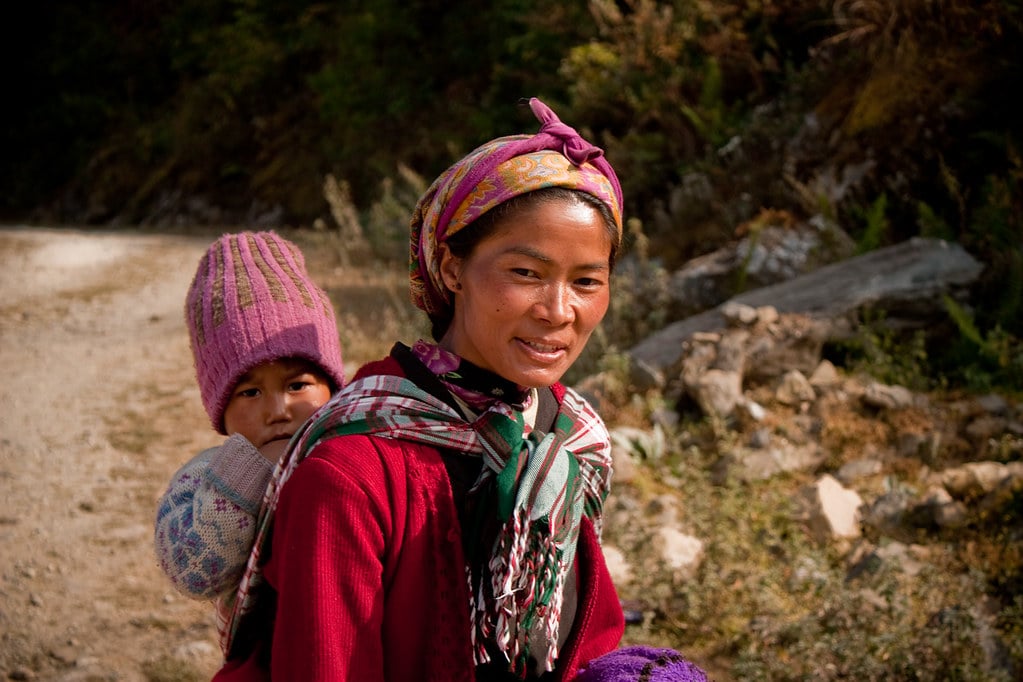 The South Asian country of Nepal is a compelling case study for poverty reduction. The World Bank found that, in 1995, approximately 55% of Nepalis lived in extreme poverty (using the U.S. threshold of $2.15 per day). By 2023, this figure dropped to 0.37%. Remittances have contributed to developing the Nepali economy and lifting households out of poverty. Nepali citizens, primarily working-age men, find jobs abroad and send money home to their families. In 2023, remittances made up about one-fourth of Nepal’s GDP, ranking the country ninth globally concerning remittances by share of GDP for the 2023/24 fiscal year.
This correlates with Nepal’s decreasing poverty: between 1995 and 2023, remittances to Nepal increased from 23.4% to 76.8%. Additionally, they have helped increase Nepal’s gross foreign exchange reserves, which increased by 30.4% from 2023 to 2024. Remittances have been transformative for Nepalis and their government, but placing too much significance upon them could prove inefficient.
The Drawbacks
Without remittances, Nepalis could lose purchasing power and demand would decrease. According to a 2025 study, consumer goods are the primary use of remittances. Households purchase material goods that cover their immediate needs, like electronics, food and imports. About 22.48% of remittances are allocated to health and education and 10% to debt repayments. While imperative for daily survival, remittances to Nepal may be less effective regarding long-term development and wealth accumulation.
While remittances prop up Nepali families, other aspects of the economy risk being hollowed out. Agriculture, a top economic sector, has declined. One reason is that for youth, foreign employment is a more attractive option than farming. This leads to labor shortages and higher wages, which many farmers cannot afford to pay; even if they receive remittances from family members, domestic industry suffers. Fertile land turns fallow, transforming into grass or shrublands.
Healthcare has suffered due to brain drain. While many Nepali emigrants are “low-skilled workers,” working in construction, hospitality and transport services, others are medical professionals. A Journal of Nepal Medical Association study found that the number of medical graduates who left Nepal to work in higher income countries increased by 1.5 times between 2021 and 2023. Receiving remittances to cover Nepali healthcare needs is redundant if Nepal lacks medical professionals. Nepal is losing workers to foreign countries and may find it difficult to sustain its economy from the inside.
Conflict in the Middle East
In March 2026, Nepalis abroad sent about 5 billion Nepalese rupees to Nepal daily in remittances. According to economist Keshav Acharya, Nepalis working in Gulf countries (Saudi Arabia, Qatar, UAE and Kuwait) sent about half of that. However, significant tensions beginning in February 2026, when the U.S. and Israel launched an attack against Iran, have spread throughout the region as Iran and allied networks launched retaliatory attacks against U.S. bases in the Gulf.
This conflict affects Nepali employment in the Gulf and, consequently, the financial well-being of households in Nepal. The International Labor Organization (ILO) found that 40% of workers in the region are likely to face job cuts. In April, reports indicated that 21,000 Nepalis returned from Qatar; more than 30,000 returned in total from West Asia. Notably, the percentage of returnees on ordinary leave versus as a result of the conflict is not confirmed. Though about 500,000 Nepalis enter the job market annually, the World Bank found that more than 745,000 without work have registered with employment service centers.
In September 2026, the flow of remittances from the Gulf to Nepal remained strong despite less foreign recruitment – but if the situation does not improve, the flow risks weakening. According to Dr. Ram Sharan Kharel, an Executive Director at Nepal Rastra Bank (NRB), the crisis has confirmed that Nepal “cannot run solely on a perpetually dependent economy and remittances.”
Solutions
Nepal has emphasized advancing social protection systems for its workers abroad. The ILO writes that foreign workers are at high risk of work-place injury, job loss, little access to healthcare, wage discrepancies and stress. The conflict in the Gulf has simply made this more apparent.
In April, the ILO and Social Security Fund held The National Dialogue on Strengthening Social Protection for Nepali Migrant Workers Across the Migration Cycle, which explored policies to protect migrant workers, reduce costs and increase benefits. The dialogue concluded that Nepal must refine its domestic systems and then cultivate a more structured form of inter-state policy with host nations. This is relevant to the Gulf, where social safety programs are becoming cemented in worker institutions. The dialogue also recommended strengthening links across the migration cycle and coordination between the Social Security Fund and the Foreign Employment Welfare Fund to ensure that workers’ needs are addressed more swiftly. NRB spokesperson Guru Prasad Paudel has suggested diversifying Nepali labor destinations to more secure countries to minimize country-specific risks.
The World Bank recommends stimulating growth from the inside: supporting private sector development, attracting foreign and domestic investment and supporting targeted state sectors could ease Nepal off of its remittance reliance.
The case of remittances to Nepal illustrates the benefits and shortcomings for a nation that heavily relies on foreign workers. Remittances, though they can aid the global population and lift them out of poverty, mustn’t serve as a substitution for domestic development. Conflict in the Middle East has illuminated this fact to Nepal and, as it navigates its predicament, can serve as an example to similar nations.
– Hana Hardenbrook
Hana is based in Raleigh, North Carolina, United States, and focuses on Good News and Politics for The Borgen Project.
Photo: Flickr
