Morocco Food Waste Solutions Supporting Food Security
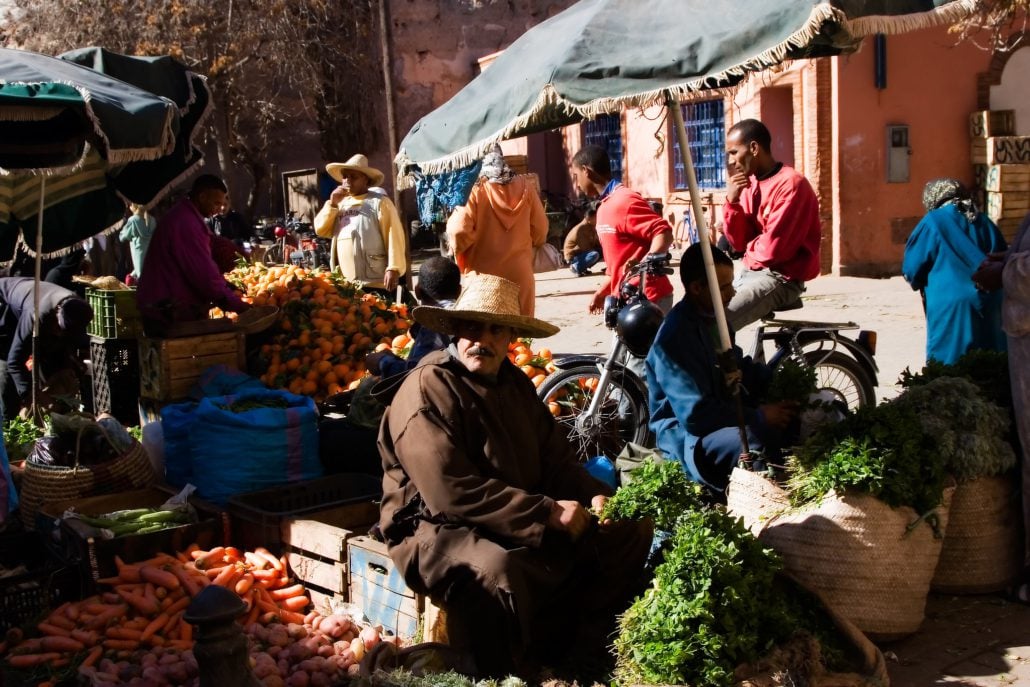
Access to nutritious food depends on more than what farmers grow. It counts on the amount of food salvaged after harvesting, storage, distribution and whether families can afford it. From protecting oasis harvests to distributing donated food, these approaches support food availability and the livelihoods of people who produce it. Collectively, the strategies provide ways to protect the food supply and support communities affected by inadequate nutrition.
The Connection Between Food Waste and Health
According to the World Health Organization (WHO), a nutritious diet helps protect against malnutrition and diseases such as diabetes and heart disease. Dietary variety, including fruits, vegetables, pulses and whole grains, helps provide necessary nutrients. Protecting access to these foods connects Morocco food waste prevention with public health.
Food losses during harvesting, storage and transportation can reduce what actually reaches the market. Later on, businesses may discard unsold food. Each stage presents an opportunity to preserve food before it becomes unavailable to consumers.
In a March 2026 statement, Morocco’s Economic, Social and Environmental Council reported losses of 20% to 40% in certain fruit, vegetable and cereal supply chains. These figures apply to selected sectors rather than all food produced nationwide.
The council explained that food losses have economic costs and affect food availability. These discoveries place food waste within a wider food security challenge – maintaining a supply that vulnerable families can access.
Protecting Harvests in Morocco’s Oasis Communities
The Food and Agriculture Organization of the United Nations (FAO) supports initiatives to reduce agricultural losses in Morocco’s oasis communities. In November 2023, Monaco renewed its funding for a second phase of this work with a three-year commitment of 500,000 euros. Monaco describes the plan as supporting nutritious crops including dates, apples, nuts and local vegetables.
The program intends to reduce agricultural losses by 15% and train or raise awareness among more than 70% of the people working in the targeted supply chains. These percentages represent project goals rather than verified results. FAO’s project listing gives the second phase an end date of Dec. 31, 2026.
A separate cooperative example illustrates how growers store and prepare harvests for sale. According to a March 18, 2026, report on Morocco’s government portal, Arssat Annakhil in Erfoud was established in 2010. It produces, stores, packages and markets dates. Its facilities include two refrigerated rooms with a combined capacity of 80 metric tons, sorting and packaging rooms and a room for producing date paste.
The report describes cooperatives as helping producers reach markets and creating income opportunities for women and young people. This approach connects Morocco food waste prevention with rural livelihoods by supporting both the food supply and those who depend on selling their harvests.
Supporting Food Access in Vulnerable Communities
Founded in 2002, Banque Alimentaire du Maroc collects donated food and distributes it through associations and social welfare institutions. According to the organization, its network consistently supplies more than 200 associations across Morocco. It offers storage, transportation and delivery to connect donors with the groups serving communities.
A Foundation for Food Security and Better Nutrition
Morocco food waste initiatives still face coordination challenges. In March 2026, the economic council called for a mechanism bringing together ministries, the private sector and civil society to coordinate action. Agricultural support, refrigerated storage and organized food distribution address different barriers between food production and consumption.
From refrigerated dates in Erfoud to food supplies reaching rural residents, these efforts give existing food a greater chance at serving its purpose. Protecting that supply provides practical groundwork for supporting access to food and lessening Morocco’s food waste, giving the people the nutrition on which good health depends.
– Mia Lomonaco
Mia is based in Chicago, Illinois, United States and focuses on Global Health for The Borgen Project.
Photo: Flickr
