Solar Pumps, New Seeds Bring Harvest to Small-Scale Farmers in Namibia
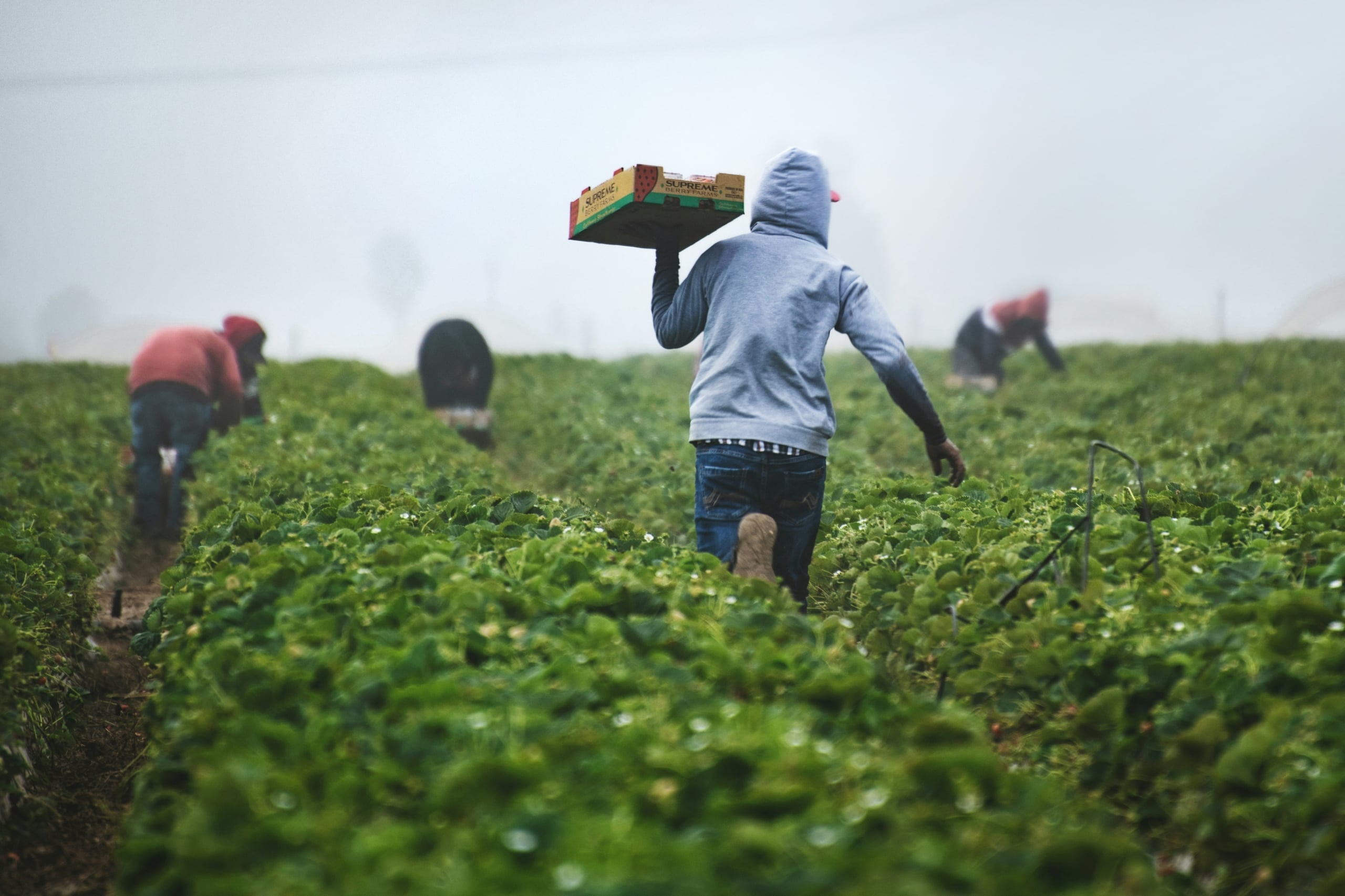
Namibia, a sunny lower-middle-income country of about 3 million people, faces numerous challenges. The 2024 Global Hunger Index rates hunger as serious, ranking Namibia 84th of 121 countries. Nearly 43% of people live in multidimensional poverty. One in three households cannot afford a basic nutritious diet. About 70% of Namibians depend on the agri-food sector, which faces floods, prolonged droughts and pest outbreaks.
Between July and September 2024, 1.15 million Namibians, or 38% of the people analyzed, faced high levels of acute food insecurity, according to the Integrated Food Security Phase Classification (IPC). A year later, within the same July to September period, the figure fell to 456,000, which the IPC attributes largely to above-average rainfall, increased production, better rangeland conditions and coordinated support. Within that national picture, CRAVE gave small-scale farmers in northern Namibia solar power and drought-tolerant seeds for a sturdier footing in agriculture.
Training Rooted in the Field
In a November 2024 account by the Green Climate Fund (GCF), a 100-hectare farm in northern Namibia became a classroom. Farmers gathered under the Namibian sun to learn climate-resilient agriculture. The GCF financed that classroom through a project called CRAVE. Its full name is Climate Resilient Agriculture in three Vulnerable Extreme Northern Crop-growing regions. The Environmental Investment Fund of Namibia began implementing it in 2017. It partnered with the agriculture ministry across Kavango East, Kavango West and Zambezi. At the Mashare Climate Resilient Agriculture Centre of Excellence, the project trained 2,831 small-scale farmers. They studied sustainable cropping and adaptation practices. Women made up 56% of them, according to the GCF.
Hardy Seeds Take Root
Farmers also received drought-tolerant seeds to complement their training. They farmed pearl millet, maize and cowpea on 24.6 hectares. Over 900 seed growers learned production and quality control at the center, so the supply can outlast the project. Pearl millet, called mahangu locally, is among the staple grains the Namibian Agronomic Board wants farmers to grow at home. Hironimus Ngandu, chairperson of the Gciriku Traditional Authority, said the project brought “change and development” that motivated his community to fight hunger.
The Sun Draws Water
Power is the missing piece in much of rural Namibia. Only about 25% of the rural population has electricity, according to a March 2025 factsheet from the German development agency (GIZ). Namibia imports 60% to 70% of its national electricity. Yet the country records more than 300 sunny days a year. The Climate Resilient Agriculture in three Vulnerable Extreme Northern Crop-growing regions (CRAVE) put Namibia’s sunny days to work. CRAVE distributed 41 solar-powered water pumps to vulnerable growers and built a 125-kilowatt solar plant with solar water heaters at the Mashare center. Together, these clean energy tools improved access to energy, water and food for 507 small-scale farmers in Namibia.
Plentiful Harvests Renew Hope for Farmers in Namibia
With skills, seeds and power in place, many farmers moved from feeding their households to selling their harvests. The project arranged 10 contracts between farmers and buyers, including the retailers Spar, Choppies, Pick n Pay and Fresh Mark. More than 2,000 dryland farmers also registered with the Agro-Marketing and Trade Agency for cereal production. Farmers sold more than 18,000 metric tons of produce for about $851,000, according to the GCF. They adopted practices such as crop rotation, intercropping and water harvesting. Hundreds of farmers also received mentoring, which the GCF links to stronger horticulture and dryland production and better household food security. The GCF invested $9.5 million in CRAVE to help improve food security for more than 313,000 people in vulnerable regions. By November 2024, the GCF reported that small-scale farmers in Namibia were reaping the results.
– Eric Onyango
Eric is based in Nairobi, Kenya and focuses on Technology and Solutions for The Borgen Project.
Photo: Unsplash
