How Private Sector Investment Could Support Sudan’s Agricultural Recovery
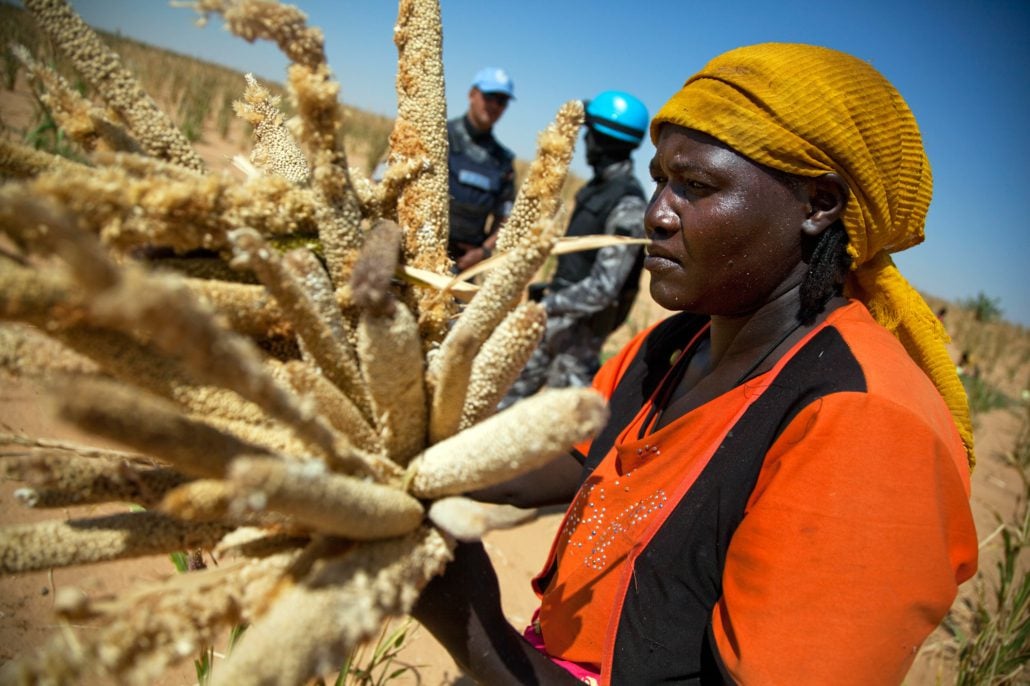
Since the war in Sudan began in 2023, cereal production has fallen catastrophically, dropping 46% in the first year. By 2025, almost 90% of farmers and producer groups reported smaller harvests, and yields had fallen by as much as 71% in the areas most affected by fighting. UNDP reported that more than 19 million people were struggling to access enough food, while severe malnutrition was affecting the worst-hit communities. Sudan’s agricultural recovery is a crucial part of ending the country’s humanitarian crisis.
Market Islands
Sudan has impressive agricultural potential, given its 170 million acres of arable land, Nile-fed irrigation and adequate rain. However, the conflict has been detrimental to the agricultural sector.
The UNDP explains the current division of the sector, calling the disconnected industries “market islands.” Food prices have driven this division, which have risen up to 200% since the war began. Transaction costs have also contributed to higher food costs, rising by 30-40%.
Potential Growth
The UNDP analysis, in partnership with the International Trade Centre, identified a list of crops that could improve both food insecurity and income levels. These are sorghum, sesame, groundnuts, soybean, gum arabic, hibiscus and livestock.
Gum arabic is a particularly promising value chain, as Sudan produces around 80% of the world’s gum arabic, but disrupted collection and export routes have reduced export levels. Exports were approximately 40% below stable levels.
Financing Issues
Another major detriment to crop yields is the lack of appropriate financing for farmers. UNDP reports that more than 70% of farmers and small businesses cannot secure financing, hindering their efforts to maintain or increase production.
The Agricultural Bank of Sudan temporarily halted loan distribution because of inflation.
The agricultural sector is so fragile that many farmers have transitioned to subsistence plots, small pieces of land used to grow food solely for the farmer’s household. These plots protect farmers from economic downturns but also reduce crop production.
Dialogue Between UNDP and Sudan’s Ministry of Finance
On Sept. 23, the UNDP and Sudan’s Ministry of Finance concluded a three-day dialogue to develop an agricultural roadmap for Sudan’s food production crisis and economic recovery. More than 300 participants attended, including government ministries, businesses, financial institutions, the national and international private sector, farmers’ and trade associations and other stakeholders. The dialogue centered on engaging the private sector to reduce food insecurity and poverty, especially for individuals needing more support than humanitarian assistance. Prioritizing private sector engagement is imperative because it is responsible for nearly 98% of jobs.
The forum encouraged discussion of “productivity, access to finance (including credit guarantees, takaful insurance, blended finance and diaspora investment), market systems, and aggregation, trade and export facilitation, and policy and institutional reform.”
Outcomes of Khartoum Dialogue
The forum emphasized private-sector participation and the development of a roadmap for agricultural recovery. The forum also discussed potential investments with international participants; such proposals are not confirmed funding commitments.
Potential Support for Farmers
In terms of supporting farmers and crop production, there are a variety of measures UNDP is considering, including credit guarantees and trade facilitation.
UNDP is coordinating an attempt at a warehouse receipt system with the national and international private sector. Farmers would receive receipts that would support financing in exchange for storing their produce in approved facilities.
– Pritam Khalsa
Pritam is based in New Orleans, Louisiana, USA and focuses on Good News for The Borgen Project.
Photo: Flickr
