Tackling Chagas Disease in Argentina
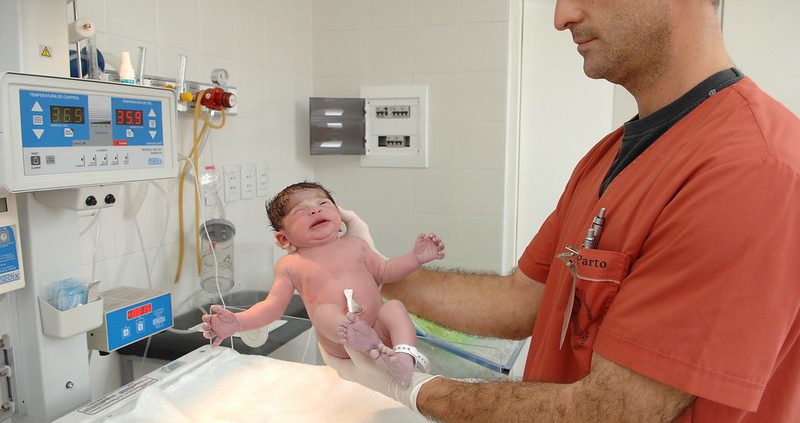 Chagas disease, caused by a parasitic infection, is endemic in 21 Latin American countries. It is primarily transmitted by contact with bugs, vinchucas, which dwell in the walls or cracks of buildings. This disproportionately affects people in extreme poverty who live in dilapidated housing, with a particularly high disease burden on impoverished rural and Indigenous communities in the Gran Chaco ecoregion, which covers Argentina along with Bolivia and Paraguay. Argentina’s high poverty rate, with close to 40% of the population living below the national poverty line in 2024, increases the country’s vulnerability to Chagas disease.
If not treated early, health consequences can be dire, with about 30% of chronic infection cases suffering from cardiac damage. With an estimated 1.5 to 2 million people infected in Argentina, government programs and the initiatives of international organizations like Mundo Sano and the Pan American Health Organization (PAHO) have made sustained efforts to tackle Chagas disease in Argentina.
Government Response: Vector Control and Legislation
The Argentine government has waged a long war against Chagas. Beginning in 1961, the National Chagas Control Program has striven to contain the disease through vector control, using insecticides to eradicate the insect vector that transmits the parasite Trypanosoma cruzi to humans. Subsequent legislation in 1980 bolstered the program by decreeing its implementation in independent jurisdictions.
The program has made significant strides in fighting Chagas disease in Argentina. In one 14-year regional intervention around Añatuya, Santiago del Estero, close to 400 households had their structures improved since 2005, and intra-domestic and peri-domestic infection rates dropped drastically, from about 18% to just 0.2% and from about 20% to 3%, respectively. Both the National Chagas Control Program and laws passed in 2006 and 2007, mandating testing of pregnant women and newborns to prevent mother-to-child transmission, contributed to the elimination of vector transmission in nine provinces between 2001 and 2018.
However, lack of enforcement of these policies has caused the number of cases to remain high. In response, regulations put forth in 2022 made tackling Chagas disease in Argentina a national priority, facilitating monitoring, control and treatment of Chagas in all regions.
Mundo Sano’s Multifaceted Approach
Mundo Sano, a family foundation combating neglected health conditions, has been tackling Chagas disease in Argentina through various measures. The foundation strengthens houses and surrounding structures by repairing cracks and whitewashing to prevent insect entry, as well as creates hygienic cooking environments. Additionally, the establishment of doctor’s offices has made diagnosis and treatment more accessible. These measures have been implemented in numerous regions, such as Añatuya and Pampa del Indio, Chaco, equipping them with the resources and knowledge to combat Chagas.
Since the effectiveness of treatment decreases the longer a person has been infected, with PAHO estimating in 2021 that 70% of people with Chagas are unaware of being infected, the provision of medical assistance can be life-changing. Although symptoms of the initial acute phase of Chagas are relatively mild, including headache, fever and muscle pain, symptoms of the chronic phase are much more severe, including damage to the heart, nervous system and digestive system. Mundo Sano improves the health of Argentines through both preventive and remedial measures, ensuring a quicker recovery for those infected.
International Collaboration
As people infected with Chagas are at risk of spreading it across the continent, and even to the rest of the world, international collaboration is crucial to protect the lives of those most vulnerable to the disease. Argentina is part of the Southern Cone Initiative to Control/Eliminate Chagas Disease, partnering with PAHO and other Southern Cone countries like Chile and Uruguay.
PAHO’s Elimination Initiative
PAHO’s commitment to eliminate Chagas, along with more than 30 other diseases, in the Region of the Americas by 2030, has been an encouraging development for Argentina. Each year, PAHO/World Health Organization (WHO) provides 3,000 to 4,000 Nifurtimox treatments to countries affected by Chagas. These countries can also acquire Benznidazole through the PAHO/WHO Strategic Fund. Both medicines have a nearly 100% cure rate if administered at the start of the acute phase.
A Clear Strategy for the Future
Both the Argentine government and international organizations have set out a clear path for the elimination of Chagas. The identification of the root causes of the disease—decrepit structures, mother-to-child transmission and missed diagnoses—has led to solutions that address them comprehensively. These tremendous efforts to tackle Chagas disease in Argentina and the rest of the Americas offer hope for a decrease in the number of infections, helping those who are most impoverished.
– Katy Wong
Katy is based in Hong Kong and focuses on Good News and Global Health for The Borgen Project.
Photo: Flickr
