Renewable Energy in Palau Is Tackling Energy Costs and Poverty
 Palau has long depended on imported fuel for electricity, leaving households and businesses exposed to high energy costs. The country’s 2014 Household Income and Expenditure Survey found that 19.4% of Palau’s population lived below the basic-needs poverty line. The Palau Development Plan notes that poverty in Palau extends beyond income and includes access to basic services and resources.
Against this backdrop, renewable energy in Palau is emerging as a solution that can lower household energy expenses while creating a more sustainable electricity system.
Solar Power Brings New Investment
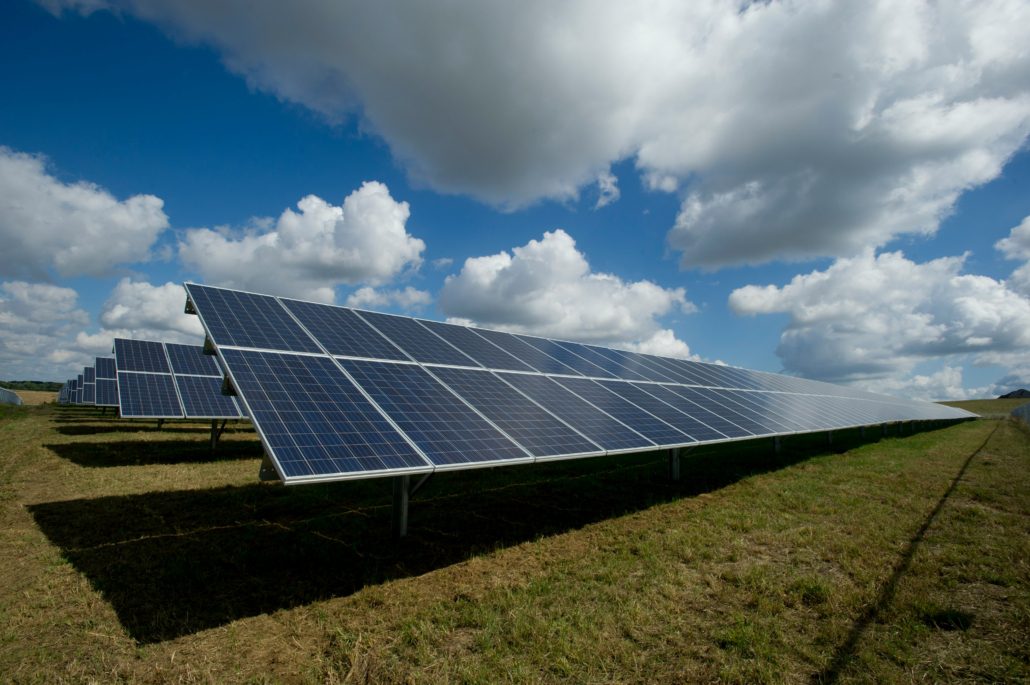
One of Palau’s most important renewable energy projects is the Ngatpang Solar Plant on Babeldaob. Solar Pacific Pristine Power built the facility with financing from the Australian Infrastructure Financing Facility for the Pacific (AIFFP). The project includes a 15.28-megawatt solar photovoltaic facility and a 12.9-megawatt-hour battery energy storage system.
The Australian government says the plant can provide approximately 20% of Palau’s power needs and deliver up to 23,000 megawatt-hours of electricity to the grid each year. The project also reduces Palau’s dependence on diesel generators.
The project has also created opportunities for local workers and businesses. AIFFP reports that 15 local entities participated during construction, which employed 288 people, including 77 Palauans. The project therefore connects the energy transition with economic opportunities inside Palau.
Clean Energy Targets Low-Income Households
Renewable energy is also reaching households that may have fewer resources to absorb high electricity costs. The Asian Development Bank’s Disaster Resilient Clean Energy Financing Project provides financing for low-income households and women borrowers to access renewable energy. The project is expected to directly benefit about 900 households, including at least 450 low-income households and 180 women-headed households. The Asian Development Bank says these households are expected to benefit from lower energy expenditures and greater access to affordable renewable energy.
The program began installing residential solar systems in 2022. Japan’s Embassy in Palau reported that the first home solar system was installed in Koror in July 2022. The program uses low-interest loans to help eligible homeowners purchase and install solar systems, intending to reduce monthly electricity bills.
Upgrading the Grid for More Renewable Power
Palau is also investing in the infrastructure needed to use more renewable electricity. Through the Palau Renewable Energy Integration Project, Australia is providing an AUD 16.38 million grant to upgrade the national electricity grid.
AIFFP says the project will enable renewable sources to provide up to 25% of Palau’s total electricity demand. The upgrades will also reduce reliance on imported diesel, lower emissions and improve grid stability.
Looking Ahead
Palau’s shift to renewable energy is about more than replacing diesel with solar power. By making clean-energy financing available to low-income households, creating local jobs and strengthening the electricity grid, these projects can help address some of the economic pressures faced by Palau’s communities. Renewable energy in Palau can lower household energy costs while supporting a stronger and more affordable energy system. As the transition continues, renewable energy in Palau can help ensure that the benefits of cleaner energy reach the people who need them most.
– Khushi Chaudhary
Khushi is based in Paderborn, Germany and focuses on Technology and Solutions for The Borgen Project.
Photo: Unsplash
