Charities Helping Women in Chad
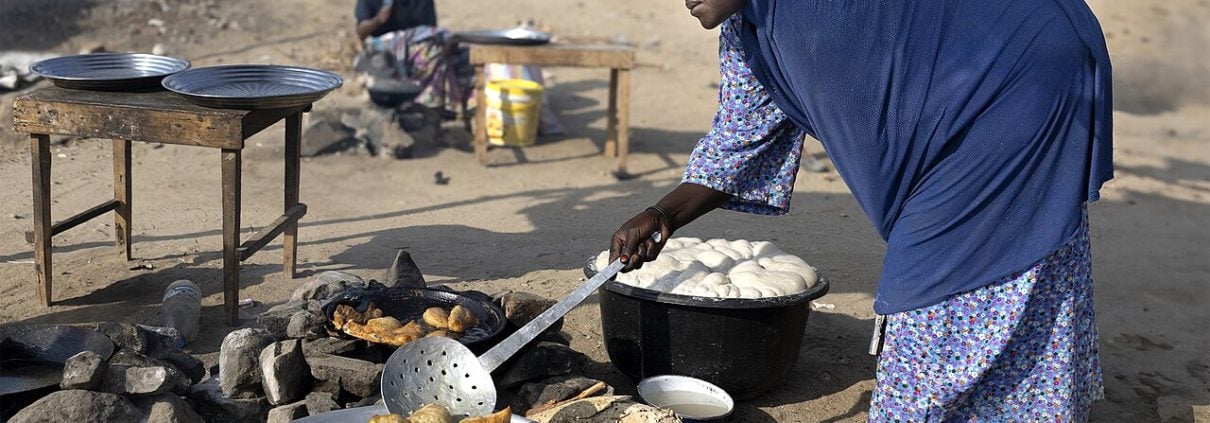 Women in Chad face numerous challenges regarding their human rights, often due to societal, cultural or religious norms, and the impact of poverty. Child marriage rates for girls in Chad are around 60%, and only 38% of girls complete primary school. This number drops to 14.1% for lower secondary school, and only 3% of Chadian women enroll in tertiary education. These factors limit opportunities for women, forcing them to rely on parents or husbands financially to avoid severe poverty.
Gender-Specific Challenges
Currently, only 34.4% of gender-specific Sustainable Development Goals are monitorable in Chad, and only 8.2% score a medium or high performance. The low performance is evident in statistics for gender-based violence. About 16.2% of women aged 15 to 49 have faced sexual violence by their partner in the last year, and 38.4% of women in this age group have undergone genital mutilation, most commonly between ages 5 to 9. This figure rises in regions such as Salamat, where 96.1% of women face female genital mutilation. Violent practices are also prevalent among Sudanese refugees in eastern Chad, where 71% report human rights violations, including sexual and gender-based violence.
The law to ban female genital mutilation has yet to be signed by the Chadian president, despite being proposed in 2002. Little governmental assistance has been provided to women facing violence and poverty. However, various organizations have stepped up to create safe spaces, education and basic needs for women in Chad, offering care that the government has failed to provide.
Charities Helping Women in Chad:
- CARE International: CARE International has worked in Chad since 1974, providing crisis response, healthcare, and food and water to hundreds of thousands of people. Their efforts focus on women and girls, with main goals to strengthen economic independence, provide access to reproductive health services and reduce risks of gender-based violence. They have helped more than 104,000 women with these goals and engaged with nearly 123,000 men and women to promote gender equality.
- ALIMA: ALIMA has operated in Chad since 2012, aiming to help refugees at the Sudanese border, improve healthcare and nutritional support, and provide mental healthcare for survivors of gender-based violence. ALIMA provided medical consultations to nearly 72,000 children under 5 in Chad in 2025.
Looking Ahead
These charities recognize that the human rights violations Chadian women face require external assistance. As more refugees from Sudan arrive, additional help will be necessary. Progress is being made, and laws to prevent gender-based violence are expected to be signed, offering a brighter future for the women of Chad.
– Ally Jones
Ally is based in Bethany, OK, USA and focuses on Good News for The Borgen Project.
Photo: Wikimedia Commons
