Supporting The Humanitarian Crisis In Gaza
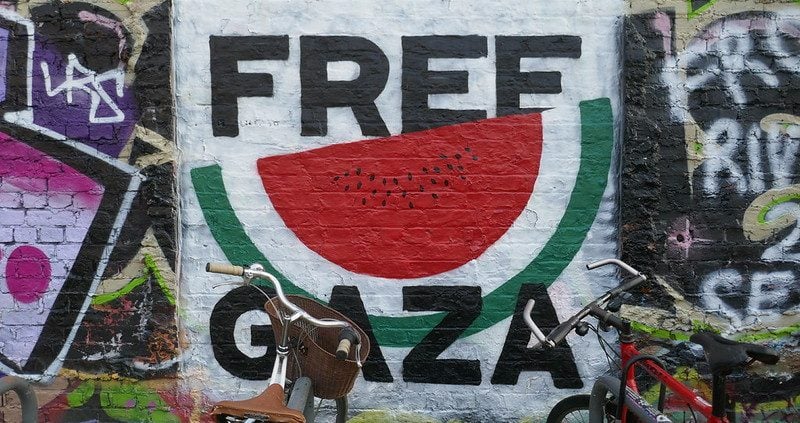 The humanitarian crisis in Gaza has witnessed widespread destruction, large numbers of deaths and collapse of essential infrastructure—health care facilities, schools and homes. Even before the ongoing 2023 war, poverty and economic insecurity had already reached alarming levels. Before the war, unemployment stood at 45.1% and 68.5% of the population experienced food insecurity; the war has since pushed multidimensional poverty to 97.9%.
As of 2026, 1.7 million people continue to seek shelter across 1,600 displacement sites in Gaza, according to the International Rescue Committee. Meanwhile, the threat of famine is growing as the war has severely disrupted agricultural production, food supplies and distribution networks.
Who Are Among the Most Affected?
Women and girls face particularly severe consequences of the humanitarian crisis in Gaza. Many women fear for their safety while traveling to obtain basic necessities, giving birth, or living in overcrowded makeshift shelters that offer limited privacy and security.
Girls are increasingly vulnerable to child labor and forced marriage as families struggle to cope with extreme hunger and poverty. Exposure to violence, prolonged poverty, unemployment, political restrictions and uncertainty together shape the mental health crisis in Gaza. Together, these pressures can contribute to chronic psychological distress, loss of dignity, social suffering and a sense that life is indefinitely “on hold.”
Addressing the Humanitarian Crisis in Gaza
Amid the humanitarian crisis in Gaza, several humanitarian organizations are working to provide aid and support to communities affected by the conflict. Alongside large international aid organizations, grassroots and community-led organizations have also emerged to respond to needs.
Watermelon Relief is among the community-led organizations responding to the humanitarian crisis in Gaza, with a particular focus on communities in northern Gaza that have faced significant barriers to receiving assistance through traditional humanitarian channels.
The organization works through local networks and field teams that understand the needs and challenges of the communities they serve. Its relief efforts combine several forms of assistance, including the following:
- Food Security: Watermelon Relief runs two community kitchens in northern Gaza, providing more than 3,500 hot meals to communities each day. As of 2026, its teams have served more than 755,000 meals across Rafah, Khan Yunis, and central Gaza.
- Psychosocial Support: The organization offers trauma-informed art and play-based activities to help children cope with the psychological effects of prolonged displacement. As of 2026, it has supported 14,000 children.
- Direct Relief: Teams deliver food packages and hygiene supplies directly to households facing the greatest need, reaching around 3,000 families each day.
- Emergency Connectivity: Watermelon Relief also distributes eSIM cards so displaced families can maintain access to communication and emergency services. It has distributed around 100,000 eSIM cards to date.
The humanitarian crisis in Gaza has left many families struggling with poverty, displacement, and the emotional effects of war. Watermelon Relief works with local communities to reach people who may not be receiving enough help, especially those in hard-to-reach areas. Its local teams can adjust their work as people’s needs change, providing food, basic supplies and other support.
– Daniela Escobar
Daniela is based in Huntington Station, NY, USA and focuses on Good News for The Borgen Project.
Photo: Flickr
