Poverty, Inequality and Higher Education in Greece
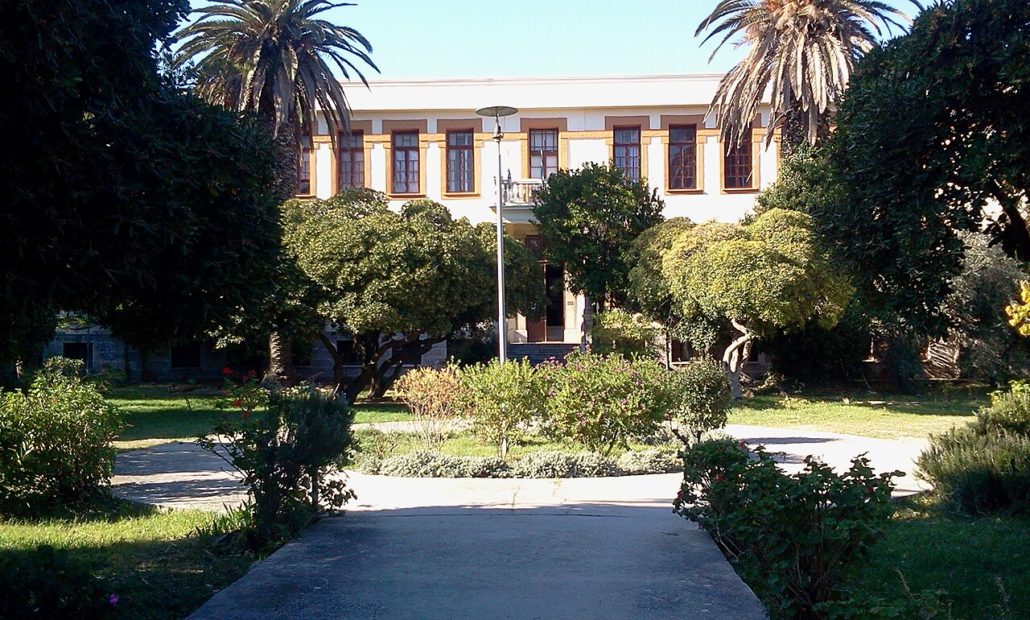 From the advent of democracy to its wide-ranging philosophical traditions, Ancient Greece was undoubtedly the blueprint for modern Western society. However, over the last decade, Greece has been experiencing substantial economic strife and political turmoil. Among the biggest blows to Greek society has been its higher education system, which faces erratic funding, organization and substantial barriers to entry. Here is more information about higher education in Greece.
The Realities of Poverty in Greece
According to the European Union, roughly 27.5% of Greek citizens (greater than 2.5 million) are at risk of social exclusion and impoverishment, the second-highest rate in Europe in 2026. More than half of Greek citizens are unable to cover essential expenses, such as medical fees for staying healthy. Evidence indicates that people under conditions of poverty have deteriorating physical and mental health, with the suicide rate increasing to 35% and basic supplies or pharmaceuticals out of reach.
Poverty is also cyclical, making it difficult for children to escape the misfortune of their parents. Roughly 31.5% of children are at risk of poverty and social exclusion, according to UNICEF, rendering the realization of their basic needs and rights extremely difficult. Consequently, nearly a third of children in Greece lack the necessary housing, nutrition, and education to survive, let alone achieve upward mobility.
Complex Decision-Making Processes
Higher education is highly centralized in Greece, leading to lengthy decision-making processes that can exacerbate outcomes before solutions are reached. Accusations of corruption and over-politicization of the education sector are rampant. Politicians and policymakers are unaccountable because opaque decision-making processes enable under-the-table dealings. Coupled with Greece’s persistent financial crisis, education remains underfunded, at only 3.9% of GDP, among the lowest in the EU.
Moreover, stringent economic barriers persist, depriving swaths of the Greek population of access to education. Students need to pass a series of tests to gain access to higher education, most notably the Panhellenic exams. The Panhellenic exams are extensive, requiring students to seek “shadow education” as an external means of preparation. “Frontistiria,” referring to separate private tutoring institutions and other preparatory courses, requires additional financial resources. These underlying financial strains make it difficult for students from low socio-economic backgrounds to enter higher education.
Law 4777/2021 has created a legal framework in Greece that enables the establishment of private universities and imposed additional economic constraints on access. Private universities add an extra dimension to the two-tier education system, concentrating access to higher education among those affluent enough to afford the higher tuition fees associated with private universities. Citizens, including prominent academics, argue that the law undermines Article 16 of Greece’s constitution, which promises education at all levels as a fundamental right of Greek citizens.
Issues in Day-to-Day Maintenance
Furthermore, the degree completion rate among eligible students, according to the Hellenic Authority for Higher Education and the EU, is only 9.6%. Meanwhile, 11.7% of students pursue higher education abroad. Even more staggering is the fact that only 52% of enrolled students are considered active.
Experts argue that the inconsistent engagement among eligible students stems from issues with the daily maintenance of schools. The underfunding of universities has led to widespread understaffing, creating gaps in student support and in curricula that are poorly oriented towards career progression.
Potential Solutions
Policymakers and relevant bureaucracies are undergoing rapid and substantial restructuring of higher education to address the multifaceted issues within Greece’s system. Officials have turned towards digital solutions, notably through the Digital School platform initiative, which is regulated by Law 5128/2024. Notably, the Digital Tutorial Program offers online lessons in core subjects for students preparing for the Panhellenic exams, providing a cost-effective solution for those facing economic barriers.
Easier Pathways Towards Higher Education
Encouragingly, the Ministry of Education’s new plan is instituting new avenues for students to enter higher education in Greece rather than relying on a single high-stakes Panhellenic exam. The proposed National Baccalaureate would instead consider students’ performance over 3 years, as well as their national examination results. Half of the consideration process would come from grades 10 and 11, and the other 50% from grade 12, including the Panhellenic exams.
A 2024 education reform bill allocated an additional 1.5 billion euros in funding for state universities through 2027. Education minister Sofia Zakari has launched the “Marietta Giannakou” program, which is set to allocate 650 million euros to bolster the infrastructure of 2,500 schools, including many state universities. Upwards of 13 “Innovation Centers” are being constructed to equip schools with technological advancements in science, athletics and even music.
Improving Student Engagement
To address the persistent issue of student disengagement, the Ministry of Education and the Directorate of Higher Education have implemented a “life-extension” policy. The policy will provide a second chance to more than 35,000 students who have formally and actively declared their continued interest in academia while simultaneously removing upwards of 280,000 students who have not. The logic is to add an imperative to keep interested students engaged while removing those who are backlogging the system.
Education remains one of the biggest predictors of upward mobility and poverty reduction. Higher education provides greater access to employment opportunities by advancing students’ collective knowledge and skills. Improved access to higher education has also been shown to have a balancing effect by enabling children to escape legacies of poverty and enabling historically excluded peoples, particularly women, to acquire the competencies needed to reduce intergenerational poverty. Establishing a familial background in higher education can encourage succeeding generations to pursue it and access its benefits.
Looking Ahead
Greece’s experiences with higher education demonstrate the interconnected nature of upward mobility, education and economic vitality. While Greece’s education ministry has taken important initiatives to address rampant issues in education, the most fundamental issue remains economic inequality.
– Jakob Ferenc Kuhn-Olioff
Jakob is based in Montréal, Canada and focuses on Technology and Politics for The Borgen Project.
Photo: Wikimedia Commons
