Agricultural Investment in Vanuatu Supports Rural Communities
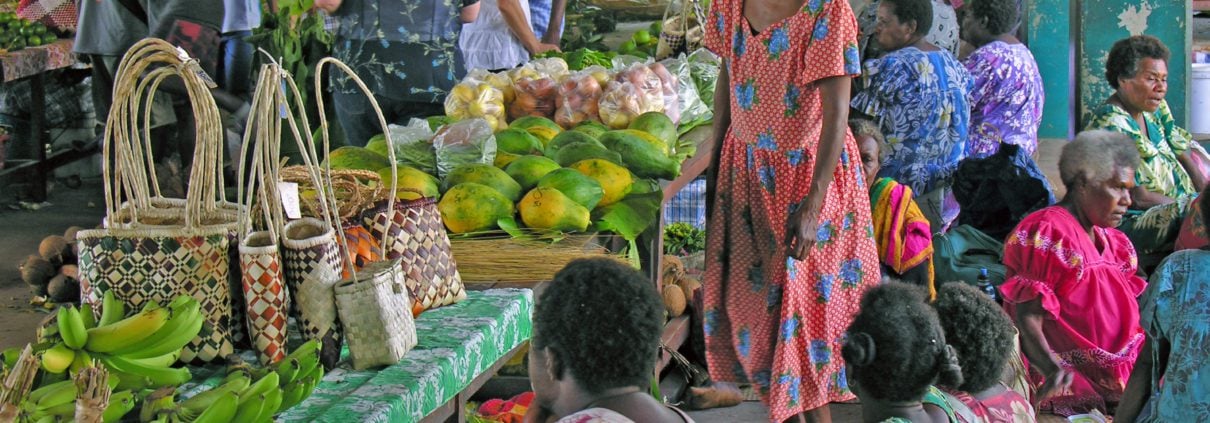 Vanuatu’s rural communities face persistent challenges, with poverty, food insecurity and limited economic opportunities affecting families across the island nation. The World Bank estimated Vanuatu’s poverty rate at 34.9% in 2019, using the lower-middle-income poverty line of $3.65 per person per day.
Agricultural investment in Vanuatu is central to many households’ livelihoods, as about 80% of the population depends on subsistence agriculture for daily needs. Low agricultural productivity and limited market access make it difficult for rural families to escape poverty and build stable incomes.
To address these challenges, the International Fund for Agricultural Development (IFAD) and the Government of Vanuatu launched the Agricultural Investment for Markets and Nutrition (AIM-N) initiative in September 2025. The $11 million partnership will strengthen local food systems, improve nutrition and expand economic opportunities for small-scale farmers across the country. The initiative will reach 15,350 people in 65 rural communities by supporting community and kitchen gardens, improving market access and helping farmers build the skills needed to increase production and secure better prices for their produce.
Agricultural Challenges Limit Rural Livelihoods
Although agriculture remains a major source of food and income for rural communities, many farmers face barriers that limit their ability to improve their livelihoods. The need for agricultural investment in Vanuatu remains critical: nearly 90% of households grow vegetables, yet productivity remains low. The country also faces significant nutrition challenges, with nearly one-third of children under five experiencing stunting and one in five adults being overweight, partly due to increased reliance on low-cost imported foods.
Natural disasters have further intensified challenges for rural households by disrupting access to markets and reducing economic stability. Following a magnitude 7.3 earthquake in December 2024, the World Bank found that 20% of households in Shefa Province experienced severe damage to their homes, while 55% faced difficulties accessing markets. The share of households experiencing moderate food insecurity also increased from 29% in December 2024 to 48% in January 2025.
Agricultural Investment Expands Economic Opportunities
Through AIM-N, the project is helping rural communities strengthen food systems while creating new economic opportunities for small-scale farmers. The initiative will support community and kitchen gardens and work with six secondary boarding schools to purchase food from local farmers. By connecting producers with reliable markets, the project aims to improve access to nutritious foods and help farmers earn steadier incomes.
AIM-N will also help farmers improve production quality and business skills and strengthen connections between small-scale producers and buyers. These partnerships aim to help farmers meet market demands and secure better prices for their produce.
The broader project approach also supports producer groups and local value chains through partnerships with private businesses. Investments in areas such as storage, transportation and market infrastructure help build more resilient agricultural systems that support rural livelihoods.
Supporting Resilient Rural Communities
Beyond boosting agricultural production, AIM-N aims to help rural communities build sustainable livelihoods. The initiative will provide competitive grants to women’s groups, support nutrition-focused and labor-saving projects and expand opportunities for women and youth in agriculture.
The project also uses a community-driven approach that recognizes the importance of local participation and traditional social practices. By supporting producer groups and community involvement in decision-making, AIM-N aims to reach women, youth and vulnerable households while strengthening local agricultural systems.
Agricultural investment in Vanuatu can do more than boost food production. By improving access to markets, strengthening farmer skills and supporting inclusive economic growth, AIM-N is helping create more resilient livelihoods and reduce poverty for rural families in Vanuatu.
– Lily Hoch
Lily is based in Midway, PA, USA and focuses on Good News for The Borgen Project.
Photo: Wikimedia Commons
