From Polio to Lassa Fever in Nigeria
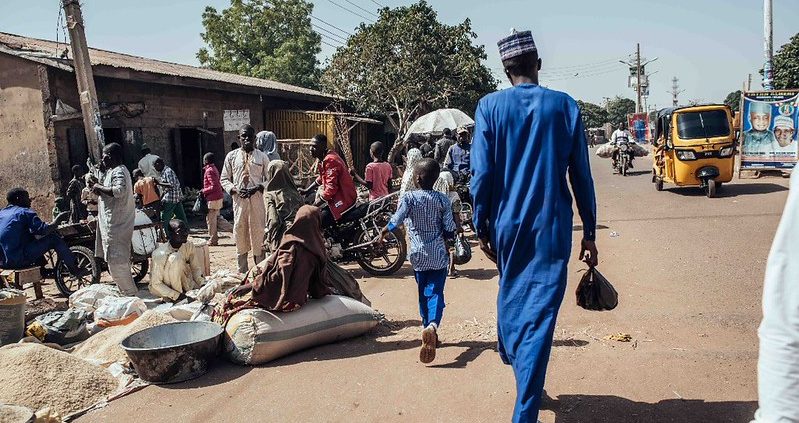 In August 2021, the World Health Organization (WHO) declared Nigeria free of wild polio. The virus was responsible for hundreds of deaths each year. Nigeria eradicated the disease through the implementation of public health systems and educational programs. Health experts tracked the disease by developing organized health systems and data trackers, and by testing wastewater for contaminants to catch outbreaks early. Mobile vaccine clinics also helped mobilize thousands of young children, and educational programs taught communities how to avoid the virus through sanitization. The fight against polio expanded the capacity of Nigeria’s healthcare systems and taught health experts essential methods for fighting disease. Not only was polio eradicated, but Nigeria gained a skill set to protect its population from future diseases.
Lassa Fever in Nigeria
Lassa fever was first recognized in 1969 in Lassa, Nigeria. In 15% of extreme cases, victims develop severe symptoms such as bleeding from mucus membranes and accumulation of fluid in the lungs. This leads to a 15-25% mortality rate. The multimammate rat, one of the most common rodents in the region, carries the disease and contaminates all who come into close contact with it or its secretions. Contaminated individuals can then transmit Lassa fever through feces, urine, blood and saliva. This makes the disease highly contagious, particularly in rodent reservoirs or communities with large rodent populations.
The Deadly Consequences of Poverty
Most causes of Lassa fever can be traced to poor sanitation practices and poor infrastructure that allow for close habitation with rodent populations. This means that Lassa fever primarily affects Nigerians in poverty. In Nigeria, 122 million people live in poverty. Further, 57 million people lack access to safe water, and 130 million lack adequate sanitation. Despite these high numbers, only 3.5% of the national budget goes toward public health. This allows diseases like Lassa fever to predominantly affect the most vulnerable or those in poverty. Impoverished communities are far more susceptible to the spread of the disease, and educational and resource barriers make the consequences of contamination catastrophic.
Lassa Fever Today
Nigeria’s Centre for Disease Control and Prevention (CDC) reported 1,000 confirmed Lassa fever cases and 237 deaths as of late July 2026. That marks a case fatality rate of 23.7%, well above the 18.8% recorded during the same period in 2025. The outbreak has spread across 23 states, though roughly 86% of confirmed cases remain concentrated in five states: Ondo, Bauchi, Taraba, Edo and Benue. The situation continues to evolve week by week.
Despite the gravity of the outbreak, Nigeria is better prepared thanks to lessons learned in combating wild polio. Humanitarian funding sponsored health care systems support and vaccination efforts during the polio fight, and a similar pattern is now emerging in the response to Lassa fever.
The Global Polio Eradication Initiative
The Global Polio Eradication Initiative (GPEI), a partnership between aid groups such as WHO, United Nations Children’s Fund (UNICEF) and the CDC, has transitioned its services toward helping with Lassa fever outbreaks in Nigeria. The initiative developed surveillance systems to track polio, vaccine distribution methods to help eradicate the disease, and integration systems to inform communities about the importance and safety of vaccinations. GPEI now uses these same methods and systems to efficiently fight Lassa fever. Knowledge gained from the polio fight has helped organizations like GPEI and the Nigerian government track the disease’s progress through data systems and wastewater testing, identify at-risk communities, and educate people on health care and sanitization. These methods cannot ensure the immediate eradication of Lassa fever, but Nigeria’s experience fighting disease allows for more efficient solutions than those used during prior epidemics.
Other Humanitarian Aid Groups
The Sanitas Health and Development Foundation has committed more than $860,000 to provide structural support to health care organizations, help strategically plan the public health sector, and organize technological health systems to improve outcomes. These donations will enable better systems to track and defeat Lassa fever. The Hope Compassion and Mercy Foundation has separately committed $280,000 toward the cause. Its funding will go toward training health care workers, funding mobile clinics and rehabilitating or constructing permanent health care clinics for lasting impact.
Aid’s Impact
The fight against deadly viruses in Nigeria is becoming more manageable as vaccinations become more universal and experience in fighting diseases grows. More Nigerians trust routine medical work, and more vaccine clinics have emerged in remote regions. These clinics offer wider access to treatments for ailments such as pneumonia, diarrhea, malaria and Human Immunodeficiency Virus (HIV), in addition to vaccinations against diseases such as polio, measles, Ebola and Lassa fever.
Nigeria has faced a long history of deadly diseases, with those in poverty the most vulnerable. That history is tragic, but it also offers hope for a future where deadly viruses can be defeated. Lessons from the fight against polio have made the response to Lassa fever more efficient and effective, and the international humanitarian community continues to show dedicated efforts to aid the response.
– Aubrey Wallen
Aubrey is based in Alexandria, VA, USA and focuses on Global Health for The Borgen Project.
Photo: Flickr
