Disability and Poverty in the Marshall Islands
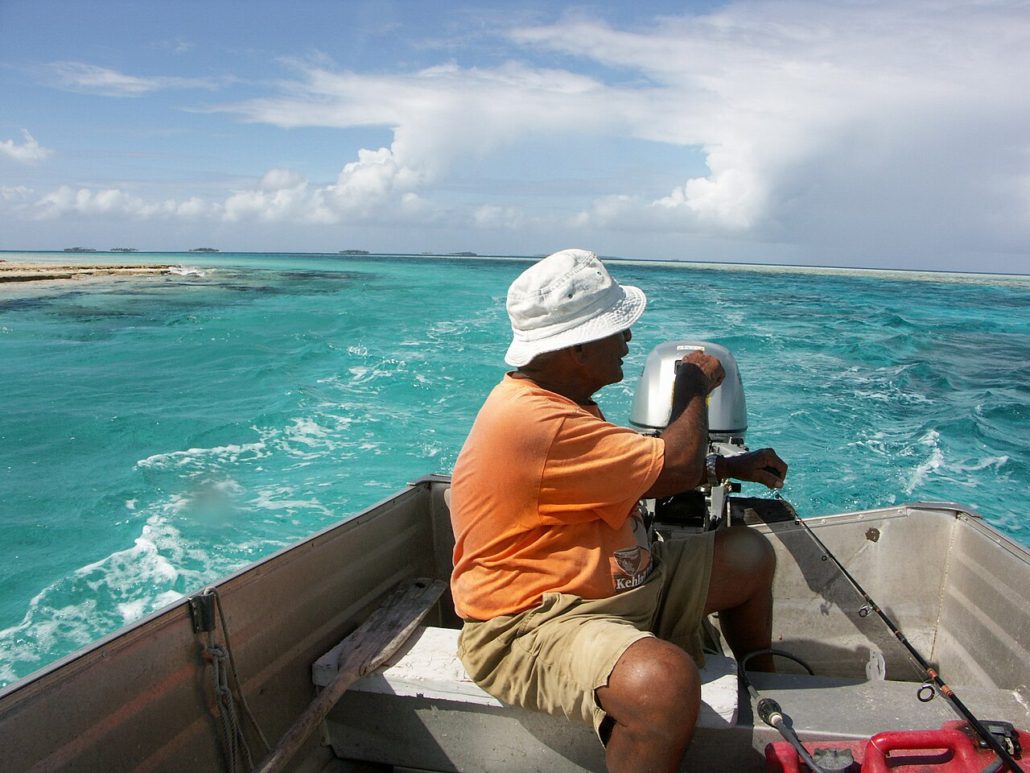 The Republic of the Marshall Islands faces significant challenges related to poverty, geographic isolation and climate vulnerability. For people with disabilities, these challenges often create additional barriers to education, employment and health care. Disability and poverty in the Marshall Islands remain closely connected, making it difficult for many individuals to achieve economic stability and independence.
Link Between Disability and Poverty
The Republic of the Marshall Islands consists of 29 coral atolls and five islands in the North Pacific and has a population of about 40,000 people. The country’s government has reaffirmed its commitment to protecting the rights of people with disabilities through policies that promote inclusion and equal opportunities.
A 2024 United Nations survey of 308 people with disabilities found that many continue to face significant barriers to employment and accessibility. About 85% of those surveyed were unemployed, with respondents citing inaccessible workplaces, limited workplace accommodations and discrimination by employers as major obstacles. The report also noted that noncommunicable diseases, particularly diabetes, have contributed to disabilities such as amputations and vision loss. In addition, the long-term effects of nuclear testing continue to affect some Marshallese, creating ongoing health challenges and highlighting the need for continued international support.
The government and local disability advocates have also worked to increase public awareness. In partnership with the College of Marshall Islands, the Disability Coordination Office and the Marshall Islands Disabled Persons Organization recently organized a community “wheel-a-thon” to promote disability inclusion and increase visibility for people with disabilities.
Barriers to Education and Employment
Education plays a critical role in reducing poverty. However, children with disabilities often encounter barriers that limit their participation in school. Some schools lack accessible infrastructure, while others have limited resources to support students in diverse learning needs.
Employment opportunities also remain limited. A 2024 survey of persons with disabilities in the Marshall Islands found that approximately 85% of respondents were unemployed. Respondents identified inaccessible workplaces, employer bias and a lack of accommodations as major obstacles to finding work.
Without access to education and employment opportunities, many people with disabilities remain dependent on family support or government assistance. This cycle can contribute to long-term poverty and social exclusion.
Government Efforts to Promote Inclusion
The Marshall Islands government has taken important steps to improve opportunities for people with disabilities. In 2015, the country enacted the Rights of Persons with Disabilities Act. The law promotes disability inclusive development and seeks to protect the rights of people with disabilities in areas such as education, employment and public services.
The government also established a Disability Coordination Office to help implement disability related policies and programs. Recent efforts have focused on improving accessibility, increasing participation in public life, and strengthening support services.
In 2025, the government expanded social protection initiatives through the Social Support Scheme Act. The program provides income support to elderly citizens and persons with disabilities, helping vulnerable populations meet basic needs. Eligible beneficiaries receive at least $1,200 annually through the program.
The Role of the Marshall Islands Disabled Persons Organization
The Marshall Islands Disabled Persons Organization (MIDPO) serves as a leading advocate for disability rights and inclusion. MIDPO works alongside government agencies and regional partners to improve accessibility and increase awareness of disability issues.
In 2025, MIDPO launched an accessibility bus funded through the Asian Development Bank’s COVID-19 Assistance Fund. The service helps people with disabilities travel to essential services, community events and other important destinations. Improved transportation can increase access to education, health care and employment opportunities.
MIDPO also participated in the Pacific Disability Forum’s “Growing Stronger Together” initiative, which strengthened the organization’s capacity to advocate for disability inclusive policies and programs.
Looking Ahead
Disability and poverty in the Marshall Islands remain interconnected challenges. Limited access to education, employment and essential services continues to affect many individuals with disabilities. However, government reforms, social support programs and the work of organizations such as MIDPO demonstrate meaningful progress.
By expanding inclusive education, improving accessibility and strengthening economic opportunities, the Marshall Islands can continue reducing poverty among people with disabilities. These efforts can help ensure that all citizens have the opportunity to participate fully in society and build more secure futures.
– Terrell Munford
Terrell is based in West Deptford, NJ, USA and focuses on Global Health and Politics for The Borgen Project.
Photo: Wikimedia Commons
