Addressing Elderly Poverty in Equatorial Guinea
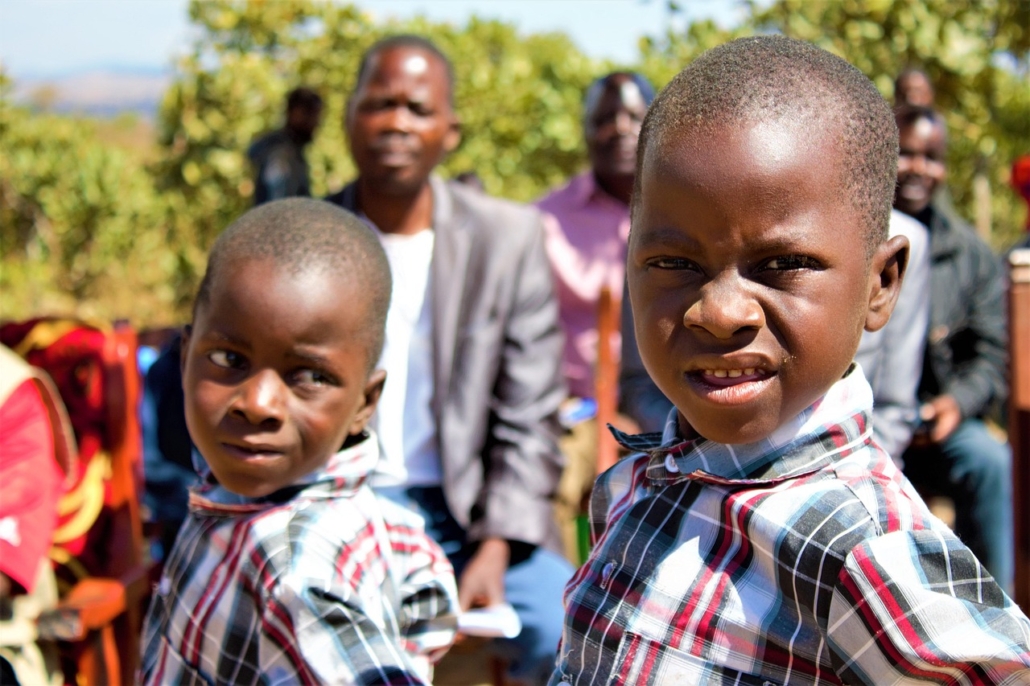 Elderly poverty in Equatorial Guinea has serious consequences. The World Bank reports that widespread poverty limits access to adequate food, health care and living conditions across the country. Older adults, who often lack stable income or social protection, are particularly vulnerable to these conditions, which can worsen health outcomes and reduce quality of life in old age.
Elderly Poverty in Equatorial Guinea
The elderly population individuals aged 65 or older accounts for an estimated 4.94% of the nation’s population, according to demographic data. While specific data on income levels and employment for older adults are limited, national poverty figures suggest that many senior citizens are vulnerable due to limited financial resources and low social nets.
Public spending on health, education and social protections remains low in Equatorial Guinea, at approximately 2% of GDP, which gives access to essential services for vulnerable groups, including older adults. This limited investment in public services can make it difficult for elderly citizens to secure regular income, manage health conditions or find a good amount of social support.
Access to health care remains limited for much of Equatorial Guinea’s population. According to the World Bank, the country continues to face challenges related to health system capacity and overall access to essential services. These limitations can be especially difficult for older adults, who are more likely to require ongoing medical care due to age- related health conditions.
Poverty can also limit access to adequate food and shelter. Reports on living conditions note that food insecurity and struggles to afford necessities affect many households in Equatorial Guinea. Older adults living in low income families may be particularly at risk, as they often depend on family members or community support to meet the basic needs.
Government Initiative: Social Assistance
To address the needs of vulnerable populations, the Ministry of Social affairs and Gender Equality launched an initiative in 2015 to establish social assistance centers for elderly citizens. These centers were designed to reduce social isolation by providing communal spaces where seniors do not lack in areas of social activities, basic health support and community services.
While these centers aim to improve the wellbeing of elderly adults, publicly available data on the number of individuals served and specific outcomes remain limited. Most centers are concentrated in urban areas, which may leave rural older adults without access to similar services.
In addition, inadequate social protection systems can place extra strain on families who care for elderly relatives while also trying to meet their own economic needs. Strengthening support for older citizens can help improve quality of life and reduce the long term effects of poverty in later life.
Conclusion
Elderly poverty in Equatorial Guinea reflects broader social and economic inequalities within the country. Despite oil wealth, limited investment in public services and social protection has left many older citizens vulnerable. Programs such as social assistance centers for elderly people, partnerships with international health agencies and efforts to improve food security represent steps toward improving conditions for vulnerable populations. However, sustained and expanded support is essential to ensuring that older adults can live with dignity, secure basic needs and participate fully in society.
– Nishanth Pothapragada
Nishanth is based in London, Ontario, Canada and focuses on Global Health for The Borgen Project.
Photo: Pixabay
