How Upcycling Plastic Feeds People in India
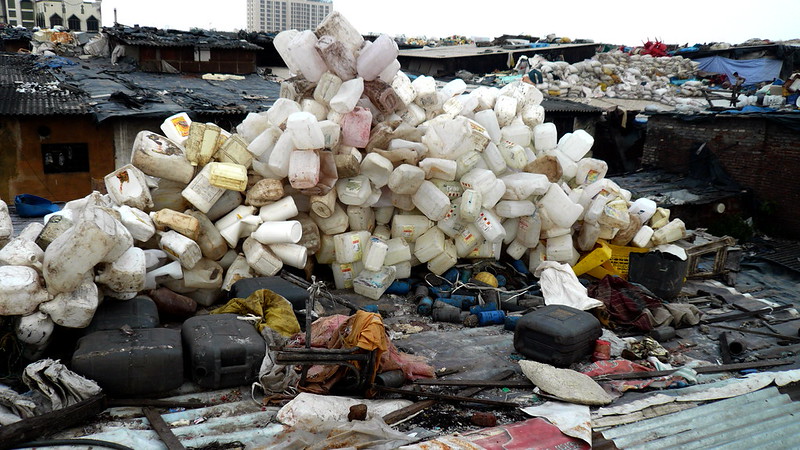 Hunger is a persistent issue in cities like Ambikapur, Central India, but the hungry population of India has been presented with a solution. In a population of people suffering from food insecurity, upcycling is a means of nourishing vulnerable populations. As of 2025, people in Ambikapur embrace upcycling by using plastic as a form of currency that is exchanged for food. The plastic material is recycled to make new products. From an economic standpoint, impoverished people go hungry because they have little to no income, so they do not have the means to purchase food. In an interview with the British Broadcasting Corporation (BBC), Rashmi Mondal shares how upcycling plastic addresses hunger: “I can get food for my family in exchange for the plastic I collect. It makes all the difference in our lives.”
Strategic Investment in Food Insecurity Initiatives
At the government level, the Ambikapur Municipal Corporation’s (AMC) sanitation budget allocated funds toward a service called the Garbage Café. In 2019, this café served as a vehicle for reducing excessive plastic waste and serving food to homeless people in the city of Ambikapur. Government intervention has reduced the level of plastic waste in the country.
Over the past decade, the government has focused its efforts on the high level of plastic waste, ultimately implementing programs that inspire change in communities. Ambikapur had 226 tons of plastic pollution in 2024. As of 2025, the city has recycled almost all plastic waste in the area. According to The Economic Times, 170 nations approved the international treaty to end plastic pollution in 2023, making progress at the international level.
Current Climate Toward Upcycling Plastic
Millions of citizens have participated in giving away recyclable items. Reduce, Reuse, Recycle (RRR) center initiatives include “The three-week campaign imaginatively named, ‘Meri LiFE, Mera Swachh Sheher,’ is marked by significant mass mobilization, including the youth, SHGs, NGOs, market bodies, RWAs, startups, voluntary groups and celebrities.” Both NGOs and businesses have effectively mobilized people to participate in tackling the excessive plastic waste in the subcontinent.
India successfully engages the homeless population to clean up the plastic waste in cities, creating a solution for two major problems: hunger and pollution. Hungry people in India eat hot meals in exchange for their plastic at places like the Garbage Café, which feeds more than 20 people per day. While upcycling plastic waste, including water bottles and bags, is recycled to make material for new roads or brought to plastic waste facilities. In turn, it makes government income.
Upcycling Plastics Initiatives in India
India prioritized the LiFE (Lifestyle for Environment) movement, which addresses sustainability, resource management and climate change. Similarly, Swachh Bharat made an impact by expanding public sanitation. “The natural and mutually beneficial nexus between SBM and mission LiFE is unmistakable. Both are anchored to RRR – reduce, reuse and recycle – to achieve their objectives: clean cities and sustainable development, while providing a mainstay to the circular economy.” The BBC reports that the Swachh Bharat Mission Urban has seen plastic in landfills reach two tons per year in 2024.
How Repurposing Plastic Cleans Up Communities
A variety of people from different backgrounds reduce their community pollution levels by bringing plastic waste to collection centers, while government organizations like the Garbage Café distribute upcycled plastic to be made into new products. Recycling efforts reduce plastic waste in cities and landfills, making local communities a cleaner place to live, and most importantly, preventing low-income populations from experiencing malnutrition.
Another by-product of these services is the creation of jobs in India. Collection centers employ hundreds of women to separate waste for processing. India is actively improving its environment by reducing plastic in landfills through controlled consumption, thus releasing lower amounts of waste into the disposal system. Environmental conditions in Indian communities improved with the addition of RRR centers, inspiring similar initiatives, including zero-waste events.
Since employees at collection centers manage waste without hygiene support, processing surplus plastic presents health and safety challenges to staff. Standard supplies are not enough to prevent health complications caused by exposure to toxic waste. Professor Minal Pathak observed that staff may come in direct contact with bacteria without standard protective gear.
The Ambikapur Mission City Level Federation emphasized the significance of the women’s work at the waste facility, stating, “The centers have collected and recycled approximately 50,000 tons of dry waste such as plastic, paper/cardboard, metals and e-waste since they began in 2016.” The state of Chhattisgarh scaled the process of upcycling plastic through door-to-door collection of discarded plastic materials throughout the state.
Looking Ahead
While efforts to eliminate plastic waste have created a positive chain of events, Siliguri in West Bengal, India, provides meals for people who bring plastic. Adding to the upcycling plastic trend, Mulugu in Telangana state trades rice for a kilogram of plastic, while state-funded organizations serve free breakfast. The expansion of upcycling plastic programs designed to supply food to people living in poverty has resulted in additional Garbage Cafés in New Delhi. When campaigns shift public perception, collaboration between private citizens, government and NGOs increases community engagement, pushing India closer to combating hunger and waste with its continued support.
– Lala McCullough
Lala is based in Brentwood, CA, USA and focuses on Good News for The Borgen Project.
Photo: Flickr
