The Impacts of The Smart Rwanda Master Plan
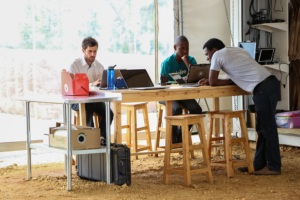 Rwanda continues to make remarkable progress in 2025 by advancing the Smart Rwanda Master Plan. It is a comprehensive national blueprint for the country’s transformation into a knowledge-based economy. This plan coordinates multiple initiatives in clean energy, digital connectivity, education, health and entrepreneurship. Smart Rwanda links urban innovation with rural development to reduce poverty and promote inclusive growth.
While Smart Rwanda serves as the strategic framework, ongoing projects such as the Digital Acceleration Project, Kigali Innovation City (KIC) and the Electricity Access Rollout Program (EARP) demonstrate how Rwanda operationalizes this vision to uplift rural communities and empower youth and women.
Bringing Power to Classrooms and Rural Villages
Through the EARP, Rwanda’s Ministry of Infrastructure aims to electrify nearly 1,000 rural primary schools with off-grid solar power systems by the end of 2025. These installations provide lighting, laptop charging and digital tools that extend study hours and improve learning outcomes in remote regions.
Through public-private partnerships, Rwanda also expanded solar mini-grids to more than 45 villages in the Bugesera District. MeshPower, a key stakeholder, delivers reliable electricity to households and small enterprises. Locals report that access to power has doubled family incomes and created jobs by enabling new economic activities like phone charging stations and tailoring shops.
Expanding Clean Cooking Solutions and Green Model Villages
In partnership with the United Nations Development Program (UNDP) and HomeBiogas, more than 500 Rwamagana and Ngoma Districts households installed biogas digesters. These convert organic waste into clean cooking fuel, reducing firewood use by about 80%. This improvement enhances indoor air quality, reduces respiratory illnesses and saves women and children hours previously spent collecting firewood.
Rwanda scaled its Green Model Village program by upgrading several villages with off-grid solar power systems. These provide reliable electricity and rainwater harvesting installations that ensure year-round clean water access. Furthermore, they provide improve sanitation facilities, eco-friendly toilets and newly built or renovated health posts offering essential medical services. These targeted improvements enable schools to extend learning hours with electricity, reduce waterborne diseases through better hygiene and create local jobs by supporting small-scale agriculture and clean energy enterprises.
Accelerating Electricity Access and Digital Transformation
Rwanda has rapidly increased electricity access from 6% in 2009 to 75% in 2024 through the EARP. The government leads this effort with strong institutional support from the Ministry of Infrastructure, Rwanda Energy Group and the Development Bank of Rwanda. With more than $1.4 billion in funding, around $750 million from the World Bank, the program combines grid and off-grid solutions to reach underserved areas. Performance contracts ensure accountability as Rwanda moves toward universal electricity access.
Rwanda’s $200 million Digital Acceleration Project, running from 2022 through 2026, further advances Smart Rwanda’s vision. By July 2025, the project reached 55% completion, expanding broadband infrastructure, improving digital public services and fostering innovation ecosystems. This initiative enhances connectivity in rural and urban areas, empowering citizens and businesses to participate in the digital economy.
Building KIC
KIC is a flagship Smart Rwanda project focused on transforming Rwanda into a regional technology and knowledge hub. In May 2024, the Government of Rwanda signed an implementation agreement with the Rwanda Development Board and Africa50 to accelerate KIC’s development. The 61-hectare smart city aims to host universities, research institutions, technology companies and innovation hubs, creating jobs and fostering entrepreneurship for young Rwandans.
Supporting Women and Youth
Smart Rwanda prioritizes gender equality and youth empowerment through targeted skills training and entrepreneurship programs. The World Bank’s $200 million Priority Skills for Growth and Youth Empowerment initiative benefits more than 200,000 young people. The initiative provides young women with market-ready skills and improves access to education.
Projects like Youth Entrepreneurship for the Future of Food and Agriculture generate thousands of jobs and increase female participation in economic activities, aligning closely with Smart Rwanda’s inclusive growth objectives.
A Scalable Model for Rural Development
The Smart Rwanda Master Plan unites infrastructure, digital innovation, energy, education, health and social services into one coordinated framework. The government collaborates closely with international partners, technology providers and communities to ensure that development benefits reach all citizens.
By advancing this master plan, Rwanda offers a replicable blueprint for other countries seeking sustainable and inclusive rural poverty reduction. The continued implementation of Smart Rwanda initiatives in 2025 shows that thoughtful planning and multi-sector collaboration can effectively combat poverty and foster long-term prosperity.
– Kelsey Eisen
Kelsey is based in San Francisco, CA, USA and focuses on Business and Technology for The Borgen Project.
Photo: Flickr
