Addressing Homelessness in Trinidad and Tobago
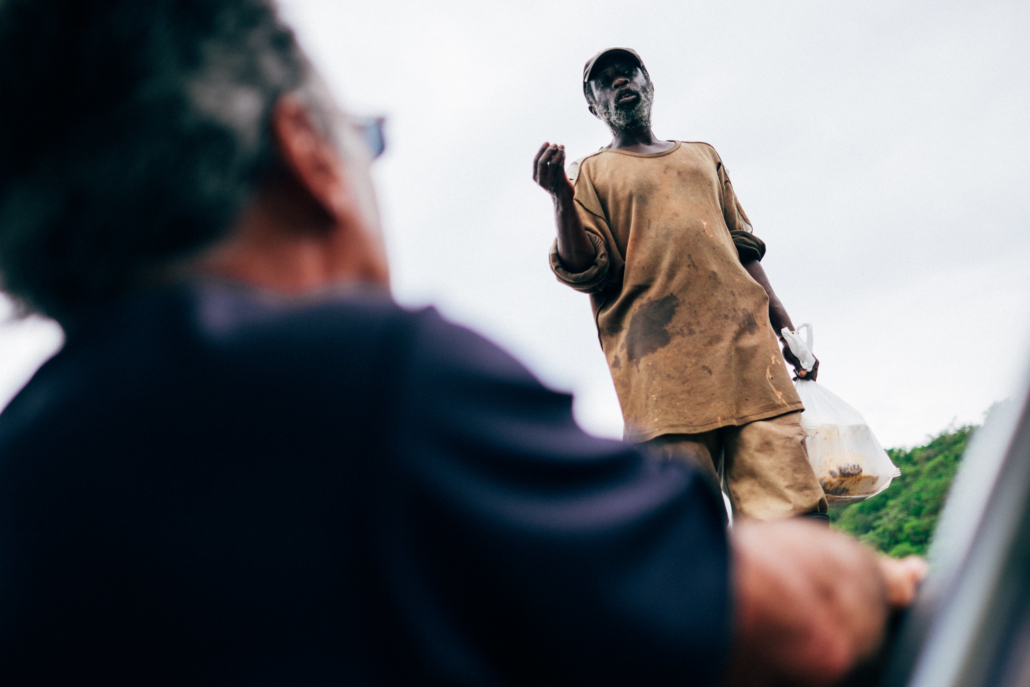
The Republic of Trinidad and Tobago, an island country of the southeastern West Indies and the southernmost island in the Caribbean, houses a population of roughly 1.39 million people. Amongst this number, 20% are classified to be below the poverty line, with more than one-seventh of the population living in 313 informal settlements or slums. With median house prices currently standing at around $192,000 USD according to the Inter-American Development Bank, and average monthly incomes being approximately $1,600, the lack of affordable homes, coupled with extensive waiting lists for subsidized housing, means that low income earners are prevented from homeownership altogether. As a consequence, homelessness is a common issue many face, with at least 676 socially displaced across the country according to Donna Cox, Minister of Social Development and Family Services.
This article will delve into the structural issues behind homelessness in Trinidad and Tobago, before moving onto the steps governments have taken to address, reduce and ultimately combat it moving forward.
Barriers to Tackling Homelessness in Trinidad and Tobago
While Trinidad and Tobago recognizes the concept of homelessness, there does not seem to be a legal definition of it, nor a fixed criteria in law set out to determine eligibility for programs and services. Formally referred to as “street dwellers” in reference to “persons found sleeping or preparing to sleep on the sidewalk and pavements of streets or on the ground of open plots of land adjoining a street,” homeless individuals are seemingly regarded as public nuisances, often being criminalized rather than offered relief and rehabilitation.
This was seen in action when C Melville of Trinidad and Tobago Newsday observed a teenager living in a bus shed within the Tacarigua area in June 2024. Upon calling the Ministry of Social Development for aid, she was unable to reach anybody, only coming to an automated response. No one provided an immediate solution to get the individual off the street, with suggestions that police should deal with the matter instead.
With the varying physical and mental health disorders that come both as a cause and result of homelessness, many urge for a more multidisciplinary approach that addresses the complexities of the socially displaced, ensuring that sufficient support is provided. This goes beyond basic material relief such as providing new clothes and meals for the homeless. Rather, there is encouragement to provide health check-ups and counseling alongside more basic efforts to better social well-being and ensure a more well rounded rehabilitation so that individuals can be reintegrated into society again.
Steps Moving Forward
According to the Socially Displaced Persons Act 2000, government services did not have the legislative power to remove individuals off the street, yet Parliament is now working on laws that will grant ministries and the police the legal backing to involuntarily remove the socially displaced. Currently, the approach towards dealing with the homeless in Trinidad and Tobago remains inhumane, with people simply reporting cases to police, and so it is common for individuals that are offered help to prefer to stay on the streets.
This proposed legislation, alongside other plans for state of the art facilities that will provide accommodation for street dwellers while they undergo individualized rehabilitation, is set to more directly address the social issue at hand. With Trinidad and Tobago Police Service (TTPS) Advisor Terrance Dick claiming that “we tried to remove people already and the court said we were going about it the wrong way,” these steps forward will deal with homelessness more intentionally.
There are greater efforts that are working towards addressing homelessness as well, with more organizations emerging to aid community development and expand local operations for affordable housing. For instance, nonprofits like Habitat for Humanity provide services from home construction to financial assistance, having served 355 families with direct housing solutions so far, and more than 1,800 people with credit management and construction training. The organization also focuses on providing education for high risk communities so that they are equipped with the skills needed for a sustainable future, ensuring wider community development.
Looking Ahead
Homelessness is becoming an increasing concern for the country due to the state’s affordable housing deficit and its low median incomes, yet governments are working towards offering the displaced more targeted solutions such as self assessments and bespoke rehabilitation which will aid in their reintegration to society. Looking ahead, Trinidad and Tobago’s government must continue to tackle the homelessness crisis with a more comprehensive, structured and humane approach that will carefully address the complexities and nuances of the socially displaced. Greater collaboration is also hoped to be seen between the state and public and private organizations to drive bigger impact and changes.
– Sophie Young
Sophie is based in Manchester, UK and focuses on Good News and Global Health for The Borgen Project.
Photo: Flickr
